Chest Physiotherapy in Gurgaon
Medically reviewed by Dr Riya Jain, BPT/MPT — Gold Medal Physiotherapy
Chest physiotherapy in Gurgaon at Gold Medal Physiotherapy helps people with COPD, asthma, bronchitis, pneumonia, post-COVID breathlessness, and pre/post-surgical recovery. We use airway clearance techniques, postural drainage, breathing exercises, and controlled coughing — and every plan is built around the individual, whether treatment happens in-clinic or at home.
Some days, breathing just feels like work. That tightness that sits on your chest from morning. The cough that keeps waking you up at night. Feeling wiped out after climbing one flight of stairs.
If that sounds familiar, you probably don’t need anyone explaining how lungs function. You need someone who can actually help.
At Gold Medal Physiotherapy, that’s what we’re here for. We see patients from across Gurgaon — people managing long-term COPD, recovering from a nasty bout of pneumonia, dealing with the tail end of COVID, or preparing for surgery. Whatever brought you in, the aim is the same: make breathing easier, help clear what’s built up, and get you back to doing the things breathlessness has been getting in the way of.
Here’s an honest look at what chest physiotherapy involves, who it’s right for, and what working with us actually looks like.
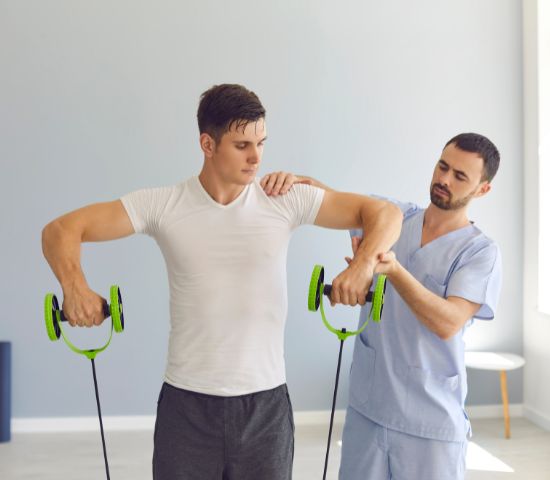
What Is Chest Physiotherapy?
Chest physiotherapy — also called respiratory physiotherapy — uses hands-on techniques and targeted exercises to help your lungs work more efficiently. The focus is on loosening mucus, clearing the airways, and building up the muscles that do the work of breathing.
It’s not a fixed protocol. When you come in, we listen to your lungs, look at how you breathe, check your posture, and spend time understanding your symptoms and history. Then we work out what your lungs actually need — and put a plan together from there.
Chest physiotherapy services are meant to work alongside whatever medication you’re on, not replace it. Think of it as the physical rehab side of lung health — the part that helps your body breathe more efficiently when inhalers and tablets can only go so far.
Conditions We Treat
At Gold Medal Physiotherapy, we help patients managing a range of respiratory and post-surgical conditions:
- COPD (Chronic Obstructive Pulmonary Disease): COPD physiotherapy treatment is about reducing breathlessness, helping you do more without getting winded, and building practical strategies for the harder days.
- Asthma: We focus on breathing control techniques that take the edge off attacks and make day-to-day breathing less exhausting.
- Bronchitis: When mucus keeps building up and just won’t shift, chest physiotherapy is often the most effective way to move it.
- Pneumonia: Recovering from a serious chest infection isn’t just about time — physiotherapy actively helps your lungs rebuild their capacity.
- Post-COVID recovery: Months of lingering breathlessness and fatigue after COVID-19 is something many patients are still dealing with. It’s real, it’s common, and it tends to respond well to the right treatment.
- Pre- and post-surgical chest conditions: Post-surgery chest physiotherapy matters both before an operation (getting your lungs as strong as possible going in) and after (preventing complications like pneumonia or restricted breathing while you’re recovering).
- Cystic fibrosis: Airway clearance is a daily necessity for people living with cystic fibrosis. We help build routines that are actually realistic to keep up with long-term.
Signs You May Need Chest Physiotherapy
Not every cough needs physiotherapy. But there are certain signs worth taking seriously rather than just waiting out:
- A cough that keeps coming back even with treatment
- Chest tightness or heaviness that doesn’t seem to shift
- Mucus you can’t clear on your own, no matter how much you try
- Getting short of breath doing ordinary things — walking to the car, going up the stairs
- Your energy or stamina has noticeably dropped since a chest illness or surgery
If any of that resonates, it’s worth getting a proper assessment rather than hoping things improve on their own.
How We Assess and Treat It
Your first session is mostly about building a clear picture. We listen to your lungs, watch how you breathe, look at how your chest moves, and ask a lot of questions about your symptoms, your history, and what’s been getting in the way of normal life. From there, we put a treatment plan together — one that combines different techniques and gets adjusted as your condition changes.
Airway clearance is usually the first priority when mucus is the main problem. We use manual techniques and specific breathing maneuvers to loosen what’s built up and help your body move it out. A lot of patients notice a real difference within the first couple of sessions — not cured, but clearer.
Postural drainage goes hand-in-hand with this. By positioning your body in particular ways, we use gravity to help drain mucus from different parts of the lung. It sounds simple, and it is — but for patients with chronic bronchitis or cystic fibrosis, it’s genuinely effective.
Breathing exercises feature in almost every plan we put together. These aren’t generic instructions — we teach techniques like diaphragmatic breathing and pursed-lip breathing based on your specific condition. For people with COPD or asthma, learning to breathe differently can seriously reduce how much energy it takes and how panicked breathlessness feels. For mucus-related conditions, we also teach controlled coughing — productive, efficient, and much less draining than the uncontrolled fits most patients are used to.
Pulmonary rehabilitation ties these pieces together for patients with longer-term conditions. Combined with structured exercise, it builds real lung capacity over time — not just keeping symptoms manageable, but actually improving how your lungs function day to day.
For anyone facing surgery, understanding post-surgery chest physiotherapy ahead of time is worthwhile. Prehab work gets your lungs as strong as possible before you go in. Post-surgery, when pain and limited movement can cause shallow breathing and mucus buildup, physiotherapy keeps things moving and significantly cuts the risk of complications.
What to Expect During Recovery
Recovery timelines vary a lot depending on what you’re dealing with. Many patients notice improved breathing and easier mucus clearance within a few sessions. For something like pneumonia, a few focused weeks of treatment often brings significant improvement. For chronic conditions like COPD or cystic fibrosis, it’s more about ongoing regular sessions that keep your lungs as functional and clear as possible.
We track your symptoms, stamina, and breathing throughout — and keep updating your plan as you progress. Most patients also leave with airway clearance techniques and exercises they can practice at home between sessions, which keeps the momentum going on the days you’re not with us.
Breathing Easier Starts With the Right Plan
Struggling to breathe affects everything — your sleep, your energy, your confidence, your ability to just get through the day. The encouraging thing is that with the right airway clearance techniques, proper breathing exercises, and a plan that’s actually built around your needs, most patients see meaningful, lasting improvement.
If you have a chronic lung ailment and are still recovering from COVID-19 or pneumonia or getting ready for surgery, chest physiotherapy in Gurgaon at Gold Medal Physiotherapy can assist. Book a session and we’ll begin with a thorough examination – a clear, honest look at what’s happening and what we can do about it.
-
What conditions does chest physiotherapy treat?
It covers a wide range — COPD, asthma, bronchitis, pneumonia, post-COVID complications, cystic fibrosis, and pre/post-surgical chest conditions — all focused on clearing mucus, improving lung function, and reducing breathlessness.
-
How often are chest physiotherapy sessions needed?
It depends on what's being treated — acute conditions like pneumonia may need a few focused weeks, while chronic conditions like COPD often benefit from regular ongoing sessions.
-
Is chest physiotherapy helpful after COVID or pneumonia?
Yes — chest physiotherapy helps clear lingering mucus, restore normal breathing patterns, and rebuild lung capacity after both COVID-19 and pneumonia.
-
Can chest physiotherapy be done at home?
Yes — techniques like postural drainage and breathing exercises can absolutely be done at home, once your physiotherapist has walked you through exactly how to do them safely.