Slipped Disc Physiotherapy at Home – Gold Medal Physiotherapy
The effects of a slipped disc may alter your routine in a number of ways. Even simple things such as sitting down, rising from bed and walking around could become painful. We at Gold Medal Physiotherapy know how difficult this condition can be. That’s why we provide expert home physiotherapy for slip disc at the location where you are most at ease: in your personal living space.
We aim to help heal without injury, decrease discomfort, and restore mobility without the hassle of travelling to a clinic. By implementing a customised treatment plan with one-on-one care, the recovery process becomes more comfortable, quicker, and more efficient, and comfortable.
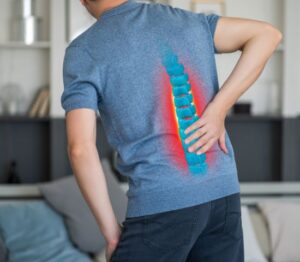
Why Opt for Slip Disc Treatment at Home?
A slipped disc requires careful handling, precise moves, and proper direction. The pain of travel can cause the problem to get more severe, and that’s the reason why many choose slip disc treatment at home. If you opt for home-based care is a choice of the comfort of privacy as well as a treatment program that’s designed specifically to meet your specific needs.
Your physiotherapist for slip disc at home works closely with you in order to decrease discomfort, ease muscles that are tight muscles, and slowly improve your spine. Each session focuses on long-term rehabilitation and not merely temporarily easing.
Specialised L4-L5 Slip Disc Physiotherapy at Home
The L4-L5 area of the spine is frequently affected by cases of slipped disc, which can result in the leg to stiffen, radiate, and the sensation of numbness. Our professionals specialise in L4-L5 slip disc physiotherapy at home and offer focused exercises that help to ease the pressure on the nerves that are affected.
Before beginning treatment, the physiotherapist evaluates the symptoms you are experiencing, examines your movement, and determines the cause behind the discomfort. After this, the personalised recovery program will be developed specifically for you.
What Our Home Physiotherapy for a Slipped Disc Includes
The treatment we provide is customised, as well as gentle and efficient. This could include:
- Therapy for relieving pain (TENS IFT, TENS therapy, ultrasound when required)
- The gentle manual treatment and the spine mobilisation
- Nerve decompression exercises
- The routines for strengthening the core and back
- Correction of posture and ergonomics
- Modifications to daily activities
Each treatment is crafted to provide you with the most effective slip disc pain relief physiotherapy at home that will allow you to progress steadily without strain.
Best Home Physiotherapist for Slipped Disc
Gold Medal Physiotherapy has been praised by families across the country due to the care we provide to patients. Our therapists are well-educated, have years of experience, and are known for their outcomes. When you pick our services, you’re selecting the best home physiotherapist for slip disc someone who’s committed to helping you heal.
If they attend regularly, many patients experience less discomfort, improved flexibility and increased muscle strength after several weeks.
Book Your Home Session Today
If the pain of a slipped disc hinders you from enjoying the way you want to and activities, we can help you recuperate safely and comfortably at your home. Call Gold Medal Physiotherapy to book an appointment. Take the first step to an improved, pain-free back.
-
What is the length of time slip disc rehabilitation takes at home?
Most patients notice improvements within 2 to 4 weeks based on their severity.
-
Do you think home-based physiotherapy is safe for the L4-L5 slipped disc?
Yes, absolutely safe, under the guidance of a certified physical therapist.
-
Do I require specific equipment for my home?
No Bed or mat will suffice. The therapist will supply the tools needed.
-
Is it possible to have a slipped disc repaired with surgical intervention?
In the majority of cases, it is possible. The physiotherapy method helps to treat and alleviate the symptoms by removing them symptoms naturally.
-
What is the best time to have a session?
Usually, three sessions a week are suggested in the beginning.