


Quality Treatment With Super Affordable Price
Best Physiotherapy Treatment India

Call us anytime
Write a mail
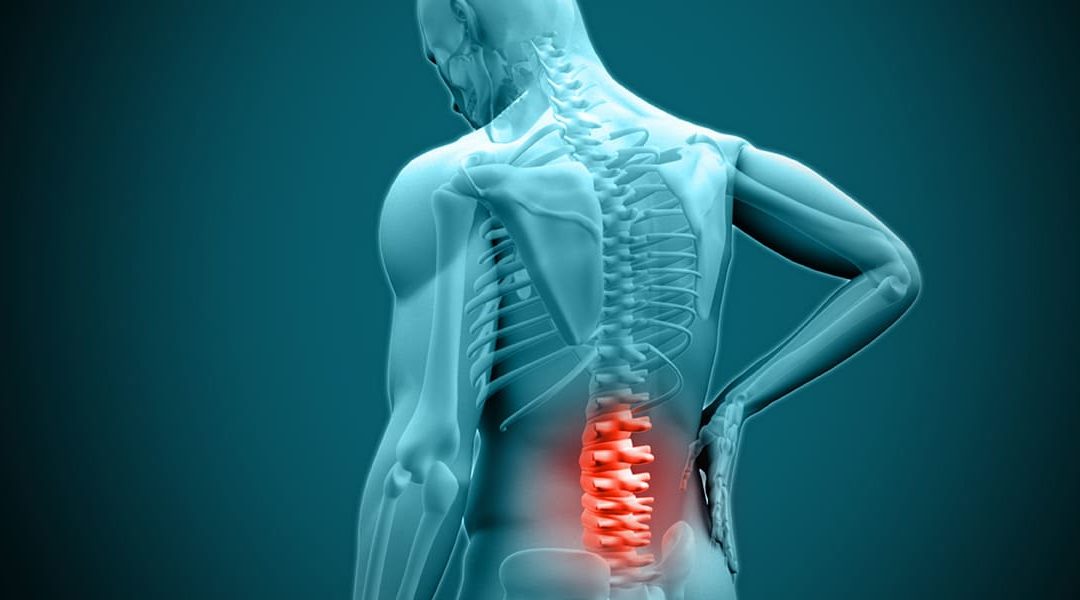
Dealing with a disc injury can be painful, uncomfortable, and often frustrating. Even simple activities—like sitting at your desk, bending to pick something up, or getting a good night’s sleep—can become challenging. A slipped disc happens when one of the soft cushions (discs) between the spinal bones shifts out of place and presses on nearby nerves. The result? Sharp or burning pain, numbness, and even weakness in your arms or legs. If you’re facing these symptoms, physical therapy can make a significant difference in your recovery. For patients in Gurgaon seeking trusted, high-quality care, Gold Medal Physiotherapy is known for helping individuals heal naturally and effectively. And for added convenience, we also offer Home physiotherapy in Sector 43, ensuring professional treatment right at your doorstep. Understanding Slipped Disk and the Signs It Carries The disc may not occur in the blink of an eye. It may be caused by working for a long time and poor posture, or lifting heavy loads incorrectly or even an abrupt jerk or an injury. Common signs include: If you notice any of these, don’t overlook them. The early intervention of physiotherapy can help reduce pain, stop any further injury, and accelerate the recovery process. A Personalised and Gentle Method In the Gold Medal Physiotherapy, you’re not simply another patient. Instead, you’re treated as an individual with special needs. The physiotherapists first learn about your medical history, your lifestyle and the specific pain points. With advanced diagnostic tools, they determine the nerve or disc in pain and the severity of the problem. On this basis, the doctors design a customised treatment program which could include electrical therapy, spinal mobilisation, stretching, strengthening exercises and posture adjustments. They are focused on the reduction of pain, enhancing mobility, and helping your body heal naturally, without any surgery or a heavy dose of medication. Modern Techniques that actually work Gold Medal Physiotherapy combines experience with the latest technology to guarantee the most effective and long-lasting effects. The treatments they offer typically include: The treatment of spinal decompression helps to reduce tension on nerves. Laser therapy and ultrasound therapy to decrease the pain and inflammation Core exercises for strengthening for improving the back’s stability The training of posture and ergonomics for preventing problems from returning The method is scientific and practical. Guarantees that each session will help to feel more confident and assured in your performance. Reliable Physiotherapists who Care What truly distinguishes Gold Medal Physiotherapy apart is the group of highly skilled and caring Therapists. They spend time explaining the condition of your body, lead you through each workout with patience and monitor your progress in a meticulous manner. The goal of their services isn’t just to alleviate your pain, but also to help you get back to living your regular life comfortably and safely. An Environment of Healing That Makes You Feel at Home The process of regaining a slipped disc is a lengthy process, so the presence of a friendly and supportive atmosphere makes a huge difference. Gold Medal Physiotherapy offers a welcoming, encouraging and comfy place that allows patients to feel safe each step. Therapists will celebrate the little successes and help you stay motivated through your journey to recovery. Conclusion If you’re looking for the best care for a disc injury, Gold Medal Physiotherapy in Gurgaon is a name you can trust. With advanced treatment techniques, personalised rehabilitation plans, and a team of experienced specialists, they help you heal naturally and regain full control over your body. Their approach ensures you can move freely, work comfortably, and live pain-free once again. For added convenience, they also offer Physiotherapy at Home in Sector 44, bringing expert care right to your doorstep. FAQs (FAQs)
Cervical spondylosis, also known as an ageing neck tear and wear is a problem that can turn an evening of rest difficult task. The one thing many people forget is the way they sleep. The position you sleep in can alleviate pain or make it more painful. Let’s look at the top postures to help keep your neck at ease throughout the evening. Back Sleeping: The Most Neck-Friendly PositionA lie on your back is generally the most secure choice for patients suffering from cervical spondylosis. It assists in keeping your spine and neck aligned, which reduces the pressure placed on discs as well as muscles.Back sleepers can benefit from these tips:Use a cervical pillow which supports the natural curvature of your neck. Don’t use pillows that are either too large or too rigid. They could push your head in a way that is not natural. A small cushion under your knees is a great way to help relieve back pain and help keep your spine in good shape. Side Sleeping: A Comfortable AlternativeIf lying on your back is uncomfortable, lying on your back could be beneficial, too. Your spine stays straight and is comfortable as well.Tips for sleepers who are side-sleeping:Make sure your head is aligned with your spine by using the help of a soft, medium-firm cushion.A cushion between your knees will help to keep your spine and hips straight.Do not get too tight while lying down because it may stress your shoulders and neck. Stomach Sleeping: Best to AvoidThe position of sleeping on your stomach is the most uncomfortable place to rest your neck. Your head is forced to rotate in one direction to put extra strain on the neck joint and muscles. If you have to sleep in this manner, choose an extremely thin pillow or a pillow that is not used at all as well and put a cushion under the pelvis to ease the strain. Try Adjustable SupportsIf you are experiencing extreme neck pain, consider an adjustable bed and wedge pillows. Lifting your body slightly will help reduce the stress on your cervical spine. It can also assist with breathing if you suffer from other sleep problems. Pick the Right Pillow MaterialThe pillows make more of an effect than you imagine. Cervical pillows or memory foam, which adapt around your neck, are the best choice. Do not use pillows with too much softness that allow your neck to sink excessively, which can make your neck pain even worse.The right way to sleep is a straightforward, easy method to treat cervical spondylosis. Combine it with mild neck exercises and physiotherapy to achieve optimal outcomes. To provide you with individualised guidance, Gold Medal Physiotherapy will create a program to suit the health of your neck. FAQsDoes changing my sleeping posture actually ease neck strain?Yes! A good sleeping posture reduces tension on your neck and helps reduce discomfort. What kind of pillow will work best?A middle-firm memory foam, or a cervical pillows that support the curve of your neck naturally. What can I do to stay on the right side of my body all night?Try to stay in your desired place, although small adjustments occur as is typical. Consistency is the key to success. Are side sleepers better than sleeping back?Back sleeping is the most popular choice, but sleeping on your side is an excellent alternative when you choose the appropriate assistance. Do you think that sleep alone can fix neck spondylitis?Sleep can help manage pain, but physical therapy is essential for neck well-being.
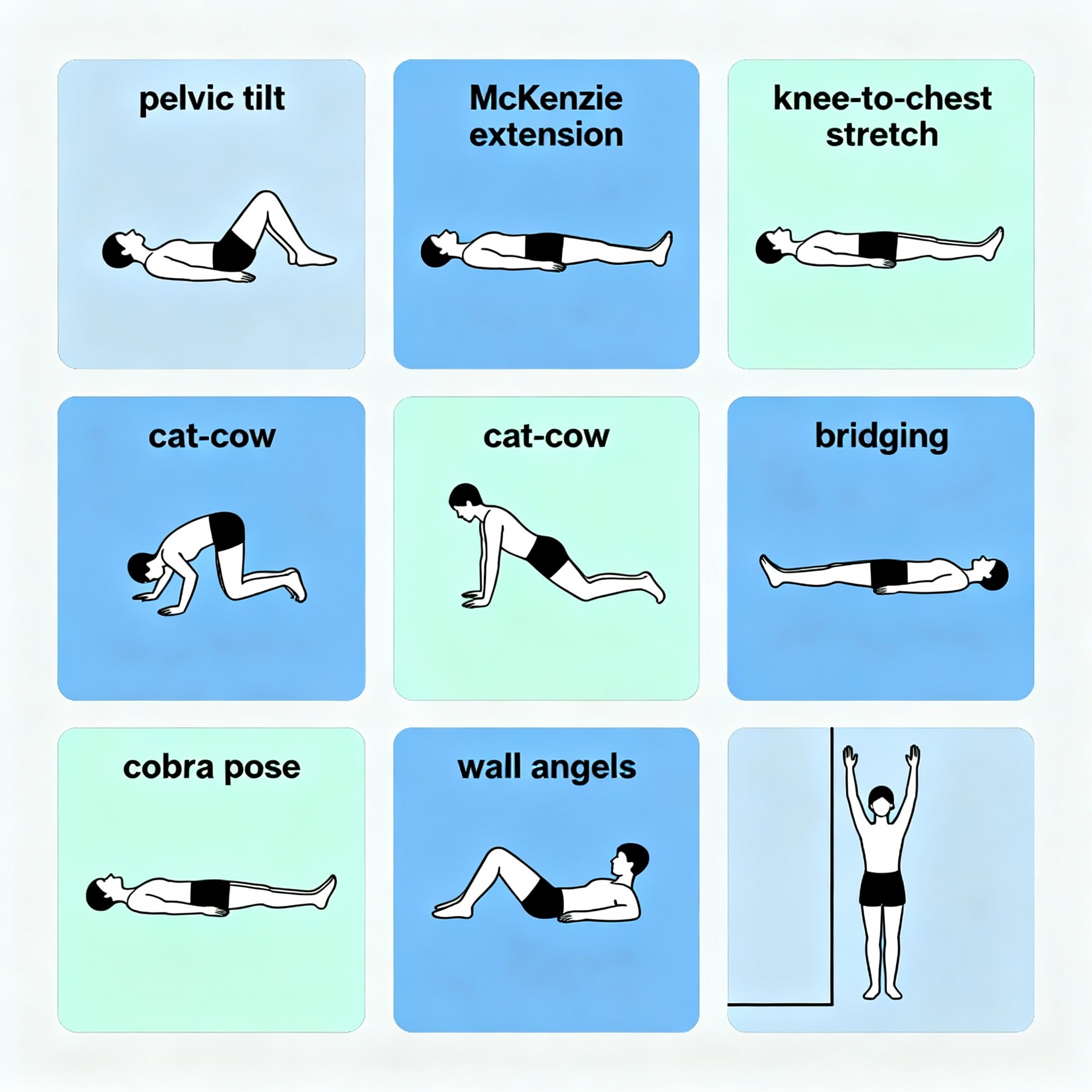
A disc injury could be a source of pain, frustration and can limit your day-to-day actions. If it’s creating painful lower back pain that is sharp as well as numbness and discomfort during sitting, walking or lifting weights, there’s a good chance that physical therapy exercises could make a big impact. Exercises that are done correctly can not only ease pain, but they also increase the flexibility of your spine and help prevent future injuries. Below are seven of the most beneficial physiotherapy exercises to help treat a damaged disc. 1. Pelvic Tilt – Strengthen Your Core Relax on your back and lie down with your knees bent and feet on the floor. Engage your abdominal muscles to tighten them, and then gently push your lower back to the floor. Keep it for 5-10 seconds and then release.This simple move strengthens your core muscles that can support your lower back and ease stress on the disc. 2. McKenzie Extension – Reduce Pressure on the Disc Lie on your stomach, and rest your elbows on your shoulders. Then slowly lift your upper body with your legs to the floor. Do this for several minutes before lying down.This exercise assists in removing the disc from the nerves, relieving the pain and increasing flexibility. 3. Knee-to-Chest Stretch – Ease Lower Back Tension Relax on your stomach and gently move one knee towards your chest, while keeping the other leg bent or straight. For about 15-20 seconds, before switching the sides.This stretch loosens muscles tight within your lower back. It aids in decompressing your spinal region. 4. Cat-Cow Stretch – Improve Flexibility Put your hands on your knees. Then, you can arch your back like a cat, and then lower your stomach in while raising your head up like the head of a cow. Repeat this 10 to 15 repetitions.It’s an easy way to increase spinal flexibility as well as ease stiffness. 5. Bridging Exercise – Strengthen Glutes and Back Lie on your back, with your knees bent. Lift your hips so that your body is in an even line from your knees to your shoulders. Keep it for a couple of minutes and then lower it gradually.Strong glutes and lower back muscles assist the spine and reduce tension on the disc. 6. Cobra Pose – Open Up the Back Lie on your stomach, and rest your palms on your shoulders. Keep your chest elevated while keeping your legs on the ground. Keep it for 10 to 15 minutes.This gentle forward bend relieves nerve pressure and improves posture as time passes. 7. Wall Angels – Improve Posture and Upper Back Strength Sit with your back against an object, with your elbows bent to 90 degrees. Then slowly move your arms upwards and down, like forming a snowman, while maintaining close to your wall.Wall Angels help strengthen the upper back muscles as well as improve posture, while decreasing the stress that will be placed on your spine. Takeaway The recovery process from slipped disc is a process that requires perseverance, persistence, and the right direction. Doing these exercises consistently under the supervision of a professional can ease pain, strengthen your back, and help prevent the possibility of future back pain. The staff at the Gold Medal Physiotherapy, the experts, create programmes to suit your particular condition by combining manual therapy with exercises and expert guidance to aid you in recovering faster and in a safe manner. FAQs Are the exercises in my home for me?Yes, however, you should get a physiotherapist’s help in order to make sure you’re doing the right thing as well as to prevent aggravating your health. What’s the average time for recovery typically take?It is different, however, most patients will see improvements in the course of 6-12 weeks after consistent physiotherapy. Do these exercises work for all discs that have slipped?Not necessarily. The exercises should be adapted based on the area and severity of the disc’s injury. Do I need to use cold or hot water after exercise?Ice can help reduce inflammation in the initial stages. On the other hand, heating relaxes muscles that are tight during recuperation.Does physiotherapy help prevent the occurrence of discs that have slipped discs?Yes. The strengthening of your core, improving the posture of your spine, and also maintaining condition can prevent the recurrence of disc injuries.


Quality Treatment With Super Affordable Price
Call us anytime