



Quality Treatment With Super Affordable Price
Best Physiotherapy Treatment India

Call us anytime
Write a mail
A frozen shoulder, which is medically referred to as adhesive capsulitis, is an extremely painful condition that reduces the range of motion within the shoulder joint. It usually develops slowly, and can progress through phases, from discomfort and stiffness, eventually regaining. The healing process may last for months or several years. Understanding Frozen Shoulder A frozen shoulder is in the region where connective tissue around the shoulder joint is overly thick and inflamed, which leads to pain and stiffness. It can result from an injury, surgery, or prolonged inactivity, or even underlying issues like thyroid diseases or diabetes. The most prominent symptoms are constant pain, a restricted range of motion, as well as difficulty with daily tasks such as lifting, reaching and even dressing. How Physiotherapy Helps Physical therapy is one of the most efficient non-invasive therapies to treat frozen shoulder; a physiotherapist can assess the level and severity of your problem and develop an individual treatment plan which focuses on pain relief as well as mobility in joints. Key Benefits of Frozen Shoulder Physiotherapy: Types of Physiotherapy Exercises The shoulder exercises that are frozen fall under three general categories: Regular home workouts and regular regimens as recommended by a certified physiotherapist could dramatically cut down recovery time. Why Early Intervention Matters The sooner you begin exercise, the higher your chance of not suffering chronic pain and stiffness. The delay in treatment could lead to permanent limitations that make rehabilitation harder and longer. If you’re suffering from shoulder pain or stiffness, Gold Medal Physiotherapy provides expert treatment specifically tailored to meet your demands. Their highly skilled staff employs advanced methods to assist patients in overcoming frozen shoulder and restore their flexibility, mobility as well and confidence. FAQs What is the time frame that frozen shoulder physiotherapy to be effective? Patients typically see improvements after a couple of weeks; however, full recovery can be 3-6 months, depending on the severity. Do physiotherapy sessions hurt to treat injured shoulders? There is a certain amount of discomfort that can be expected when stretching. However, treatment is managed carefully to prevent excessive discomfort. Do frozen shoulders heal with physiotherapy? Although it is possible that it will heal by itself but physiotherapy accelerates healing and reduces the risk of permanent stiffness. What are the things I should be aware of during recovery from frozen shoulder? Avoid sudden, heavy lifting or abrupt movements that are jerky; adhere to the directions of your therapist carefully. What is the best time to perform shoulder stiffness treatment exercises? Regular practice at home in conjunction with regularly scheduled sessions with a trainer is generally suggested for optimal results.
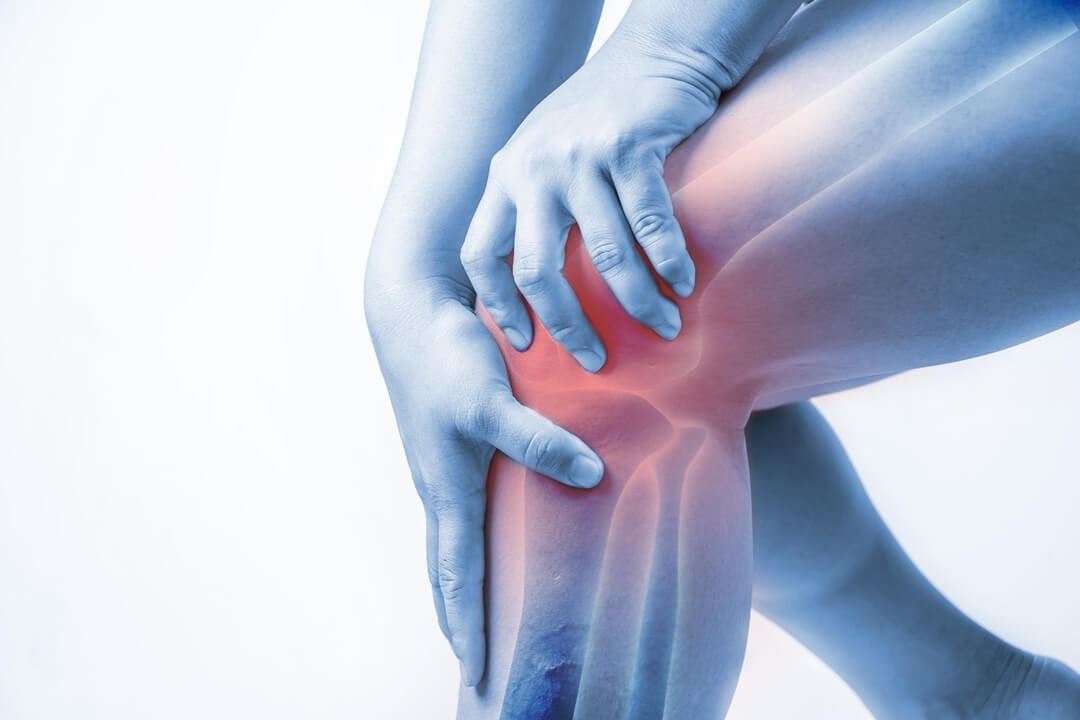
Knee pain is a typical condition that is experienced by everyone of any age, depending on the reason, such as an injury, age-related decline or other conditions such as arthritis. A highly efficient treatment that is non-invasive and effective in managing Knee pain physiotherapy. Physiotherapy that is guided for knee pain allows patients to regain their mobility, lessen inflammation and delay or avoid surgery. We’ll look at how physiotherapy can help and which exercises and therapies provide the most effective results. Why Physiotherapy for Knee Pain? The physiotherapy treatment addresses the root causes of knee pain instead of only masking the symptoms. An experienced physiotherapist evaluates the knee joint’s muscle power and patterns of movement for a personalised treatment program. If it’s an injury from sports recovery after surgery, post-surgery, or ageing-related wear and tear, physical therapy helps speed up recovery, ease stiffness, and enhance mobility. Effective Knee Strengthening Exercises The exercises for strengthening the knees are essential in improving joint stability and function. The muscles surrounding the knee that are strong, particularly those of the quadriceps, hamstrings and calf muscles, can help support the knee joint and lessen the strain on the joint. Some effective exercises include: These exercises should all be done under the supervision of a certified physiotherapist who will make sure that the correct posture and techniques are followed. Physio for Arthritis: Gentle Yet Effective In the case of people suffering from rheumatoid or osteoarthritis, therapy is a great option. The physiotherapy for arthritis is focused on exercises with low-impact, as well as pain-relieving methods and joint-protection strategies. Methods like the use of ultrasound, electrical stimulation or massage therapy are often utilised to alleviate discomfort and increase daily performance. Cold or heat therapy can be utilised to lessen the pain and stiffness of joints. Additionally, Functional training can be used to aid patients in completing everyday tasks easier such as climbing steps to standing, or sitting with ease. Lifestyle Modifications and Support In addition to knee pain, therapy, making changes to your lifestyle, including weight management, as well as avoiding strenuous activities and making use of assistive devices as required, can improve the results of treatment. A physiotherapist will guide the patient through posture and motion modifications that can prevent flare-ups from happening again. In Gold Medal Physiotherapy, we specialize in custom knee pain management plans as well as arthritis management and rehabilitation after injury. Our highly skilled physiotherapists utilise sophisticated techniques and customised exercise plans to allow you to recover more quickly and perform better. FAQs What can cause the chronic knee pain? Chronic knee pain can be caused by injury as well as arthritis, repetitive use or joint degeneration caused by old age. How long will it take physiotherapy sessions to ease knee discomfort? The relief may start within several sessions; however, continuous treatment of 4 to 6 weeks is generally required to see significant improvements. Do physiotherapy treatments help you avoid knee surgeries? In many instances, it is possible to reduce symptoms to slow or even avoid the necessity for surgery. Does physiotherapy pose a risk to people suffering from an arthritis condition? Absolutely. Physical therapy offers gentle, low-impact treatment that is ideal for those who are elderly. What do I need to wear for a physiotherapy session? Choose loose, comfortable clothing that allows for easy movement as well as access to your knee joint to treat.
As we get older, falling risk is a significant concern, particularly for older people who suffer from weaker muscles, slow reaction times, and balance issues. One fall could cause serious injuries, including hip fractures, head trauma, or the loss of independence. The good news is that physiotherapy for senior citizens can be a reliable and safe method to increase stability and reduce the risk of falling. Why Seniors Lose Balance As we age, our bodies are subject to natural changes, such as joint stiffness, muscles becoming weak as well and unbalanced posture. Ailments like arthritis or diabetes, Parkinson’s disease and poor sight could further impact flexibility and balance. Furthermore, the absence of exercise can cause a decline in control and self-confidence, which can make daily tasks a risk. Role of Fall prevention physiotherapy Physical therapy plays an important role in enhancing strength, stability and self-confidence among people who are older people. A physiotherapist trained in the art of assessment assesses a person’s physical health and develops a plan to include strengthening exercises for balance and gait adjustment. This comprehensive approach focuses on the physical and mental elements of preventing falls. Key Benefits of Physiotherapy for Seniors: Types of Balance Exercises Often Recommended: If you or your family member is struggling with unsteadiness frequent falling, or is afraid of falling, you need to talk with an experienced physical therapist. A timely intervention could dramatically decrease the risk of falling and enhance your quality of life. Gold Medal Physiotherapy will help seniors to lead active, safe and independent lives. Through individualised programs for fall prevention and physiotherapy, as well as caring care, they help seniors get back in balance mentally and physically. FAQs What exactly is fall prevention exercise physiotherapy? The physiotherapy for fall prevention includes exercises as well as strategies for improving the coordination and balance of your body, as well as strength, in order to lower the likelihood of falling. How often should senior citizens exercise balance? Ideally, the balance exercise should be practised 3-5 times a week with professional supervision to achieve maximum results. Do physiotherapy treatments help in the event of a fall that is already occurring? Yes, physiotherapy can help people recover their strength, mobility and self-assurance after falling, and helps prevent recurrence of accidents. Does physiotherapy pose a risk to extremely old people? Absolutely. Every exercise is tailored to each person’s abilities, making sure safety is maintained and steady progress. How do I begin exercising for an elderly relative in my family? Consult a reliable clinic such as Gold Medal Physiotherapy, where professional therapists offer individualised assessment and treatment plans.


Quality Treatment With Super Affordable Price
Call us anytime