

Quality Treatment With Super Affordable Price
Best Physiotherapy Treatment India

Call us anytime
Write a mail
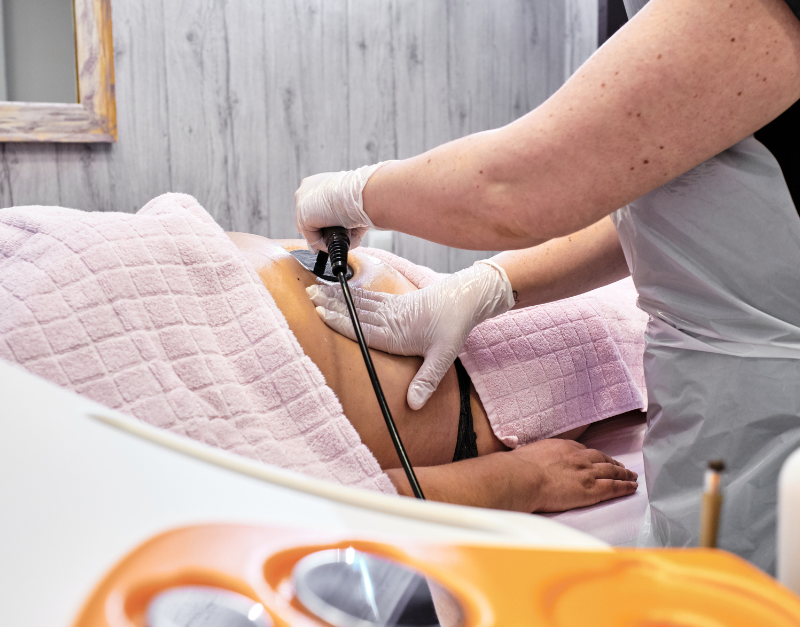
If you’re suffering from deep-seated muscle aches, persistent joint stiffness, or a chronic sports injury, standard heat packs usually don’t solve the problem. They can warm your skin; however, it’s rare for the heat to reach the root of the issue. This is precisely the place where shortwave diathermy (SWD) steps in. The foundation of the most advanced therapy, SWD is designed to penetrate the outer layers of your skin to deliver targeted, soothing relief where you need it most. Let’s look into the workings of this technique and what it can do to provide the missing piece of the healing puzzle. The Science Behind High-Frequency Electromagnetic Energy What is the best way to make an instrument warm deeply seated tissues, without burning skin? The key is in high-frequency electromagnetic energy. Deep heating can do amazing things to heal an injury. The blood vessels are expanded and flood the area with oxygen and nutrients. It also increases the local metabolism as well as makes the collagen fibres more stretchy and flexible. Continuous Shortwave Diathermy (CSWD) Vs Pulsed Shortwave Diathermy (PSWD) They come in a variety of shapes and levels, and that’s why the physiotherapists aren’t using a standard method. Depending on the type of injury the body’s going through, the physiotherapist will choose between two different methods: Continuous Shortwave Diathermy (CSWD) Pulsed Shortwave Diathermy (PSWD) Delivery of Therapy: The Capacitive Method and the Inductive Method If you are arranging the procedure, a professional must choose the best method to deliver this high-frequency electromagnetic energy into your body. The answer is the capacitive method and the inductive method. The inductive method: Feel the benefits of advanced healing with Gold Medal Physiotherapy Navigating the technicalities of shortwave diathermy–whether this means selecting the continuous shortwave diathermy (CSWD) over pulsed shortwave diathermy (PSWD), or using an inductive or capacitive method. The inductive method takes real clinical knowledge. We at Gold Medal Physiotherapy will take the guesswork out of the process of recovering. We will assess the specific discomfort and design your SWD program that is in perfect alignment with the body’s healing timetable. Don’t live with constant pain; be in control of your healing. Contact Gold Medal Physiotherapy now to set up a consultation and feel the deep healing relief of shortwave diathermy that is performed by professionals! Patients looking for Physiotherapy Near Me in Gurgaon can benefit from Shortwave Diathermy (SWD) therapy at Gold Medal Physiotherapy for pain relief, muscle relaxation and faster rehabilitation. What is Shortwave Diathermy in Physiotherapy? Okay, so imagine a heating pad that actually reaches deep into your sore muscles and joints—not just the surface. Shortwave Diathermy does exactly that, using safe electromagnetic waves to gently warm up stiff, angry tissues from the inside out, so they can finally relax and start healing. What Are the Benefits of SWD Therapy? Honestly, it’s a lifesaver for those deep, dull aches that just won’t budge. It calms down inflammation, loosens up tight, grumpy joints, and leaves you feeling way more mobile and comfortable—especially if you’ve been dealing with arthritis or old injuries that flare up all the time. Is Shortwave Diathermy Safe? Yes, totally—when it’s done by someone who knows their stuff. But we’re always upfront about it: if you’ve got a pacemaker, metal pins, or are expecting a baby, we won’t go near it. Better safe than sorry, right? FAQs
Muscle stiffness is a common condition that affects people of all ages. It is characterized by tightness and difficulty moving, especially after periods of rest. While it normally goes away on its own, prolonged stiffness may be an indication of underlying concerns that need to be addressed. In this blog, we’ll look at the causes, risk factors, preventative measures, and treatment choices for muscular stiffness. The physiotherapy treatment for muscle stiffness is very affordable in Gurgaon at Gold Medal Physiptherapy, you should check it out. Causes of Muscle Stiffness: Unraveling the Knots Muscle stiffness can be caused by a variety of circumstances, including exercise, physical exertion, or even chronic inactivity. Sprains and strains are common culprits, producing pain that can be relieved with home treatments and stretching. Some disorders, however, need extra attention. This illness, which is more common in those over the age of 70, can cause stiffness, particularly in the upper torso, shoulders, neck, arms, and hips. Both disorders are associated with chronic weariness and muscular discomfort, both of which contribute to stiffness. A variety of external sources, such as bug bites, illnesses, or exposure to excessive heat or cold, can cause muscle stiffness. Serious bacterial infections, such as tetanus and meningitis, can cause muscular stiffness, along with other concerning symptoms such as trouble swallowing or a stiff neck. Identifying Risk Factors: Who’s Prone to Muscle Stiffness? Infants, young children, and anyone over the age of 65 are at a higher risk of experiencing muscular stiffness. Along with it, heavy alcohol intake, and illnesses such as hypothyroidism can all increase the likelihood of having muscular stiffness and cramps. Preventive Measures: Taking Strides Towards Flexibility Maintaining a healthy lifestyle can help avoid muscular stiffness. Here are some muscle stiffness preventative steps to think about: To reduce unneeded muscular strain, make sure your furniture at home and work promote healthy posture. To counteract stiffness, incorporate breaks within your regimen. To keep your muscles supple, stand up, stretch, and go for brief walks. Stay hydrated and eat a well-balanced diet high in calcium and magnesium for maximum muscular health. When to Seek Medical Help: Warning Signs to Look Out For While muscular stiffness is usually harmless, certain symptoms need medical attention. If the stiffness persists or is accompanied by fever, acute weakness, edema, or discomfort, seek immediate medical attention. These symptoms may signal an underlying illness that needs a comprehensive examination. Treatment Overview: Unraveling the Knots Seeking medical treatment while experiencing recurrent muscular stiffness is critical. To determine the core reason, your doctor will do a thorough examination, which may include blood tests, X-rays, or scans. The diagnosis determines treatment and may include anti-inflammatory drugs to relieve discomfort. Gold Medal Physiotherapy Home Treatments: Soothing Stiff Muscles Naturally Gold Medal Physiotherapy Home treatments might be beneficial in mild situations. Common practices include rest, massage, and the administration of heat or cold. Heat may be better for tight muscles, although cold might help reduce swelling and inflammation. Stretching on a regular basis, warm baths, and focused massages can all help with muscular flexibility and general comfort. Gold Medal Physiotherapy Treatments: A Guided Approach to Flexibility Physiotherapy is an effective treatment option for both muscle and joint discomfort. Gold Medal Physiotherapists can improve joint range of motion, muscle length, and discomfort and give self-management skills through exams, recommendations, and tailored treatments. Joint mobilization, range of motion exercises, and acupuncture can all be used to relieve stiffness successfully. To summarise, understanding muscular stiffness entails identifying its causes, identifying risk factors, and implementing preventive measures. While many instances may be treated by physiotherapy at home, persistent or severe symptoms necessitate expert care. Individuals should aim for flexibility and general well-being by taking a proactive approach to muscle health, including frequent exercise, eating a balanced diet, and getting timely medical care when necessary. FAQs Muscle stiffness can be caused by a variety of medical disorders. Mentioned here SPS is a rare neurological condition characterised by growing muscular stiffness and repeated painful spasms. Muscle stiffness can also develop when muscles are overused. Is muscular stiffness a cause for concern? Stiffness is visible when muscles are tight, difficult to move, and produce discomfort. This is frequently accompanied by cramping and pain, but simple treatments can quickly relieve the discomfort. Which vitamins are helpful for reducing muscular stiffness? Incorporating vitamins B12, C, and D into your diet can help prevent and relieve muscular stiffness.
Understanding Crepitus: The Cracking Sound in Joints and Its Management Have you ever heard a popping or cracking sound coming from your joints? Crepitus is a somewhat frequent and often innocuous occurrence. Understanding its origins, preventive actions, and when to seek medical care, on the other hand, is critical for sustaining joint health. In this article, we’ll look at the complexities of crepitus, look into its probable causes, and talk about preventive measures and physiotherapy treatments at affordable cost. What is Crepitus? Crepitus, often known as joint cracking, is an audible or tactile sound caused by tissues rubbing together unnaturally during joint movement. Contact with air, fluid, or bone can cause this. A rough surface of a joint rubbing together, for example, might produce a popping or cracking sound. Air escaping from the sinuses can also contribute to this condition, especially in the event of facial bone fractures. Causes of Joint Cracking While the majority of crepitus occurrences are innocuous, some varieties may signal underlying problems. The following are some of the most common causes of Joint Cracking: Harmless popping happens when air penetrates the soft tissues around a joint, and the bubbles burst as the joint moves. Tendon or ligament breaking over bony bones can induce discomfort and crepitus. Crepitus can be caused by osteoarthritis or rheumatoid arthritis, which causes deterioration of the articular cartilage of a joint. PFS, often known as runner’s knee, is characterised by crepitus and soreness below the kneecap that is frequently exacerbated by increased activity levels. Sports injuries, falls, and accidents can all produce cartilage rips, which can lead to severe crepitus. Preventive Measures for Joint Cracking Prevention is essential for sustaining joint health. Consider the following precautions: If crepitus occurs while exercising, adapt rather than discontinue the activity. Avoid running on inclines or slopes, for example. When riding a bicycle, keep the pedal tension low to prevent joint stress. Concentrate on the quadriceps or hamstring muscle groups during weightlifting. Lift lower weights and do more repetitions as it will create tension in your muscles. Wear shoes that are supportive and cushioning for your joints. Warm up before exercise and stretch afterwards to improve joint flexibility. A healthy body weight decreases knee stress, resulting in better joint health. Walking and swimming are great exercises for strengthening leg muscles and improving knee health. When to Seek Medical Help Seeking medical treatment is crucial if crepitus is accompanied by pain, oedema, or periods of joint catching or locking. Crepitus that continues or worsens, particularly when accompanied by additional symptoms such as redness, numbness, or weakness, should be checked by a physician. X-rays and MRIs can help doctors diagnose arthritis and soft tissue injuries. Physiotherapy Treatment At home for Joint Cracking at Affordable Cost As skilled healthcare practitioners, physiotherapists play an important role in examining joint disorders. If your clicking joints are accompanied by pain, stiffness, swelling, or heat, a physiotherapy evaluation can help. You can also check out cracking joint physiotherapy treatment at home. Among the treatment options available are: Electrical stimulation is used to relieve pain and promote recovery. Tiny needles are used to stimulate particular locations to decrease pain and inflammation. Exercises designed to increase joint flexibility. Exercises are designed to strengthen the muscles that support the afflicted joint. Individuals are being educated on how to handle and prevent future problems. Exercises that promote proprioception are used to improve joint stability. Understanding crepitus and its various causes is critical for joint health maintenance. While many incidences of joint cracking are unimportant, persistent or painful, crepitus should not be overlooked. Individuals can address any underlying concerns by taking preventative actions and obtaining prompt medical care. Gold Medal Physiotherapy, with its wide range of effective treatments, may play a critical role in controlling and preventing joint cracking, assuring long-term joint health. FAQs What causes an excess of joint popping? Joint popping can be caused by a variety of events, such as ligament stretching and releasing or the compression of nitrogen bubbles inside joint spaces. Which vitamins can help with joint cracking? This is addressed by a number of helpful substances. MSM, Glucosamine, Chondroitin, Tamarind seed, and other supplements are examples. What do these cases of joint cracking imply? In the early stages of illnesses such as bursitis, tendinitis, or arthritis, painful joint cracking or popping is a key symptom.


Quality Treatment With Super Affordable Price
Call us anytime