

Quality Treatment With Super Affordable Price
Best Physiotherapy Treatment India

Call us anytime
Write a mail
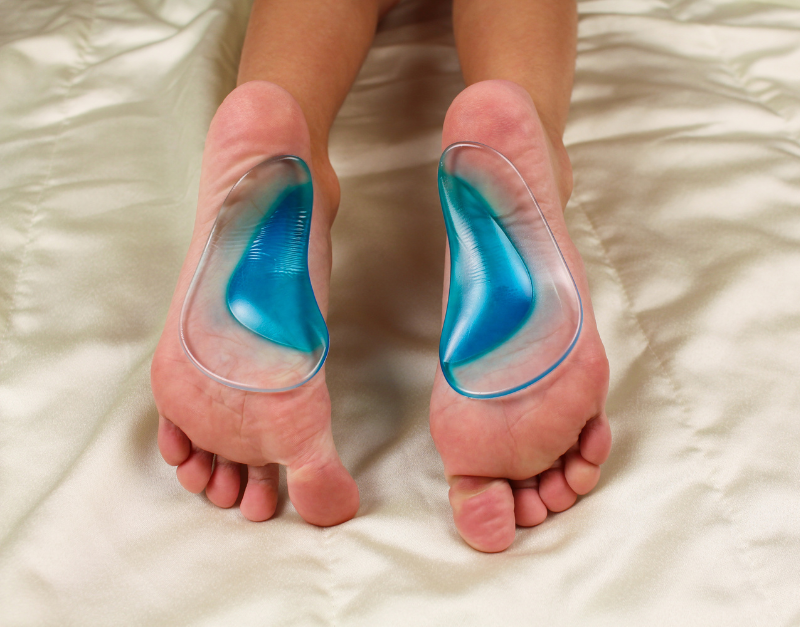
How To Cure Clubfoot Or Congenital Talipes Equinovarus Or Ctev? Congenital talipes equinovarus, often known as clubfoot, is a foot abnormality in which the toes point down and the foot is twisted inward. Every year, it affects around one in every 1,000 infants globally. Males are more prone to it. Clubfoot can affect either one or both feet; it affects both feet in 60% to 70% of afflicted children. This disorder can run in families so make sure you are gettinng best treatment of Congenital Talipes Equinovarus at home. If one child in the family has a club foot, the chances of another child developing the ailment rise to 10%. What is clubfoot? Clubfoot is a congenital abnormality that causes your baby’s foot or feet to curve inward. When you look at their foot, you’ll see that the bottom commonly looks sideways or above. Talipes equinovarus is another name for club foot. Clubfoot is a common congenital disease (existing from birth). Clubfoot affects around one in every 1,000 infants. Clubfoot is caused by a problem with your child’s tendons, which are the structures that link muscle to bone. Your baby’s leg and foot tendons are shorter and tighter than they should be. As a result, the foot twists. Half of all newborns with clubfoot have problems with both feet. What are the symptoms of clubfoot? One or both feet twisting inward is the most typical indication of clubfoot. The foot of your baby is facing the opposite leg. You may also observe that they have a: What causes clubfoot? The precise cause of clubfoot is unknown. It’s most likely a result of both genetics and environment: How does clubfoot affect my baby? Your baby’s clubfoot is not painful. Many newborns will not even detect it during the first several months of life. However, clubfoot will make standing and walking easier. Babies with clubfoot require therapy to repair the condition before they can walk. Untreated clubfoot can result in: When and how is clubfoot diagnosed? When you get an ultrasound during pregnancy, your healthcare professional may find clubfoot. A prenatal ultrasound visualizes the growing fetus. If your provider diagnoses clubfoot during pregnancy, you can begin planning for your child’s postnatal care. Your provider may also diagnose clubfoot after your kid is born. It’s commonly discovered during one of your baby’s initial physical checkups. Sometimes, your doctor may advise you to get an X-ray to confirm the diagnosis. Treatment and Prevention The treatment objective is to make a club foot useful, painless, and stable, particularly for walking. A pediatric orthopedic surgeon familiar with this issue is usually the best person to treat it. Non-surgical therapy involves moving the foot into the proper posture and securing it with a cast. It is usually done quickly after the baby is born. The model is worn from the toes to the groin and changed weekly until the deformity has been corrected sufficiently. To rectify the deformation, the Achilles tendon is frequently released. This treatment will be evaluated regularly by your doctor. In most situations, the efficacy of the treatment is seen within 6 to 8 weeks. An X-ray can also confirm it. When performed by a qualified clinician, this procedure is successful in around 90% of children with clubfoot. It might be necessary to wear special shoes or a brace to stop the muscles from yanking the foot back into the clubbed position. These can be used until the youngster is about two or three years old. Surgery may be undertaken to fix the faulty tendons, ligaments, and joints. It may also include repositioning tendons for optimal function. Fortunately, surgery to treat the club foot (apart from the primary release of the Achilles tendon) is uncommon nowadays. The operation necessitates a two to three-day hospital stay. A cast is inserted following surgery to keep the foot in the proper posture for 10 to 12 weeks. Following the form, a splint is worn throughout the day. When the youngster begins to walk, the sling is progressively removed. There needs to be an explicit agreement on when to operate or which procedure to do. Most orthopedic surgeons prefer to work on children when they are six months old. However, some prefer to wait until they are nine months old. If the kid’s bone abnormalities persist, surgery, such as osteotomy (cutting the bone) or arthrodesis (fusing and stabilizing the bones), may be necessary when the child is older. Not all youngsters require many operations. Physiotherapy is sometimes a crucial aspect of the therapeutic plan. It might start as soon as the infant is three months old. The therapist manipulates and may tape the afflicted foot. If you are searching for the best physiotherapist in Gurgaon then you should check out Gold Medal Physiotherapy.
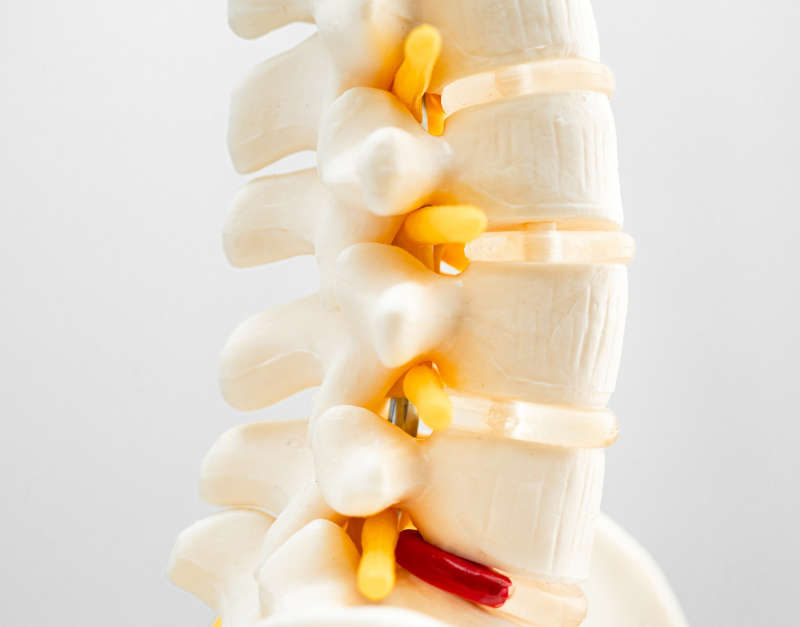
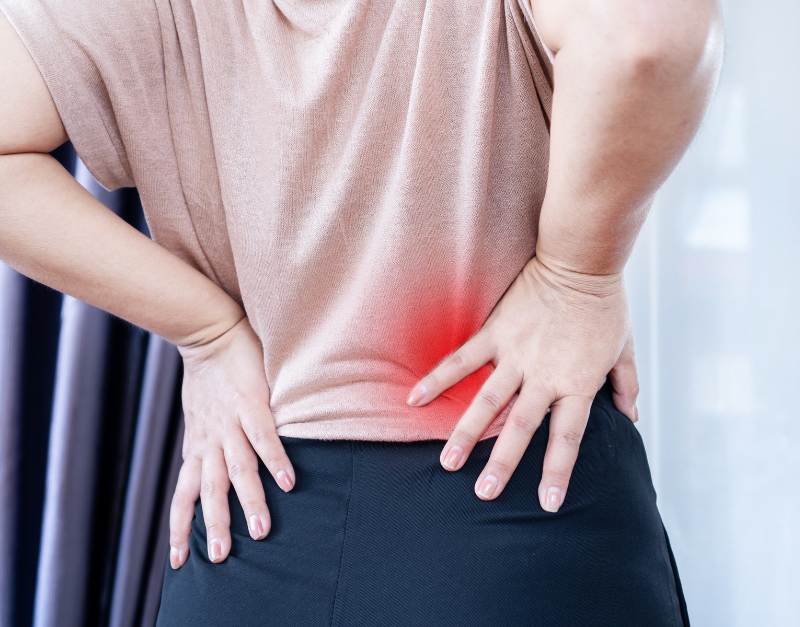
A herniated disc is a frequent spine problem that produces pain and other symptoms. It happens when a gel-like material bulges from a spinal disc, compressing adjacent nerves. This disorder is also known as a slipping disc and, in some instances, a prolapsed disc. Most herniated discs in Gurgaon may be resolved with rest and recovery as the initial therapy. Herniated Disk Or Slipped Disc Causes and risk factors Discs are formed of a robust outer shell with a gel-like center between your spinal column’s bones (vertebrae). The gel in the discs allows the spine to bend and flex while also acting as a shock absorber between the vertebrae. The discs grow less flexible and stiffen as we age, making them more prone to rips. A herniated disc in Gurgaon might develop due to a single severe strain or injury. However, as disc degeneration proceeds with age, some persons may create ruptured discs from modest songs or twists. The following factors can increase the probability of a herniated disc: A herniated disc is most commonly diagnosed between 30 and 50. Men are impacted nearly twice as frequently as women. Herniated Disk Or Slipped Disc Signs and symptoms Some people may have a herniated disc yet have no symptoms. Others suffer from severe, incapacitating symptoms. The location of the herniated disc determines the symptoms encountered. Herniated discs are most commonly found in the lower back (or lumbar spine). Sciatica is the most prevalent symptom of a herniated disc. It is usually an acute shooting pain that runs down the back of one leg from the buttocks. Other symptoms that may occur as a result of a herniated disc include: Bowel or bladder difficulties might indicate cauda equina syndrome, an uncommon but deadly consequence of a herniated disc. If this is suspected, seek immediate medical assistance. Diagnosis Magnetic resonance imaging (MRI) or computed tomography (CT) scanning and X-rays are routinely used to confirm the diagnosis of a herniated disc. A myelogram, which involves injecting dye into the fluid around the spine before taking X-rays, can reveal pressure on the spinal cord or nerves caused by a herniated disc. Nerve conduction examinations, which monitor nerve impulses to the muscles, may also be advised. Non-surgical treatment A herniated disc is often treated with rest, pain medication, and physiotherapy. Bed rest is typically only suggested for up to two days after the beginning of discomfort. More extended rest periods are ineffective at hastening recovery and may even delay it. Keeping up as much mild activity as possible while avoiding unpleasant postures or motions is advisable. A cold compress on the affected area may reduce discomfort and inflammation when symptoms first appear. Applying mild heat to the afflicted area after a few days may relieve pain. Paracetamol and ibuprofen are two medications regularly used to treat the pain associated with a herniated disc. Muscular relaxants may also be administered to treat muscular spasms. Corticosteroid pills or injections may be prescribed in some circumstances. A combination of steroids and anesthesia may be injected directly into the spine for acute pain when other treatments have failed. To preserve mobility and improve the muscles in the back, a mix of physiotherapy treatments and specialized exercises will be performed. Visit Gold Medal Physiotherapy at home treatment for slipped disc. Surgical treatment Surgery may be suggested if non-surgical therapy fails to reduce or eliminate discomfort. If surgery is being considered, it is critical to address the benefits and drawbacks of the procedure, as well as the risks associated with the doctor. Herniated disc surgery may comprise the following methods: All or part of the injured disc is removed to alleviate pressure on the spinal nerves. A discectomy can be “open” surgery (open discectomy) or “minimally invasive surgery” (microdiscectomy). The lamina of the vertebrae is removed to allow more excellent room for the spinal nerves, alleviating pressure on them and lowering discomfort. The disc is removed, and individual vertebrae are fused to minimize mobility. Spinal fusion is a procedure that stabilizes the spine and reduces strain on the spinal nerves. Prevention A herniated disc can be avoided by making the following lifestyle changes: PHYSIOTHERAPY TREATMENT FOR HERNIATED DISK OR SLIPPED DISC Gold Medal Physiotherapy is the Best Physiotherapy Treatment at Home; visit our website and book an appointment.
How To Treat Quadriceps Muscle Strain With Physiotherapy? A quadriceps muscle strain occurs when there is an abrupt tear in the quadriceps muscle in the thigh. It can happen when the power is subjected to severe stress, such as sharp contraction and extension, resulting in the tearing of numerous thigh muscles. Depending on the severity of the muscle rips, numerous treatment options, care, and physiotherapy may be pursued for a quick recovery from quadriceps discomfort. Getting the treatment from the best Physiotherapy for Quadriceps Muscle Strain in Gurgaon is very important. Quadriceps Muscle Strain Different Grades The severity of the damage or tear can be classified into grades. They are as follows: When there is little to no tension, and the quadriceps muscle discomfort is relatively minor, the condition is classified as grade 1. There is usually slight pain, which might make walking and jogging difficult. There is typically no need for rest or further care, and the condition can be treated with brief periods of relaxation between activities. In this grade, no medical intervention is required. When someone engages in an activity such as running or jogging, they experience severe discomfort. It can also result in stiffness and swelling in the quadriceps, making it difficult to bend the knees or cause acute pain. People who cannot move or activate their legs suffer from Grade III agony. The pain in the thighs and leg area is intense, causing tremendous difficulty when walking. There may also be substantial bruising surrounding the area. Quadriceps Muscle Strain Causes Physical activity is one of the most common reasons people get hurt; a sudden impact or the sudden contraction and expansion of muscles can lead to tension and injury. High-performance athletes, such as runners, marathon runners, and other high-contact sports, can contribute. Other causes include lifting significant things, which strains the quadriceps, and external events such as accidents and collisions. These can result in localized damage. In rare situations, an injury might be caused by medical disorders such as gout, obesity, or arthritis. Quadriceps Muscle Strain Symptoms The first sign to watch for is discomfort or strong pull in the thighs and legs. It might indicate a thigh injury that needs to be treated. If the damage is severe, one may have a sharp pain in the thigh and an inability to engage the legs in activities such as running, walking, jogging, and other physical activity. Other symptoms include the inability to extend the knee, leg stiffness, edema, and bruising in the thighs and surrounding areas. A muscle tear is indicated by sharp discomfort while making contact with the thigh, standing up, or putting pressure on the thighs and foot. Quadriceps Muscle Strain Diagnosis A medical professional may inspect the region for swelling and bruises. They may also ask you to perform tasks like extending your legs, bending your knees, and standing on your feet. These acts may reflect the seriousness of the damage. Blood tests and imaging procedures such as X-rays and MRI may be performed to locate the injury and assess the level of damage to the affected muscle and tissues. Doctors may also do Ely’s Test, which analyzes rectus femoris spasticity or tightness. The patient is lying down, and the therapist stands alongside him on the side of the leg that will be evaluated. One hand rests on the lower back, the other on the leg’s heel. Then, bend the knee slightly until the heel contacts the buttocks. For comparison, test both sides. The Test is positive if the heel cannot make contact with the buttocks and the hip of the tested side lifts from the table, and the patient feels discomfort or tingling in the back or legs. Quadriceps Muscle Strain Treatment at Home in Gurgaon One of the most common therapy options is offering anti-inflammatory drugs and pain relievers. It also aids muscle repair by improving blood circulation and alleviating pain. Surgery may be performed in rare cases when there is significant damage to the muscles and tissues. However, this is only done in extreme cases, and rest, meditation, and physiotherapy are commonly used to help restore muscular tightness. The RICE method – Rest, Ice, Compression, and Elevation – can help reduce the pain and severity of an injury by combining muscle cooling and tissue protection. It can also be used to ease pain and tension. Quadriceps Muscle Strain Physiotherapy Treatment The RICE technique is one of the most important techniques, as it may considerably reduce the degree of damage in the area. It also helps with future recovery by decreasing pain and boosting mobility. TENS can assist in reducing inflammation and discomfort while desensitizing nerve fibers, which can help reduce pain and swelling. It can also aid in muscle strengthening. Mobilization can also be accomplished by providing gentle pressure to the affected area to alleviate pain, increase blood circulation, and reduce stress on the nerves and muscles. As the power is activated, it can provide pain relief. Stretching exercises must be done cautiously to avoid stiffening the muscles and allow them to perform effectively. Simple activities such as progressively increasing the degree of straightening the knees and bending the legs can be included. Progressive isotonic quadriceps muscle workouts can help strengthen the muscles in the legs and make them less prone to injury. Simple quadriceps warm-up and cool-down exercises can also help with recovery and enable a smooth transition from injury to performance levels. Quadriceps Muscle Strain Recovery Phase It is critical to avoid putting the muscles under undue strain during the recuperation phase. To reach the best level of healing, one can engage in the exercises indicated above at differing intensities based on consultation with the physical therapist and specialists. The RICE recovery technique is also significant since it causes the muscles to repair faster and ensures they can recover. There may be pain and swelling during this period, but there is a constant decrease in the severity and intensity of the injury. It is critical that


Quality Treatment With Super Affordable Price
Call us anytime