


Quality Treatment With Super Affordable Price
Best Physiotherapy Treatment India

Call us anytime
Write a mail
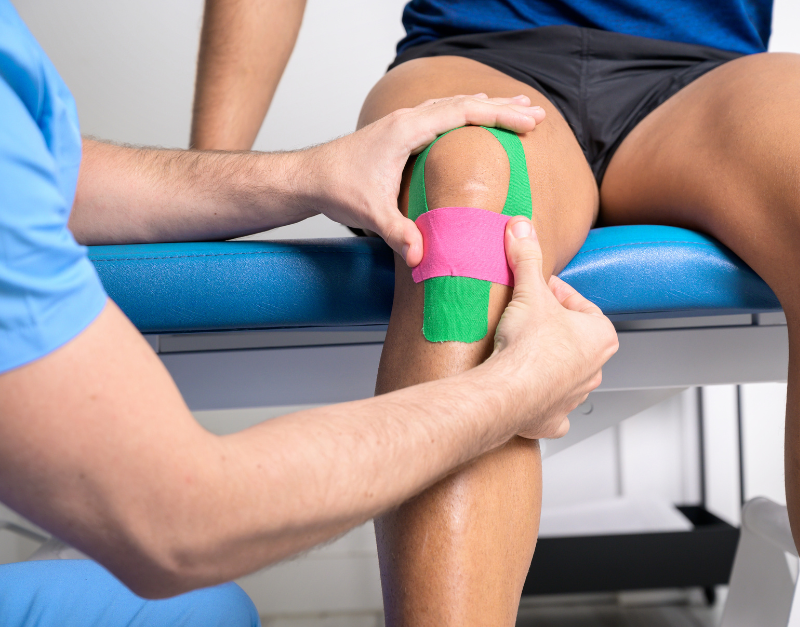
Have you ever seen someone running past you while their hamstring, shoulder, or shin was wrapped in a bright piece of tape? That is athletic tape, not fashion jewelry. This category of rehabilitation products is a standard method of pain management used by athletes and exercise enthusiasts for decades. Sports doctors and physiotherapists frequently recommend tapes because of how useful and practical they are for the user, thanks to technological advancements. What is Athletic Tape? Any athletic bandage or ribbon fastened to a body part that has experienced an injury or inflammation is called “athletic tape.” It has been demonstrated that using the tape sparingly can speed up healing and support the injured area as it heals. Tapes like rigid tape, under video, and Coban bandages offer varying support, breathability, and flexibility. Unquestionably, one type of athletic tape that is gaining popularity is kinesiology tape. Benefits of Kinesiology Tape Early in the 1970s, kinesiology tape was developed. It is entirely flexible and has been designed to feel like skin. Athletes use kinesiology tape, a heat-activated adhesive made of stretchy cotton material, to improve their performance and get dynamic support for sore or inflamed joints and muscles. Unlike many other athletic taping methods, kinesiology tape can be applied for up to a week, which shortens the healing time and is longer than many others. The following are some reasons why physiotherapists suggest using kinesiology tape: Wearing Athletic Tape: Some Tips There are many more benefits to athletic or kinesiology tape than we have listed here. If you want to try it out, these guidelines will help you apply athletic tape securely and effectively: Use only as directed: You may be easily excited about a non-invasive pain-management product, especially if you have a long history of pain. However, we suggest speaking with your physiotherapist first to get the most out of athletic tape. They will be able to assess whether athletic tape is appropriate for your injury and demonstrate how to wear it properly. Verify your skin’s tape-readiness: It might be advisable to take care of cuts or lesions, remove hair, and take care of other issues before applying the tape, especially kinesiology tape. Learn the proper removal methods before applying tape to your skin. Gold Medal Physiotherapy will occasionally, but only when necessary, recommend physiotherapy products to our patients. We do not recommend the purchase of athletic tape or any other products for rehabilitation without first speaking to a staff member. Incorrectly applied athletic tape may make an already painful injury worse. Find out if athletic taping is a good option for you when you visit your therapist next, or get in touch with Gold Medal Physiotherapy immediately.
Cervical Spondylosis is age-related wear and tear that affects the disks in your neck’s spinal column. As the disks deteriorate and shrink, osteoarthritis symptoms such as bony protrusions (bone spurs) along the edges of bones start to show. With age, cervical Spondylosis in Gurgaon becomes more common. More than 85% of people over 60 have cervical Spondylosis. The majority of people who have cervical Spondylosis have no symptoms. Nonsurgical treatments are frequently effective when symptoms do manifest. What Is Spondylosis? Spondylosis is the medical term for the progressive aging and degeneration of the spine. Spondylosis causes the discs and vertebrae in the spine to degenerate. It is a degenerative condition that gradually erodes the divide. It could lead to alterations like deteriorating intervertebral discs or spine-related bone spurs. Causes of Spondylosis There are several causes of Spondylosis: Aging The leading cause of Spondylosis is aging. Our spine’s intervertebral discs weaken and degenerate as we age, along with the ligaments and bones that support it. It is a common condition that impacts over 80% of people over 40. Improper alignment and a sedentary lifestyle The wrong posture can strain your spine unnecessarily and cause excessive wear and tear in some spine regions. If you lead a sedentary lifestyle, your muscles may weaken, especially your back, abs, and shoulders. Your spine may curve abnormally to compensate for the added stress. Genetics Genetic factors may have an impact on how quickly Spondylosis develops. If many family members have the condition, your risk of developing Spondylosis is higher, and you have a stronger genetic predisposition. Injuries and Repeated Trauma Injuries are one of the risk factors for Spondylosis. Injury-induced intervertebral disc herniation can raise the risk of developing osteoarthritis. Spondylosis is more likely to develop in people who repeatedly injure their spine, just like athletes. Additional factors contributing to Spondylosis include repeated heavy lifting, joint misalignment, ongoing spinal stress, and spondylolisthesis. Types Of Spondylosis Spondylosis is broken down into four categories based on the affected area of the spine. There are several types of Spondylosis, including: Cervical Spondylosis A form of Spondylosis called cervical Spondylosis affects the cervical vertebrae in the neck region. It is a common form of Spondylosis. Thoracic Spondylosis Thoracic Spondylosis is the medical name if it affects the thoracic spine (upper and middle back region). It does not have any symptoms and is not very common. Lumbar Spondylosis Lower back Spondylosis, also known as lumbar Spondylosis, is a type of Spondylosis. It is the second most common type of Spondylosis after cervical Spondylosis. The lower back region (lumbar region) and the midline between the buttocks (sacral area) are affected by lumbar and sacral Spondylosis. Multilevel Spondylosis As the name suggests, multilevel Spondylosis affects different parts of the spine. Symptoms of Cervical Spondylosis The most common signs of cervical Spondylosis are pain and stiffness in the neck and shoulders. The pain frequently worsens when you sneeze, cough, tilt your head back, or suddenly stand up. In some cases, headaches may also be present. Another common symptom is a stiff neck, especially in the morning or after prolonged periods of inactivity. On rare occasions, this may result in the compression of blood vessels in the brain, which may cause dizziness or blackouts. Physiotherapy in Gurgaon for Cervical Spondylosis Gold Medal Physiotherapy assesses your overall health and the severity of your Spondylosis before recommending a specific exercise program. They will safely lead you through exercises that strengthen your neck, shoulder, back, and chest muscles. Approximately 75% of the time, physiotherapy for Spondylosis relieves pain and discomfort. A physiotherapist may suggest heat therapy, ultrasound therapy, or electrical simulations, as well as exercises to relax and strengthen your muscles. For more information, go to the Gold Medal Physiotherapy website. Call our doctor when you notice tingling or numbness in your arms or legs. Seek immediate medical help if your arms, legs, or bladder feels unresponsive.
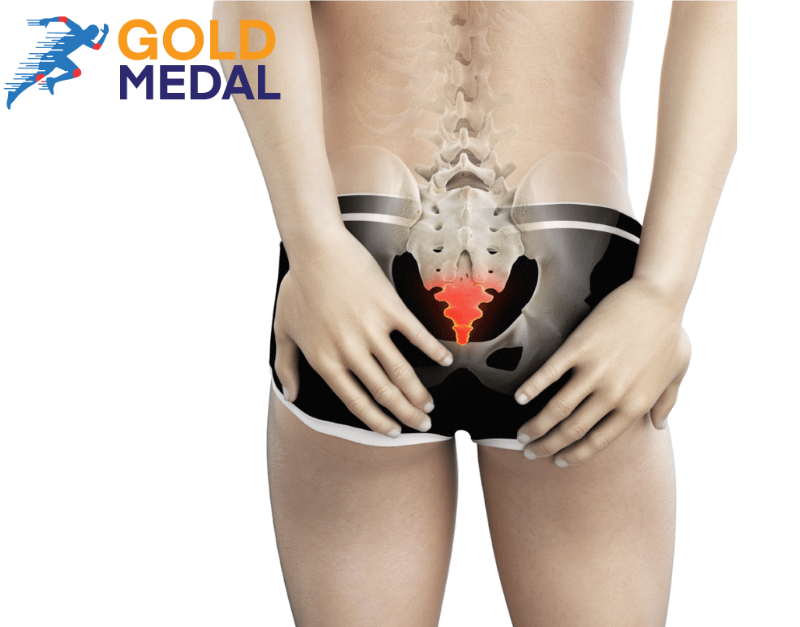
The thought of sitting down for the meal, driving to work or lying on the sofa shouldn’t seem like an act of burden. However, for a lot of sufferers, a nagging pain in the middle of their spine can turn the most routine of activities into nightmares. If you’re experiencing similar symptoms, then you’re likely to be suffering from coccydynia, which is more commonly referred to as backbone discomfort. It’s a very painful condition; however, the bright side is that you don’t need to simply “live with it.” This Coccydynia guide will explain exactly what’s happening, and the best way to find your peace. Understanding the Pain: What Causes It? Coccydynia is the medical term used to describe the pain and inflammation that can be felt within your coccyx, that tiny triangular bone located at the base of your spine. It can range from a constant, dull pain to a sharp painful sensation when you attempt to get up from a sitting position. Actionable Steps: How to Cure Tailbone Pain If you’re wondering how to cure tailbone pain, it is possible to find the answer in the combination of instant relief from pressure and a long-term, mechanical correction. Below are some practical changes you can make right today: These practices can be great to find rapid tailbone pain relief, but true healing will require an examination of the deeper muscles and joint problems in your pelvis. The Core Solution: Physiotherapy for Coccydynia The use of painkillers alone reduces symptoms but doesn’t address the reason for irritation at all. This is why targeted physiotherapy for coccydynia can help. A specialist therapist examines the way your hips, spine and pelvis work together in order to address the problem at hand. Get Your Body Back to Normal with Gold Medal Physiotherapy The pain of a tailbone can cause you to feel trapped; however, it is easily treated by the appropriate hands-on attention. Here at Gold Medal Physiotherapy, we aren’t believers in one-size-fits-all. Our customised Gold Medal Physiotherapy coccydynia treatments are designed to address your unique body mechanics to help you transition without pain to an active, healthy life. Do you want to be able to rest comfortably with no aches? Join Gold Medal Physiotherapy today to schedule your thorough examination and start your first step to long-lasting relief.


Quality Treatment With Super Affordable Price
Call us anytime