

Quality Treatment With Super Affordable Price
Best Physiotherapy Treatment India

Call us anytime
Write a mail
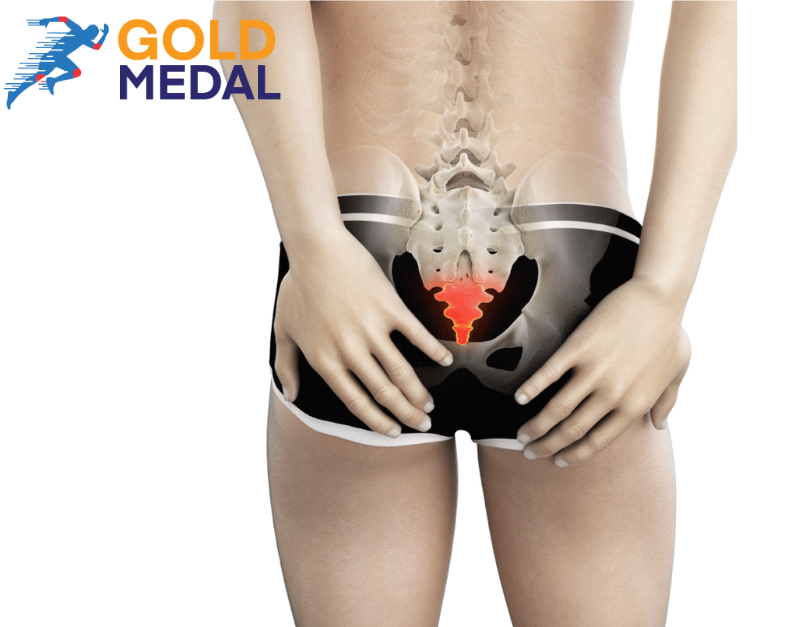
The thought of sitting down for the meal, driving to work or lying on the sofa shouldn’t seem like an act of burden. However, for a lot of sufferers, a nagging pain in the middle of their spine can turn the most routine of activities into nightmares. If you’re experiencing similar symptoms, then you’re likely to be suffering from coccydynia, which is more commonly referred to as backbone discomfort. It’s a very painful condition; however, the bright side is that you don’t need to simply “live with it.” This Coccydynia guide will explain exactly what’s happening, and the best way to find your peace. Understanding the Pain: What Causes It? Coccydynia is the medical term used to describe the pain and inflammation that can be felt within your coccyx, that tiny triangular bone located at the base of your spine. It can range from a constant, dull pain to a sharp painful sensation when you attempt to get up from a sitting position. Actionable Steps: How to Cure Tailbone Pain If you’re wondering how to cure tailbone pain, it is possible to find the answer in the combination of instant relief from pressure and a long-term, mechanical correction. Below are some practical changes you can make right today: These practices can be great to find rapid tailbone pain relief, but true healing will require an examination of the deeper muscles and joint problems in your pelvis. The Core Solution: Physiotherapy for Coccydynia The use of painkillers alone reduces symptoms but doesn’t address the reason for irritation at all. This is why targeted physiotherapy for coccydynia can help. A specialist therapist examines the way your hips, spine and pelvis work together in order to address the problem at hand. Get Your Body Back to Normal with Gold Medal Physiotherapy The pain of a tailbone can cause you to feel trapped; however, it is easily treated by the appropriate hands-on attention. Here at Gold Medal Physiotherapy, we aren’t believers in one-size-fits-all. Our customised Gold Medal Physiotherapy coccydynia treatments are designed to address your unique body mechanics to help you transition without pain to an active, healthy life. Do you want to be able to rest comfortably with no aches? Join Gold Medal Physiotherapy today to schedule your thorough examination and start your first step to long-lasting relief.
The leading cause of chondromalacia patellae, also referred to as “runner’s knee,” is the softening of the cartilage in the kneecap. Although older adults with knee arthritis may also experience it, young athletes frequently do. Chondromalacia is frequently regarded as an overuse injury in sports, so taking a few days off from training is occasionally beneficial. In other cases, poor knee alignment is to blame, and resting is ineffective. Runner’s knee symptoms include knee pain and a grinding sensation, but many patients never go to the doctor. Definition of Chondromalacia Patella Chondromalacia patellae (CMP) is a condition that causes structural and biomechanical changes that cause anterior knee pain. Sclerosis of the underlying bone and softening, swelling, fraying, and erosion of the hyaline cartilage beneath the patella are symptoms of degenerative changes occurring in the articular cartilage on the posterior surface of the patella. Chondromalacia patellae is one of the most frequently occurring causes of anterior knee pain in young people. It can affect up to one in four people, making it the most common cause of death in the US. The word “chondromalacia” combines the Greek words Chronos, which means cartilage, and malaria, which means softening. Consequently, chondromalacia patellae is a softening of the articular cartilage on the patella’s posterior surface, which may eventually lead to fibrillation, fissuring, and erosion. Additional diagnoses of chondromalacia include patellofemoral pain syndrome and patellar tendinopathy. Chondromalacia is not thought to be a part of PFPS in general. Since it is thought that the pathophysiology is different, there is an alternative treatment. Chondromalacia Patella Stages Four stages describe the severity of a runner’s knee, ranging from Stage 1 to Stage 4. The least severe stages are Stages 1 and 4, respectively. Depending on the degree, the cartilage in the knee is softening. Signals both abnormal surface characteristics and a softening of the cartilage. It is usually the beginning of tissue erosion. Shows active tissue deterioration and thinning of the cartilage. The most serious Stage is defined as the exposure of the bone and a sizable amount of deteriorated cartilage. There is likely bone-to-bone rubbing when there is bone exposure in the knee. Chondromalacia Patella Characteristics A dull, aching pain in the front of the knee is the most typical sign of patellofemoral pain syndrome. The following things can make it worse: Examination All four examination techniques—observation, mobility, feel, and X-ray—are used to assess the knee. Medical management Exercise and education are two of a treatment program’s most essential elements. Education enables the patient to fully understand their condition and the best ways to take care of it for a quick recovery. The appropriate structures, such as the gluteal muscles, quadriceps, and hamstrings, are lengthened and strengthened through exercises. The biodynamic structure of the patellae can be restored with acupuncture and fire needling, which can also help treat the clinical symptoms and signs of chondromalacia patellae. If conservative measures fail, a variety of surgical options are available. Two additional treatments that may be successful are: Only removing cartilage will not cure chondromalacia patellae. The biomechanical deficiencies, which must be addressed, can be managed using several techniques. Although there is no single method for treating chondromalacia, most medical professionals concur that non-surgical treatment is the best choice. Physical Therapy Management Exercise Program Physically, it is strongly suggested to use conservative treatment for chondromalacia patellae. Short-wave diathermy can assist in reducing discomfort and enhancing local blood flow, enhancing the nutrient supply to the articular cartilage. Care must be taken when organizing an exercise program. Examples of traditional therapeutic approaches include the following: The program should include both strengthening and stretching. Hamstring length and flexibility are lower in patients with patellofemoral pain syndrome than in those without symptoms. While stretching can improve knee flexibility and function, pain relief is not always immediately achieved. Another treatment method involves warm needling. Coupled with therapeutic exercises, it provides pain relief that lasts longer than warm needling and medication alone. Ice Medication The use of ice during an acute flare-up may help to reduce pain, but it should not be a long-term treatment option. NSAIDs may be useful for pain relief in the short term to resume normal knee function and mobility and begin an exercise regimen. Taping and Braces Although there is conflicting evidence, taping the patella to restrict its movement might provide some short-term relief. Many people use a method called “McConnell taping” or “kinesio taping.” Bracing the patella and knee joint is another method for reducing symptoms and pain. However, the patella’s tracking will be altered, and the quadriceps’ capacity for active contraction will be reduced. Bracing may be beneficial in the short term to give patients support and pain relief to prevent arthralgic movements and maintain a gait as close to normal as possible. Before and following surgery patients can wear braces before and after surgery, but the brace should allow for some variation in the pressure and medial pull on the patella. Physical therapy and the use of a patellar realignment brace are beneficial for patients with chondromalacia patellae. Foot Orthoses Foot orthoses are a different pain-relieving option, but they should only be considered when it is determined that improper lower limb mechanics are the root of knee pain. It might be the situation if Foam Roller Foam rolling can be beneficial by releasing tight muscles and relieving pressure on the patella. If you are searching for the best physiotherapist in Gurgaon, check out Gold Medal Physiotherapy. We recommend you visit the Gold Medal Physiotherapy and consult with the experts.
Your pelvic muscles lean excessively to one side, a common postural abnormality known as a pelvic tilt. This deficiency frequently appears when your pelvic muscles remain in the same position for an extended period. For instance, slumping on the couch or spending hours in a painful office chair may cause your pelvic muscles to adapt. The altered forces may alter your range of motion. If you have a pelvic tilt, you can treat it with specific exercises. Learn more about this postural weakness’ causes, symptoms, and treatments. What is pelvic tilt? The pelvis is essential to how the human body works. This region distributes your weight so that your lower limbs can move. Additionally, it helps maintain the position of the abdominal organs. Your pelvis should ideally not sag forward or backward while you are sleeping. A pelvic tilt can occur when the pelvic muscles are overextended or underused, which makes them pull in one direction. Pelvic tilts can be classified into two categories. Anterior pelvic tilt. Long-term sitting causes your hip flexor muscles to shorten, leading to this condition’s development. These tense muscles cause the pelvis to droop and tilt anteriorly or forward. Posterior pelvic tilt. Your pelvis tilts back due to the hip extensor shortening, which results in this deficiency. Lower back pain could result from posterior pelvic tilt. What actions might result in a pelvic tilt? The pelvic tilt is frequently brought on by: Due to extended periods of inactivity, many people develop pelvic tilt. According to a recent study, 19.7% of American adults spend more than eight hours per day sitting down, while 26.9% of adults in America spend more than four hours doing so. Sitting for extended periods can cause pelvic tilt and other posture problems. Importance of pelvic tilt Patients with chronic lower back pain (LBP) typically perform pelvic tilting exercises in the sagittal plane to realign their lumbar spines. A posture that encourages lumbar lordosis has been identified as one of the leading causes of LBP. The posture that causes lumbar lordosis must be reduced to treat LBP effectively. While posterior pelvic tilting has the opposite effect, anterior pelvic tilting strengthens lumbar lordosis. Rehabilitation frequently makes use of exercises that require posterior pelvic tilting. The local muscles, which also regulate motion in the pelvic sagittal plane, may be related to anterior and posterior pelvic tilting, suggests research. Local muscle training may help LBP patients achieve better lumbar alignment in the sagittal plane. Training the transversus abdominis and multifidus may be advantageous in patients with excessive lumbar lordosis and decreased lumbar lordosis. Chronic low back pain sufferers may have less control over their posture, decreased pelvic proprioception, and decreased “movement awareness.” It raises the question of whether certain positions or activities that require extreme movement (such as movement that is excessive or limited) may put people at risk for LBP. Anterior pelvic tilt An anterior pelvic tilt, also known as a change in posture, occurs when the front of the pelvis rotates forward, and the back of the pelvis rises. Some studies claim that up to 85% of men and 75% of women with no symptoms have an anterior pelvic tilt. An anterior pelvic tilt can be brought on by excessive sitting or inactivity. It affects posture and spine shape and may result in additional symptoms. Posterior pelvic tilt When the pelvis is misaligned and tilted at the back, this is known as a posterior pelvic tilt. It is caused by an unbalanced relationship between the legs’ muscles and the core’s powers, which is influenced by your anatomy, usual posture, and movement patterns. Numerous symptoms can appear, including a hunched posture, tight hamstrings, and back pain. In addition to modifying sitting and sleeping positions, exercises that target specific muscles are frequently used as treatment methods. A joint exercise for correcting pelvic tilt This exercise strengthens your abdominal muscles while stretching the muscles in your lower back. Because this exercise will help put your spine in the correct neutral position, keep track of your progress. What medical procedures does Gold Medal offer to correct pelvic tilt? We use manual techniques to realign the bones, such as MFR, osteopathy, postural exercises, dry needling, and manipulation and mobilization of the bones. Each patient receives a customized treatment plan from us that focuses on releasing tight muscles, strengthening weak muscles, modifying gait, and enhancing posture. If you face any Pelvic Tilt problems, you should check out Gold Medal Physiotherapy. They are among the best and provide the best Pelvic Tilt Treatment in Gurgaon.


Quality Treatment With Super Affordable Price
Call us anytime