

Quality Treatment With Super Affordable Price
Best Physiotherapy Treatment India

Call us anytime
Write a mail
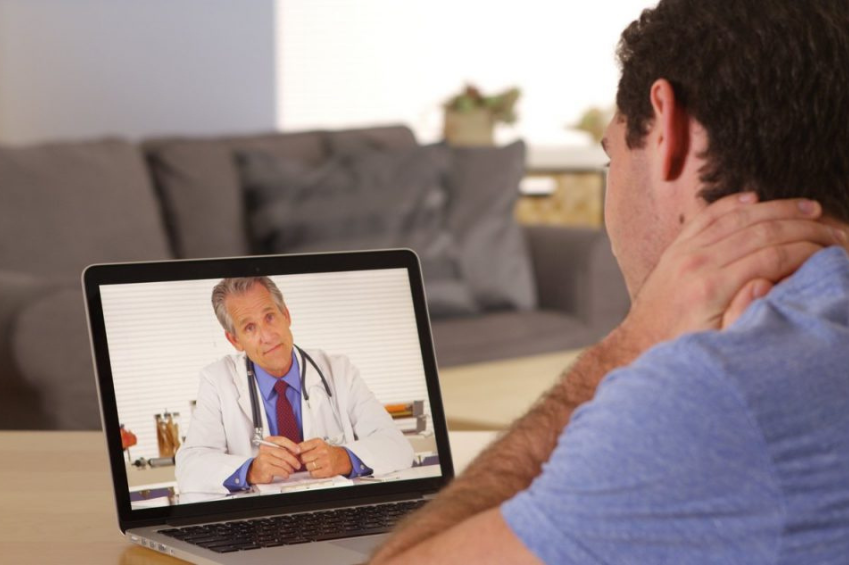
Today’s hectic lifestyle may make it difficult to find time to see the physiotherapist may seem difficult. Between family, work, and other commitments, your appointment is often put back to “someday.” But thankfully, the advancement of technology has transformed how we think about healthcare, and customised online physiotherapy sessions can be a prime instance. The sessions allow you to connect with a skilled physiotherapist from home, receiving the same treatment and attention as you receive on the street. It’s flexible, easy to use and developed entirely to meet your specific needs. What are Personalized Online Physiotherapy Sessions? Personalised online consultations are virtual sessions that allow you to meet with your physiotherapist via an encrypted video chat. During your session, the practitioner will assess your movements as well as posture and points of pain in real time, just as you would in a physical therapy clinic. What’s the difference? You can do it in your own home . Once they have a better understanding of your health after analysing your condition, they design a personalised treatment plan which could include stretching exercises, strengthening exercises, along with posture adjustment, as well as lifestyle recommendations. The aim is straightforward -to assist you in healing faster and better with treatment that is tailored for you. Why choose to get the Customised Care from Home? 1. Convenience and Comfort There’s no need to rush through crowds or line up in clinics. Through online physiotherapy, sessions are scheduled at times and when it fits your needs best- at home, in the office and even when you travel. 2. Service that is truly individualised Each body is unique, and the same is its requirements for healing. Sessions with physiotherapists online are personalised to you, your pain levels, fitness level and goals for recovery. The therapist monitors your progress and adapts the plan of treatment as you progress. 3. Privacy and ease Many people find that exercising or talking about health issues feels much more relaxed in the comfort of their own the comfort of their home. Your familiar surroundings allow people to concentrate more on recovery and not be distracted. 4. Real-Time Guided and Corrective Although the exercise session takes place in virtual reality, your therapist watches and corrects your actions at a real-time pace. It ensures that you’re performing every exercise correctly and safelydecreasing the risk of aggravated injuries. Who Benefits From These Online Sessions? Online physiotherapy is appropriate for all. It may help in: If you’re dealing with persistent discomfort, a well-trained online course can help you make a huge difference. What is the reason Gold Medal Physiotherapy Stands Out If you’re in search of trusted specialists who blend care with experience and expertise, Gold Medal Physiotherapy is the name you should keep in mind. Their team of highly skilled physiotherapists provides tailored sessions on the internet tailored to your lifestyle and health. If you’re recuperating from an injury, struggling with an injury or pain from work, or just want to remain physically active, Physiotherapy at Home in Golf course Road brings expert care directly to your device and helps patients heal quicker and lead a healthier life. FAQs (FAQs)
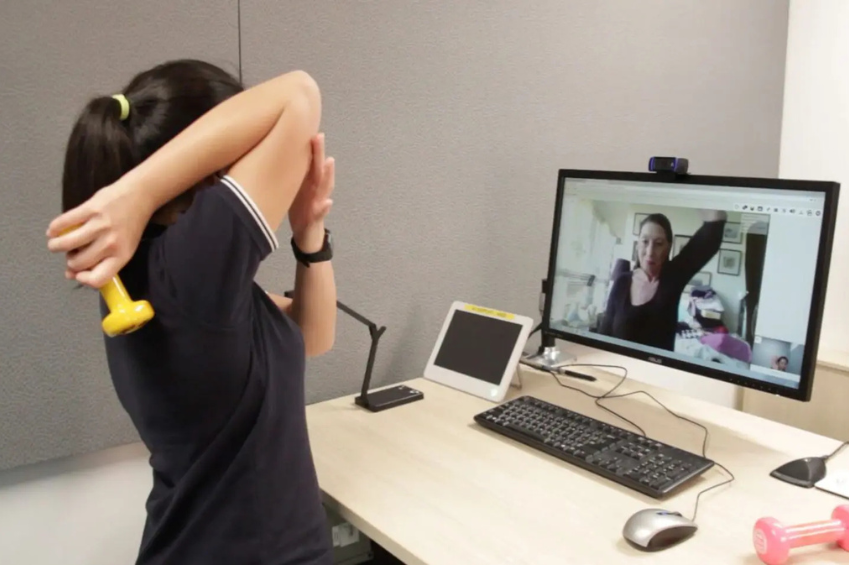
The goal of physiotherapy is always to improve the way people move to recover quickly and enjoy a pain-free life. With tele-physiotherapy, you can get expert help without necessarily visiting an office. If you’re suffering from discomfort, recovering from an injury or want to keep active, it’s now possible to communicate with a professional physiotherapist on the internet from your own home. You’ll need only your smartphone or laptop, along with a high-speed internet connection. Tele-physiotherapy has been helping individuals manage some of the most frequent health problems. 1. Injuries to the neck and back Neck and back pain has taken on a new meaning in modern times and is especially common for those who sit at their desks or spend all day on their computers. With tele-physiotherapy, a trainer can watch your posture, how you move and stretch. They will then provide you with a series of individualised exercises that relieve stiffness and build stronger muscles. They will also assist you in correcting your posture as well as adjusting the layout of your workstation so that your discomfort doesn’t recur. 2. Post-surgery recovery If you’ve recently undergone surgery — such as an ankle replacement or a ligament repair — you’re aware of how vital the physiotherapy process is in healing. Tele-physiotherapy lets you maintain your recovery from the comfort of your own home. Your therapist will review your movement on footage, monitor your progress and offer steps-by-step workouts that are safe and easy to improve your flexibility and strength. It’s easy, stress-free and a convenient option to recover according to your pace. 3. Ailments and injuries from exercising No matter if you’re a gym goer or a runner, or a weekend athlete, injuries could slow your progress. But the good thing is that there’s no need to wait long to visit an expert physiotherapist face-to-face. By using tele-physiotherapy services, experts are able to examine your injuries, improve the form of your workout, and develop a customised rehabilitation strategy to get you returning to full fitness in a short time. This is like having a personal instructor at your side; you’re in your own home. 4. Joint pain, arthritis and Arthritis If you suffer from arthritis, you’ve seen the way joint stiffness and pain can affect your daily activities. Regular movements and the correct exercises can make a huge improvement, and that’s exactly where tele-physiotherapy can help. The therapist you work with will guide you through easy, secure movements that improve your flexibility and decrease the pain. They will also share strategies for protecting joints as well as preventing flare-ups. 5. Stress and Posture As more and more workers work at home, bad posture is now a regular problem. Tense shoulders, stiff necks and back pains are all too well-known. In a video-based session, your physiotherapist will be able to assess the posture of your body, recommend tiny ergonomic modifications and show you easy desk stretching. The smallest adjustments could help to reduce pain and increase efficiency. 6. Disorders of the Neurological System Tele-physiotherapy also provides great aid for those who are recovering from illnesses such as Parkinson’s disease or stroke, or MS. Therapists will assist patients with exercise for coordination and balance, track their progress from a distance and offer encouragement at each step of the way, making rehabilitation more stable and enjoyable. What are the reasons to choose Gold Medal Physiotherapy for Tele-Physiotherapy? The staff at the Gold Medal Physiotherapy meet the latest in ease of use. Their physiotherapists with years of experience provide individual, simple-to-follow online sessions that are tailored to meet your individual expectations and needs. When you’re recovering from a surgery, managing chronic pain or enhancing the mobility of your body, Gold Medal Physiotherapy ensures that you receive expert guidance in motivation and performance, all from the convenience of home at Physiotherapy at Home in Sector 54 . FAQs
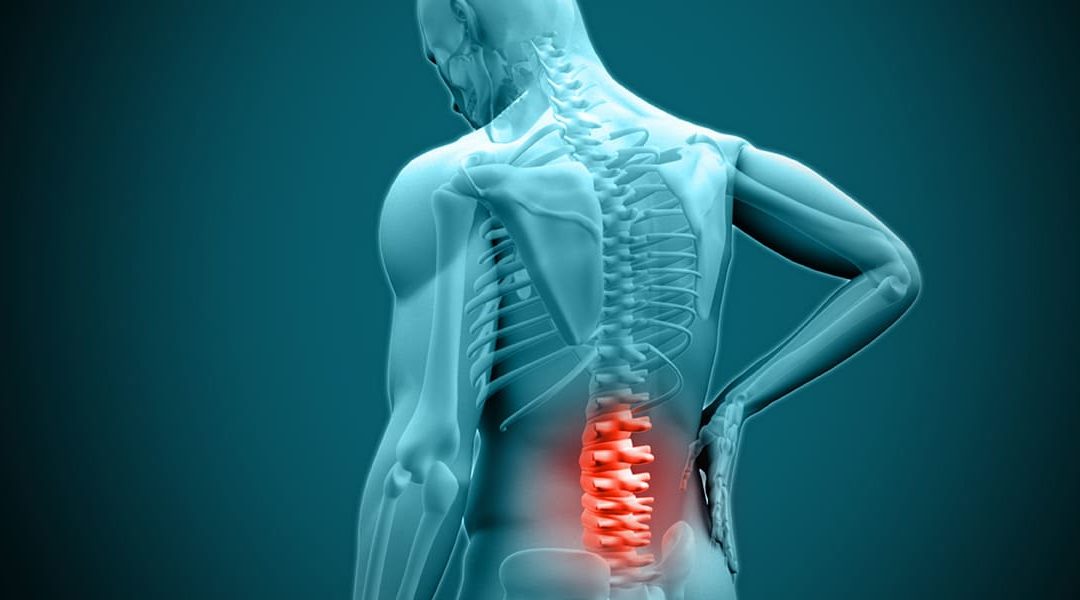
Dealing with a disc injury can be painful, uncomfortable, and often frustrating. Even simple activities—like sitting at your desk, bending to pick something up, or getting a good night’s sleep—can become challenging. A slipped disc happens when one of the soft cushions (discs) between the spinal bones shifts out of place and presses on nearby nerves. The result? Sharp or burning pain, numbness, and even weakness in your arms or legs. If you’re facing these symptoms, physical therapy can make a significant difference in your recovery. For patients in Gurgaon seeking trusted, high-quality care, Gold Medal Physiotherapy is known for helping individuals heal naturally and effectively. And for added convenience, we also offer Home physiotherapy in Sector 43, ensuring professional treatment right at your doorstep. Understanding Slipped Disk and the Signs It Carries The disc may not occur in the blink of an eye. It may be caused by working for a long time and poor posture, or lifting heavy loads incorrectly or even an abrupt jerk or an injury. Common signs include: If you notice any of these, don’t overlook them. The early intervention of physiotherapy can help reduce pain, stop any further injury, and accelerate the recovery process. A Personalised and Gentle Method In the Gold Medal Physiotherapy, you’re not simply another patient. Instead, you’re treated as an individual with special needs. The physiotherapists first learn about your medical history, your lifestyle and the specific pain points. With advanced diagnostic tools, they determine the nerve or disc in pain and the severity of the problem. On this basis, the doctors design a customised treatment program which could include electrical therapy, spinal mobilisation, stretching, strengthening exercises and posture adjustments. They are focused on the reduction of pain, enhancing mobility, and helping your body heal naturally, without any surgery or a heavy dose of medication. Modern Techniques that actually work Gold Medal Physiotherapy combines experience with the latest technology to guarantee the most effective and long-lasting effects. The treatments they offer typically include: The treatment of spinal decompression helps to reduce tension on nerves. Laser therapy and ultrasound therapy to decrease the pain and inflammation Core exercises for strengthening for improving the back’s stability The training of posture and ergonomics for preventing problems from returning The method is scientific and practical. Guarantees that each session will help to feel more confident and assured in your performance. Reliable Physiotherapists who Care What truly distinguishes Gold Medal Physiotherapy apart is the group of highly skilled and caring Therapists. They spend time explaining the condition of your body, lead you through each workout with patience and monitor your progress in a meticulous manner. The goal of their services isn’t just to alleviate your pain, but also to help you get back to living your regular life comfortably and safely. An Environment of Healing That Makes You Feel at Home The process of regaining a slipped disc is a lengthy process, so the presence of a friendly and supportive atmosphere makes a huge difference. Gold Medal Physiotherapy offers a welcoming, encouraging and comfy place that allows patients to feel safe each step. Therapists will celebrate the little successes and help you stay motivated through your journey to recovery. Conclusion If you’re looking for the best care for a disc injury, Gold Medal Physiotherapy in Gurgaon is a name you can trust. With advanced treatment techniques, personalised rehabilitation plans, and a team of experienced specialists, they help you heal naturally and regain full control over your body. Their approach ensures you can move freely, work comfortably, and live pain-free once again. For added convenience, they also offer Physiotherapy at Home in Sector 44, bringing expert care right to your doorstep. FAQs (FAQs)


Quality Treatment With Super Affordable Price
Call us anytime