


Quality Treatment With Super Affordable Price
Best Physiotherapy Treatment India

Call us anytime
Write a mail
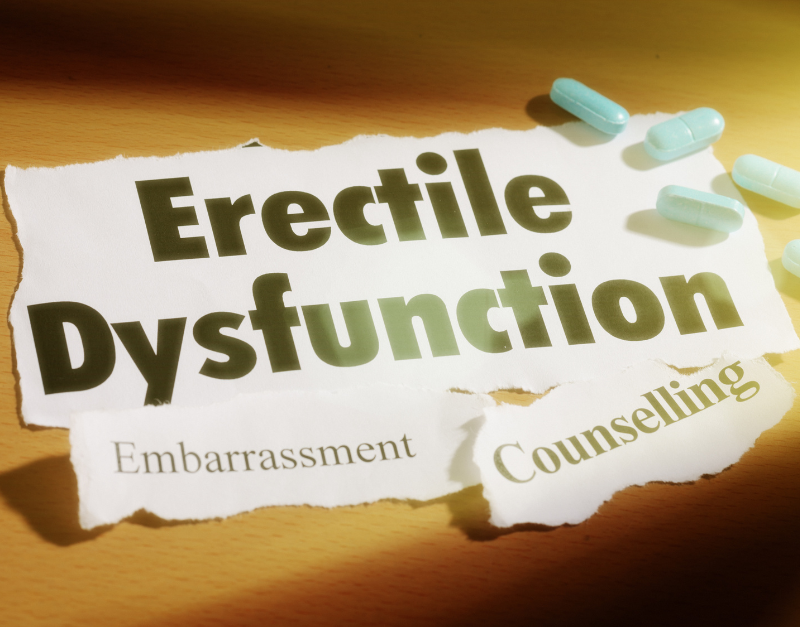
Erectile dysfunction (ED) is a common condition that can significantly impact a man’s self-esteem, relationships, and overall quality of life. While medical treatment options are available, many individuals are seeking natural remedies that can complement or even serve as alternatives to pharmaceutical solutions. Physiotherapy in Gurgaon can also help you cope with erectile dysfunction and restore your confidence. This article explores some of the best natural remedies for erectile dysfunction, assisting individuals to regain confidence and enhance their intimate relationships. Healthy Lifestyle Choices: Maintaining a healthy lifestyle is crucial for preventing and managing erectile dysfunction. Regular exercise improves cardiovascular health and promotes healthy blood flow, a critical factor in achieving and maintaining an erection. A balanced diet rich in fruits, vegetables, whole grains, lean proteins, and healthy fats supports overall well-being and improves sexual function. Herbal Supplements: Several herbal supplements have gained popularity for their potential to address erectile dysfunction. Among the most notable herbal supplement choices are: Acupuncture: Thin needles are inserted into specific body points during the traditional Chinese medical procedure known as acupuncture. Some studies suggest that acupuncture may improve erectile function by promoting circulation and reducing stress, which can contribute to ED. Mindfulness and Stress Reduction: It is well known that anxiety and stress can cause erectile dysfunction. Mindfulness techniques, meditation, and deep breathing exercises can help manage stress levels and improve overall emotional well-being. On sexual function, stress reduction can have a favorable effect. Regular Physical Activity: Engaging in regular physical activity is not only beneficial for cardiovascular health but also for erectile function. Exercise helps improve blood circulation, maintain healthy body weight, and regulate hormone levels—all of which play a role in sexual health. Adequate Sleep: Hormonal harmony and general well-being depend on adequate sleep. Poor sleep quality and duration can contribute to erectile dysfunction. Prioritizing good sleep hygiene can help restore healthy sexual function. Limiting Alcohol and Tobacco: Excessive alcohol consumption and smoking have been linked to erectile dysfunction. Reducing or eliminating these habits can significantly improve sexual health. Conclusion Erectile dysfunction can be a challenging condition to navigate, but there are several natural remedies that individuals can consider to help restore confidence and intimacy. While these remedies have shown promise in promoting erectile function, it’s important to note that results may vary from person to person. If you’re experiencing persistent erectile dysfunction, it’s recommended to consult a Gold Medal Physiotherapy to rule out any underlying medical conditions and receive personalized guidance. Remember that a holistic approach, encompassing healthy lifestyle choices, herbal supplements, stress reduction techniques, and open communication with your partner, can contribute to an improved quality of life and more fulfilling intimate relationships. Whether you explore natural remedies or pursue medical interventions, taking steps toward better sexual health is a positive investment in your overall well-being.
Erectile dysfunction (ED), once considered a rarity, has become a prevalent issue affecting men across the globe. This modern epidemic has left many wondering why this condition has become so common in recent years. Multiple factors stemming from changes in lifestyle, environmental factors, and psychosocial stressors have contributed to the rise of erectile dysfunction in the contemporary world. But it can be cured with the best physiotherapy treatment in Gurgaon. Sedentary Lifestyle and Obesity: The sedentary lifestyle many individuals lead today has affected overall health, including sexual function. Lack of physical activity and poor dietary choices can lead to obesity, a known risk factor for ED. Obesity contributes to cardiovascular problems and negatively impacts blood circulation, a critical component of achieving and maintaining an erection. Unhealthy Diets: Modern diets often contain processed foods high in unhealthy fats, sugars, and sodium. These diets contribute to obesity, diabetes, and heart disease, which can directly or indirectly lead to erectile dysfunction. Nutrient deficiencies that result from poor eating habits can also impact hormone levels and blood flow. Stress and Mental Health: The fast-paced nature of modern life brings high levels of stress and anxiety. Chronic stress triggers the release of stress hormones like cortisol, affecting hormone balance and vascular health. Psychological factors such as performance anxiety, depression, and relationship problems further exacerbate the issue, often becoming underlying causes of ED. Environmental Factors: Exposure to environmental toxins and pollutants can impact hormonal balance and overall health. Endocrine-disrupting chemicals in plastics, pesticides, and other everyday products can interfere with the body’s hormonal system, potentially leading to sexual dysfunction. Technology and Screen Time: The advent of technology has revolutionized how we live and communicate, but it has also led to more sedentary behavior and disrupted sleep patterns. Excessive screen time, especially before bedtime, can interfere with sleep quality and circadian rhythms, which play a role in sexual health. Performance Pressure and Unrealistic Expectations: Modern society significantly emphasizes performance and appearance. It can lead to feelings of inadequacy and immense pressure to meet unrealistic expectations. The fear of not measuring up can create anxiety and hinder sexual performance, leading to a vicious cycle of erectile dysfunction. Medical Conditions and Medications: Chronic medical conditions like diabetes, cardiovascular disease, and hypertension have become more prevalent due to changing lifestyles. Additionally, medications used to manage these conditions can have side effects that impact sexual function. Aging Population: As the global population ages, the prevalence of age-related health issues like cardiovascular disease, diabetes, and hormonal changes increases. These conditions can contribute to erectile dysfunction as men grow older. Conclusion The rise of erectile dysfunction in modern times can be attributed to a complex interplay of various factors. From sedentary lifestyles and unhealthy diets to stress, environmental toxins, and unrealistic societal expectations, these factors have created a perfect storm for sexual dysfunction. It’s essential to recognize that the problem is multifaceted and requires a holistic approach to prevention and management. Addressing this issue requires lifestyle changes, stress reduction techniques, open communication with partners, and seeking professional medical advice when necessary. Men should be encouraged to prioritize their overall health, maintain a balanced lifestyle, and seek help early if they experience persistent erectile dysfunction. By understanding and addressing the root causes of this condition, individuals can take proactive steps toward regaining their sexual health and overall well-being with Gold Medal Physiotherapy at home.
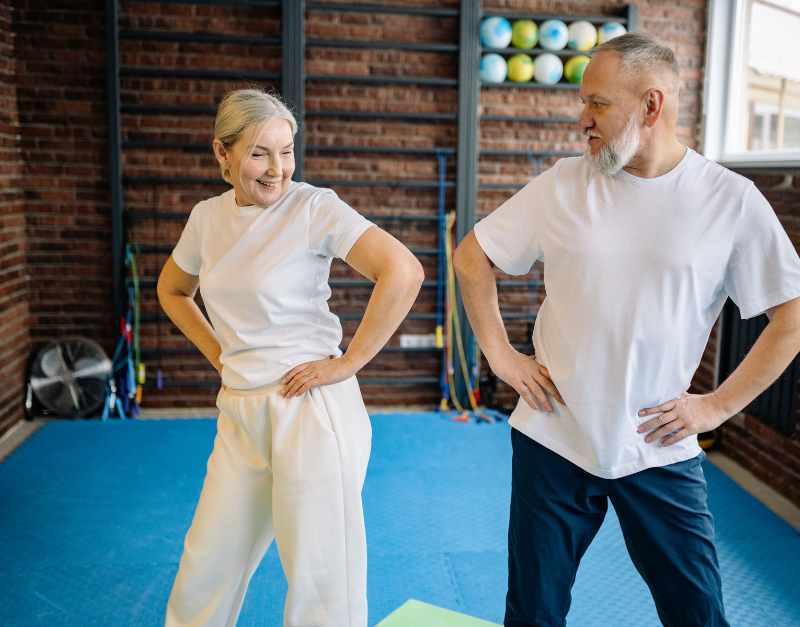
Regarding sexual wellness, there’s more to consider than physical attraction and emotional connection. The body’s physical capabilities and flexibility, particularly in the hips, significantly enhance the overall sexual experience. Here a good physiotherapist in Gurgaon comes into the role. This blog will explore the importance of hip mobility in sex and how it can contribute to a more fulfilling and satisfying intimate life. The Anatomy of Hip Mobility Before diving into the significance of hip mobility, let’s understand the anatomy of the hip joint. The hip is a ball-and-socket joint that allows a wide range of motion. It consists of the femur (thigh bone) and the acetabulum (socket in the pelvic bone). Muscles, ligaments, and tendons surround this joint, facilitating movement in various directions. Why Hip Mobility Matters in Sex Ways to Enhance Hip Mobility Now that we understand why hip mobility is crucial for a satisfying sex life let’s explore some ways to improve it: Conclusion In conclusion, hip mobility is not just a matter of physical fitness; it plays a pivotal role in sexual wellness and satisfaction. Flexible and mobile hips can lead to a more varied, comfortable, and enjoyable sexual experience for both partners. Investing time and effort into improving hip mobility through stretching, exercise, Gold Medal Physiotherapy, and self-care can contribute to a more fulfilling intimate life. Remember, a healthy and mobile body can lead to a happier and more satisfying sexual relationship, adding to your overall well-being and quality of life.


Quality Treatment With Super Affordable Price
Call us anytime