



Quality Treatment With Super Affordable Price
Best Physiotherapy Treatment India

Call us anytime
Write a mail
Even the slightest movement can be painful when you have a disc problem. Waiting in line or driving to clinics can be very uncomfortable. This is why selecting the Best home physiotherapist for disc problem makes your recovery more comfortable and manageable. Gold Medal physiotherapy delivers expert treatment to you, so that it is comfortable, consistent, and promotes faster healing. The Benefits of Home Physiotherapy If you are in discomfort, or have been on a long trip, have jerky movements or have sat for a while, it is possible that you may develop disc issues. You don’t have to travel anywhere when you hire a Physiotherapist for disc problem at home. Instead, they will come directly to your house and provide you with the care you need. Why can home physiotherapy be so useful? This is the true advantage of choosing Best home physiotherapist for disc problem without leaving your comfort zone. Treating Common Disc Issues at Home Disc bulge physiotherapy at home without any hassle: Disc Bulge This is a common issue. Disc bulge physiotherapy at home will help you relieve the nerve pressure and strengthen your spine. Herniated Disc / Disc Slip You may experience sharp pains, tingling or stiffness. You can do home physiotherapy with gentle manual therapy, strengthening exercises and mobility exercises. Sciatica resulting from Disc Compression. When the nerve is compressed, pain can spread down to the legs. It is possible to reduce compression at home and restore motion without aggravating the symptoms. During a Physiotherapy Session at Home, What Happens? Choose a Physiotherapist for disc problem at home. This will allow you to customise each treatment according to your current pain levels and progress. 1. Assessing the Detailed Situation Your therapist assesses your posture and symptoms. They also look at movement restrictions, daily routine, and any other limitations. 2. The Treatment You Get Is Personalised You may need to perform spinal mobilisation or core strengthening exercises, as well as pain relief techniques. 3. Weekly Activity Guidelines Your posture, sleeping, lifting, bending, and walking are all important. Your therapist is going to guide you with spine-friendly lifestyle habits. 4. Progress Tracking The exercises you do will change as your pain diminishes and your strength increases. Why choose a disc expert at home? It is important to use a scientific, careful method of rehabilitation. The specialist will ensure your recovery is not only quick but long-lasting. Key Advantages Final Words Disc Problem Home Physiotherapy is the best option for those suffering from chronic back pain. Gold Medal Physiotherapy is a trusted provider of home-based disc therapy. FAQs
The pain in your knees can make it difficult to do simple things like walk, climb stairs or get out of bed. No matter if the knee pain stems from ageing, a previous injury, or even a recent operation, physiotherapy has the power to transform the recovery process. Knee specialist physiotherapist at home, saving you the hassle of travelling. Gold Medal Physiotherapy is aware of the importance of receiving treatment in a comfortable and relaxed environment. Our highly trained physiotherapists can provide knee rehab right at your front door. How to Choose the Best Home Physiotherapist For Knee Pain Physiotherapy done at home is more than just convenient. You’ll get better results. A Knee Specialist Physiotherapist at Home can evaluate your walk, the way you sit, as well as how you use your knee. A treatment plan can be created that is tailored to your needs and fits into your life. Benefits from a Home Visit by a Physiotherapist Knee pain physiotherapist at Home ensures that you will get focused and individual attention in every session. The sessions are one-on-one, with no waiting rooms, stress or travel involved. Includes the following benefits: How to treat common knee conditions at home Our physiotherapists can handle many knee conditions with great care. 1. Osteoarthritis Knee Joint Pain Improves flexibility, reduces stiffness and helps strengthen weak muscles. 2. Ligament Injuries(ACL/MCL Rehab involves restoring strength and stability to the body, as well as confidence. 3. Post-Surgery Recoveries Regular home physical therapy can accelerate healing following knee replacements or arthroscopies. 4. Patellofemoral Pain (Kneecap Pain) Together, alignment corrections and focused strengthening can offer lasting relief. 5. Tendonitis & Meniscus Problems In order to recover, it is helpful to use gentle techniques such as manual strengthening and controlled loading. When is a visit to your home? A Knee Pain Physiotherapy at home in Gurgaon will begin with a comprehensive assessment. You will be assessed for your strength, flexibility, balance and walking style. As a result, you may receive: Also, you’ll learn simple home exercises for long-term recovery. Why Gold Medal Physiotherapy? If you want to find a dependable Home physical therapist for knee problems, then Gold Medals Physiotherapy is the right choice. We offer expert care and a caring, patient-centred attitude. The therapists at Gold Medal Physiotherapy focus on helping patients return to their normal activities by reducing pain and building strength. What makes it different? FAQs
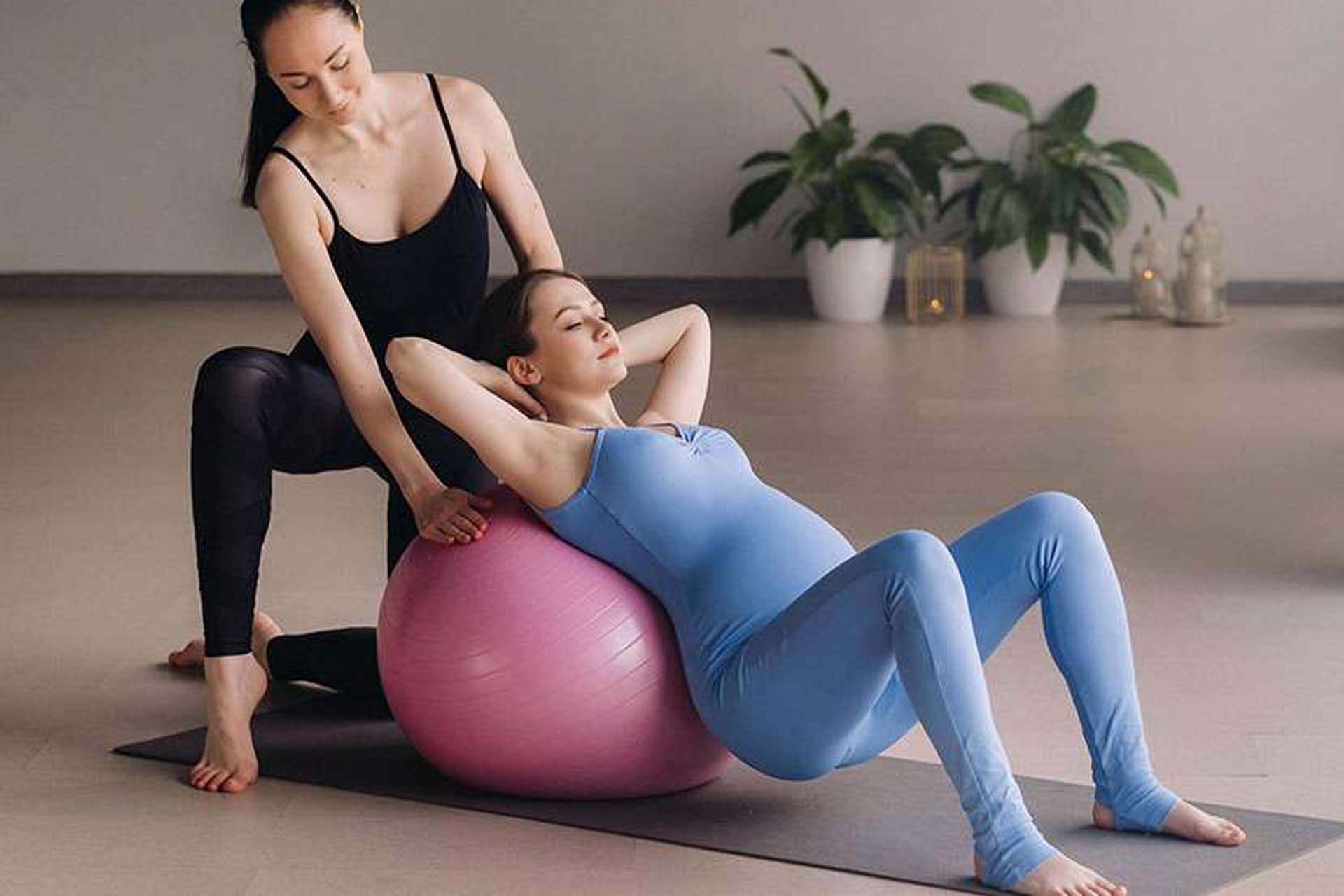
The motherhood experience and pregnancy are both beautiful experiences; however, they place a great deal of stress on the body of a woman. From joint pain and swelling to weakness and fatigue, Many new or expecting mothers face physical issues. This is when female physical therapy helps women remain resilient, keep their bodies strong, as well as recover in a comfortable manner during and following pregnancy. Prenatal Physiotherapy: How to Prepare Your Body for the Big Day When you are pregnant, your body undergoes amazing modifications. The belly expands as hormones loosen ligaments and postures shift. The changes in your posture can create discomfort, particularly in the hips, back, and legs. Physiotherapy for pregnant women was designed in order to ensure that to keep you comfortable and healthy through your pregnancy. The benefits of prenatal physiotherapy What To Expect Prenatal physiotherapy consists of mild stretching, gentle activities that are low-impact, guidance for posture, as well as hydrotherapy. Each session is custom-designed to the stage of your pregnancy and your level of comfort. Postnatal Physiotherapy helps your body recover. Following the birth, your body is in need of the best care and attention. Postnatal physical therapy concentrates on helping moms to regain their strength, enhance mobility, and recuperate from the physical effects of the birth. Back pain is a common issue, and weak pelvic muscles, as well as abdominal dissociation (diastasis recti), are effectively addressed by a professional. The benefits of postnatal physiotherapy What does it involve The postnatal session usually consists of the use of gentle exercise in posture, as well as guidance on lifting safely and movement while taking care of your infant. The aim is to ensure that you feel secure, confident and comfortable. The importance of female physiotherapy. Female physiotherapy is about meeting the needs specific to pregnant women and their families. This not only helps prevent problems but can also help women feel at ease with their bodies and overall health. We are Gold Medal Physiotherapy. Our highly trained physical therapists develop a customized program for prenatal and postnatal. We are focused on the comfort of your recovery and your overall well-being. We ensure all mothers can have a great time on their journey with minimal pain or worry. FAQs


Quality Treatment With Super Affordable Price
Call us anytime