



Quality Treatment With Super Affordable Price
Best Physiotherapy Treatment India

Call us anytime
Write a mail
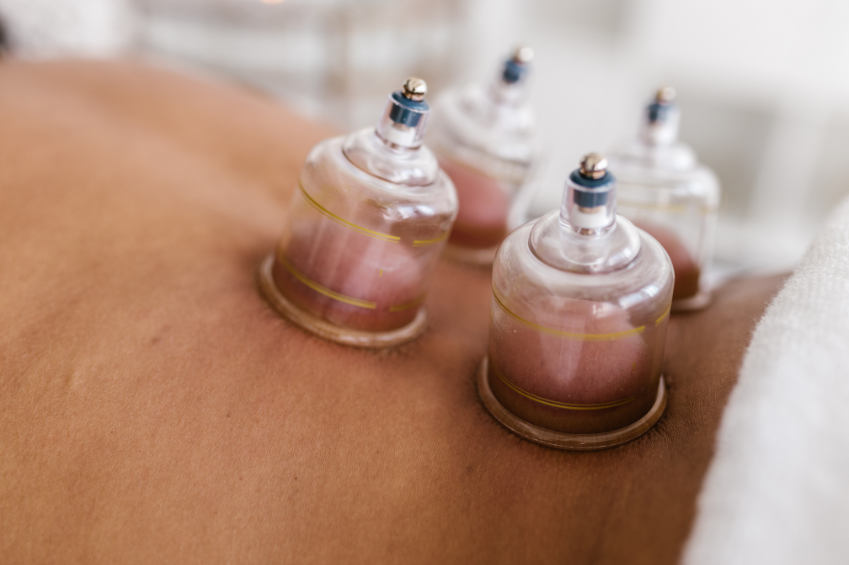
Cupping therapy is among the ancient healing methods which has amazingly endured the tests of the years. It is a result of the traditional Chinese, Egyptian, and Middle Eastern medicine; it’s becoming more popular worldwide not only in fitness centres, but also the physiotherapy clinics, as well as in sports rehabilitation programmes. What is the reason this treatment is so efficient? Let’s break down the issue in terms that are easy to understand. What is Cupping Therapy? Cupping therapy is the practice of placing small cups onto the skin in order to produce suction. The suction is gentle and helps to lift the soft tissues below, which improves blood circulation as well as alleviates muscle tension. Therapists in the past employed glass or bamboo cups, and also fire to produce suction. Today, clinics are using silicone or plastic cups equipped with pumps for a more efficient and more controlled procedure. Its primary objective is to enhance the body’s natural healing powers through increasing the flow of blood, eliminating toxins and relieving muscular stiffness. A lot of people find it to be deeply comfortable, similar to an inverted massage, which draws tension and discomfort out of the body. Different Types of Cupping Methods 1. Dry Cupping This is by far the most well-known type of cupping. The practitioner places the cups over the skin, and then creates suction with heat or by using the use of a pump. The cups remain on the skin for several minutes to increase circulation, as well as loosen muscles that are tight. 2. Wet Cupping (Hijama) With this method, tiny punctures are carefully made over the skin prior to applying the cup once more. The cup draws out a small amount of blood. This is believed to assist in removing toxic substances and promoting the healing process. 3. Moving or massage Cupping Therapists apply oil on the skin prior to moving the cups around. The result is a combination of the advantages of suction along with the soothing effect of massage, which is ideal to ease stiffness and muscle pain. 4. Flash Cupping The method is quick and involves moving cups around in a steady movement. It’s great for increasing blood flow and enhancing complexion tone. The Science Behind Cupping Therapy As suction develops in the skin, other tissues are gently pushed upward. The vacuum effects increase blood flow to the region that brings in more oxygen and nutrients to muscles as well as the tissues. What happens in your body: The short version is that cupping can help your body to heal itself through improving blood flow and easing tension — and this is all done without medicine. Cupping Therapy by Gold Medal Physiotherapy In the Gold Medal Physiotherapy Cupping therapy is carried out by highly trained experts who combine traditional techniques and modern knowledge of human body mechanics. Each session is tailored for your specific needs, no matter if you’re struggling with muscle fatigue, back pain or strain. Clinics provide a secure, healthy, clean and comfortable setting, which allows you to feel complete relief and regeneration. Through regular visits or Physiotherapy at Home in Gurgaon, you’ll experience better mobility, less pain and a better overall feeling. Frequently asked questions (FAQs)
Sport is fun, but there are certain risks. No matter if you’re an elite athlete or simply enjoy playing games on weekends, accidents can occur. But the good news is that the physiotherapy profession can make an enormous impact on recovery and help players return to their game quicker and more powerfully. Common sports injuries 1. Strains and Sprains The ligaments, which are the tough band that connects bones, get stretched or damaged, typically at the knee or ankle. The muscles and tendons are affected by strains, typically from excessive use or abrupt movements. The signs to look for: Pain, swelling, bruises, and trouble in moving the affected area. 2. Fragments Fractures refer to breaks in the bones. They occur during sports with high impact like basketball, football or skiing. These can be minor cracks or complete breaks. The signs are: Intense pain, swelling, apparent deformity and difficulty in using the limb that has been injured. 3. Dislocations Dislocations occur when a bone shifts from its usual position, usually in the fingers or shoulder. They can be extremely in pain and often require immediate medical attention. The signs: The joint looks off-centre, motion is limited, and pain can be sharp. 4. Tendinitis Tendinitis occurs when the tendons get damaged, usually through repetitive actions such as playing tennis and lifting heavy weights. Shoulders and elbows are typical places. The signs are: Swelling, tenderness and unrelenting discomfort around joints. 5. Concussions Concussions can be due to a blow to the head. It is common games that involve contact, such as hockey or football. The symptoms are: Dizziness or headache, nausea, confusion or temporary loss of consciousness. What physiotherapy can do to help It’s not only about fixing injuries. It’s also concerned with helping your body recover properly and preventing any future injuries. 1. The reduction of pain Methods such as ice or heat massage, gentle pressure and electrical stimulation may help relieve the pain and reduce inflammation. 2. Regaining Movement The physiotherapists will provide exercises that improve joint mobility, flexibility and strength of muscles. 3. To prevent future injuries Through the guidance of postures, strength exercises, and correct exercise, physiotherapy can reduce the chances of injury and re-injuring yourself. 4. Enhancing Performance Exercises for rehabilitation not only heal the injury, but they also make the muscles stronger and more able to withstand the next time you play. How often should you see a Physiotherapist? Minor injuries can turn into major complications if ignored. Starting physiotherapy early ensures faster, safer, and more effective recovery. At Gold Medal Physiotherapy, we specialize in treating a wide range of sports injuries. Whether you’re dealing with fractures, sprains, muscle strains, or concussions, our expert team designs personalized treatment plans to help you return to your routine confidently. We focus on restoring mobility, strength, and overall performance—ensuring you get back to your sport safely. If you prefer care in the comfort of your home, we also offer Physiotherapy at Home in Sector 47 Gurgaon, providing expert treatment right at your doorstep. FAQs
Today’s hectic lifestyle may make it difficult to find time to see the physiotherapist may seem difficult. Between family, work, and other commitments, your appointment is often put back to “someday.” But thankfully, the advancement of technology has transformed how we think about healthcare, and customised online physiotherapy sessions can be a prime instance. The sessions allow you to connect with a skilled physiotherapist from home, receiving the same treatment and attention as you receive on the street. It’s flexible, easy to use and developed entirely to meet your specific needs. What are Personalized Online Physiotherapy Sessions? Personalised online consultations are virtual sessions that allow you to meet with your physiotherapist via an encrypted video chat. During your session, the practitioner will assess your movements as well as posture and points of pain in real time, just as you would in a physical therapy clinic. What’s the difference? You can do it in your own home . Once they have a better understanding of your health after analysing your condition, they design a personalised treatment plan which could include stretching exercises, strengthening exercises, along with posture adjustment, as well as lifestyle recommendations. The aim is straightforward -to assist you in healing faster and better with treatment that is tailored for you. Why choose to get the Customised Care from Home? 1. Convenience and Comfort There’s no need to rush through crowds or line up in clinics. Through online physiotherapy, sessions are scheduled at times and when it fits your needs best- at home, in the office and even when you travel. 2. Service that is truly individualised Each body is unique, and the same is its requirements for healing. Sessions with physiotherapists online are personalised to you, your pain levels, fitness level and goals for recovery. The therapist monitors your progress and adapts the plan of treatment as you progress. 3. Privacy and ease Many people find that exercising or talking about health issues feels much more relaxed in the comfort of their own the comfort of their home. Your familiar surroundings allow people to concentrate more on recovery and not be distracted. 4. Real-Time Guided and Corrective Although the exercise session takes place in virtual reality, your therapist watches and corrects your actions at a real-time pace. It ensures that you’re performing every exercise correctly and safelydecreasing the risk of aggravated injuries. Who Benefits From These Online Sessions? Online physiotherapy is appropriate for all. It may help in: If you’re dealing with persistent discomfort, a well-trained online course can help you make a huge difference. What is the reason Gold Medal Physiotherapy Stands Out If you’re in search of trusted specialists who blend care with experience and expertise, Gold Medal Physiotherapy is the name you should keep in mind. Their team of highly skilled physiotherapists provides tailored sessions on the internet tailored to your lifestyle and health. If you’re recuperating from an injury, struggling with an injury or pain from work, or just want to remain physically active, Physiotherapy at Home in Golf course Road brings expert care directly to your device and helps patients heal quicker and lead a healthier life. FAQs (FAQs)


Quality Treatment With Super Affordable Price
Call us anytime