


Quality Treatment With Super Affordable Price
Best Physiotherapy Treatment India

Call us anytime
Write a mail
Restoring Balance: A Comprehensive Guide to Vestibular Rehabilitation Vestibular Rehabilitation Therapy (VRT) stands out among therapies as a specialised and tailored strategy designed to meet the various obstacles provided by vestibular illnesses. This exercise-based programme has been methodically designed to alleviate the primary and secondary difficulties associated with diseases such as vertigo, dizziness, gaze instability, and imbalance, aiming to improve the overall quality of life for people suffering from these debilitating issues. Understanding Vestibular Rehabilitation The prognosis for patients suffering from vestibular problems is frequently bleak, with abnormalities persisting due to limited restoration of vestibular function. Vestibular Rehabilitation Therapy, on the other hand, provides a ray of hope through compensation. This compensating process is based on the brain’s extraordinary capacity to adapt using alternate modalities, particularly visual and somatosensory signals, to compensate for the impaired vestibular system. Best affordable physiotherapy can help you in the vestibular rehabilitation. How Vestibular Rehabilitation Works The complete examination during a therapy session is a critical component of Vestibular Rehabilitation. A professional physical therapist thoroughly investigates the patient’s symptoms and medical history. The evaluation includes balance, leg strength and flexibility, gait, visual stability, neck mobility, and positioning tests. Vestibular Rehabilitation Therapy’s ultimate goal is to use a problem-solving approach, customising exercises to the specific issues found during this thorough clinical assessment. The Three Pillars of Vestibular Rehabilitation Exercises: Conditions and Symptoms Treated Vestibular Rehabilitation Therapy is advised for a variety of symptoms and diseases, including dizziness, imbalance, vertigo, Meniere’s syndrome, benign paroxysmal positional vertigo (BPPV), neck-related dizziness, migraines, strokes, brain traumas, and recurrent falls. VR can help with various symptoms, including fuzzy vision with head motions, neck stiffness or pain, migraines, frequent falls, and vertigo. Who Will Benefit? Vestibular Rehabilitation offers hope to a wide range of people suffering from symptoms such as dizziness, ear pressure, nausea, ringing in the ears, persistent headaches, or imbalance. The dedication of patients to continuously do the suggested activities is critical to the effectiveness of VR. As patients stick to their exercise routine, a considerable reduction or even total eradication of balance and dizziness becomes a palpable reality, frequently exceeding original expectations. An Illustrative Case: Benign Paroxysmal Positional Vertigo (BPPV) BPPV is one of the most prevalent vestibular disorders, and physical therapy has been effective in treating it. In the case of BPPV, rehabilitation may consist of only a few brief repositioning maneuver-focused treatment sessions. However, for people experiencing symptoms associated with other diseases, the trip may need a few weeks of gradually progressing workouts. Whatever the individual condition, Vestibular Rehabilitation Therapy typically results in a considerable reduction in symptoms and, in many cases, complete remission. This transformational influence significantly enhances the quality of life for people dealing with vestibular problems. Vestibular Rehabilitation Therapy appears as a light of hope in the domain of therapeutic therapies for persons dealing with the significant and sometimes devastating impacts of vestibular illnesses. VR exemplifies the incredible resiliency of the human body and mind by embracing a personalised, exercise-based approach. The power of Vestibular Rehabilitation is evident in its capacity to restore balance and boost the general well-being of people who start on this transforming path, whether it be dizziness, vertigo, or imbalance. Vestibular Rehabilitation plays a harmonic melody in the symphony of therapeutic modalities, resonating with the capacity to restore balance to the lives of individuals who dare to accept its advantages. Gold Medal Physiotherapy is a light of hope for vestibular disease patients. Their thorough and personalised approach, with a specialised focus on Vestibular Rehabilitation Therapy, becomes revolutionary, promising patients recovered balance and an enhanced quality of life. FAQs
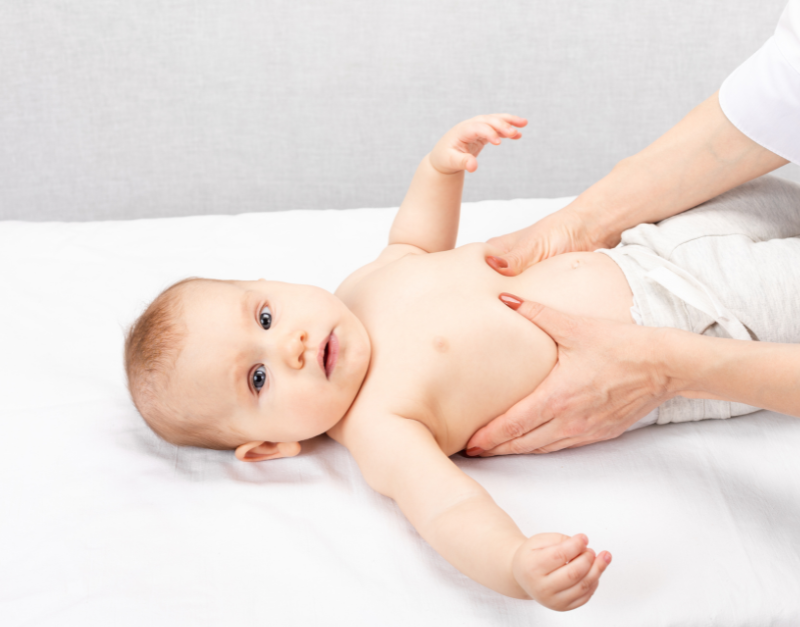
Unlocking the Healing Power of Lymphatic Drainage Massage Lymphatic drainage massage stands out among therapeutic massages as a gentle yet effective method meant to optimise the body’s natural lymphatic circulation. This specialised type of massage, also known as manual lymphatic drainage (MLD), has a distinct set of concepts and procedures that distinguish it apart from other types of massage. We will dig into the ideas, techniques, advantages, and ailments addressed by lymphatic drainage massage in this detailed investigation. Principles of Lymphatic Drainage Massage: Lymphatic drainage massage operates on a set of principles crucial to its effectiveness and safety: Gentle and Light Pressure: Lymphatic massage involves extremely light and gentle pressure to stimulate lymph movement without harming delicate vessels. Slow Rhythmic Movements: The massage strokes are slow, rhythmic, and flowing, preventing discomfort and promoting lymphatic fluid movement. Follow the Direction of Lymph Flow: The massage follows the natural direction of lymph flow, starting from extremities and moving towards the torso. Clearing the Main Lymphatic Pathways: Initial focus on clearing major lymphatic pathways, such as the neck and collarbone, before addressing arms, legs, and the trunk. Circular Movements: Circular motions and gentle pumping actions aid lymphatic flow without applying excessive pressure. No Oil or Creams: Unlike traditional massages, lymphatic massage is performed directly on dry skin, ensuring light pressure and proper skin contact. Drinking Water: Clients are advised to hydrate adequately before and after a session to support lymphatic flow and toxin elimination. Avoid Pain or Discomfort: Pain or discomfort is a red flag; adjustments in pressure or technique should be made immediately. Professional Training: Due to its specialized nature, lymphatic massage should only be performed by certified therapists or lymphedema specialists. Contraindications and Precautions: Consideration of client medical history is crucial to identify contraindications, ensuring the massage’s safety and efficacy. Hygiene and Cleanliness: Adherence to hygiene standards is paramount, requiring clean hands for both the client and therapist, along with a clean and comfortable environment. Techniques of Lymphatic Drainage Massage: Several well-established techniques cater to diverse needs within lymphatic drainage massage: Vodder Method: Developed by Emil and Estrid Vodder, this technique involves gentle, rhythmic strokes using circular and pumping motions, often employed for conditions like lymphedema. Leduc Method: Named after Dr. Albert Leduc, this method incorporates specific movement sequences to encourage lymphatic flow, widely used in European countries. Casley-Smith Method: Established by Dr. Judith Casley-Smith, this method focuses on managing lymphedema through a combination of massage, compression techniques, and deep tissue work. Detox Lymphatic Drainage Massage: Commonly found in wellness and spa settings, this technique promotes detoxification through gentle strokes, aiming to encourage lymphatic flow. Manual Lymphatic Mapping (MLM): A technique used to assess the lymphatic system’s condition, MLM involves gentle palpation to identify areas requiring focused attention during the massage. Self-Lymphatic Drainage: Techniques designed for individuals to perform on themselves, often taught to patients with lymphedema as part of their self-care routine. Benefits of Lymphatic Drainage Massage: Reduction of Swelling and Edema: Effective in reducing swelling and fluid retention, especially beneficial for post-surgery recovery or conditions involving lymphatic congestion. Enhanced Immune Function: Promotes lymphatic circulation, improving the body’s ability to eliminate waste and toxins, thereby supporting the immune system. Detoxification: Aids in removing metabolic waste and toxins from the body through improved lymphatic flow. Pain Relief: Alleviates discomfort associated with conditions such as fibromyalgia, arthritis, and certain types of headaches. Improved Healing: Facilitates healing after surgical procedures or injuries by reducing inflammation and promoting tissue repair. Relaxation and Stress Reduction: The gentle nature of the massage induces relaxation, reducing stress and potentially benefiting overall well-being. Conditions Treated by Lymphatic Drainage Massage: Lymphedema: Effectively reduces swelling and discomfort associated with impaired lymphatic circulation. Post-Surgical Recovery: Aids in reducing swelling and promoting healing, particularly after surgeries involving lymph node removal. Edema: Addresses fluid retention and edema caused by various factors, including pregnancy, post-liposuction, injury, or specific medical conditions. Chronic Inflammatory Conditions: Conditions like fibromyalgia, rheumatoid arthritis, and chronic fatigue syndrome may benefit from the immune-supportive aspects of lymphatic drainage massage. Contraindications for Lymphatic Drainage Massage: Acute Infections: Massaging areas with active infections, such as cellulitis or abscesses, is contraindicated to prevent the spread of infection. Congestive Heart Failure: Patients with severe heart conditions may not tolerate increased fluid movement resulting from lymphatic drainage massage. Active Cancer: In cases of active cancer, especially if it has spread to the lymph nodes, the massage might be contraindicated due to concerns about spreading cancer cells. Blood Clots: Deep vein thrombosis, for example, necessitates caution since massage may release blood clots. Skin Infections or Conditions: Massage may worsen some skin problems or infections. Lymphatic drainage massage emerges as a holistic and specialized approach to wellness, addressing a range of conditions through its gentle and purposeful techniques. With a foundation in principles, a diverse array of techniques, and a myriad of benefits, this therapeutic practice offers a pathway to improved physical and emotional well-being. However, it is crucial to approach lymphatic drainage massage with caution, considering contraindications and seeking the expertise of certified professionals for a safe and effective experience. Gold Medal Physiotherapist has years of experience, you can visit them regarding lymphatic drainage massage. FAQs
Enhancing Respiratory Health: An In-Depth Look at Chest Physiotherapy Chest physiotherapy (CPT) is a specialised treatment method that removes secretions from both big and small airways while re-expanding non-ventilated lungs. This complete strategy is essential for optimising ventilation, lowering airway resistance, and increasing gas exchange. In this article, we’ll look at the goals, procedures, and conditions addressed by CPT and its importance in respiratory treatment. Objectives of Chest Physiotherapy: Techniques Used Under Chest Physiotherapy: Conditions Treated with Chest Physiotherapy: CPT is indicated for various respiratory conditions, including: Contraindications: While CPT is beneficial for many, certain conditions may contraindicate its use, including: Chest Physiotherapy Near you at Affordable Cost Chest physiotherapy at affordable cost is emerging as an essential component in treating respiratory disorders, providing a non-invasive and effective alternative to bronchoscopy. Healthcare personnel may maximise the advantages of CPT by knowing its aims, procedures, and appropriate circumstances. This contributes to improved patient outcomes and respiratory well-being. Gold Medal Physiotherapy are the best and most experienced one for chest physiotherapy treatments. FAQs


Quality Treatment With Super Affordable Price
Call us anytime