


Quality Treatment With Super Affordable Price
Best Physiotherapy Treatment India

Call us anytime
Write a mail
Exploring Cryotherapy: A Cold Therapy Approach to Healing Cryotherapy, often known as cold treatment, is a therapeutic approach that uses low temperatures to treat various health problems and enhance recovery. Cryotherapy can help alleviate pain and expedite recovery after an accident, inflammation, or muscle spasm. In this post, we’ll go over the fundamentals of cryotherapy, including its effects on the body, the disorders it treats, and important contraindications to be aware of. What is Cryotherapy? In injury recovery, cryotherapy is similar to its counterpart, heat treatment. It includes using cold to relieve pain, reduce temperature, control bleeding, and reduce the consequences of trauma-induced edema and inflammation. Cold treatment, often used within the first 24 to 48 hours following an injury, results in decreased fluid filtration into the tissue interstitium, reduced inflammation, pain alleviation, and a drop in metabolic rate. Effects of Cold Therapy Understanding how cold treatment affects the body is critical to appreciate its therapeutic advantages. The reduction in skin and soft tissue temperature causes numerous physiological responses: Conditions Treated with Cryotherapy Cryotherapy is used to treat a variety of medical conditions. Here are some of the most common issues that can be effectively treated with cold therapy: Contraindications: When to Avoid Cryotherapy While cryotherapy has several advantages, it should be avoided in some cases. Understanding contraindications is critical for ensuring safe and successful use: Cryotherapy may not be appropriate for people undergoing peripheral nerve regeneration since it can impair nerve function. Individuals with disorders such as diabetic neuropathy, in which cold feelings may be misinterpreted, should use caution when undergoing cryotherapy. Cryotherapy is a diversified and effective therapeutic procedure with several applications in the treatment of various ailments. While it has several benefits, it is essential to be aware of the contraindications in order to use it safely and correctly. Always consult with a healthcare professional before incorporating cryotherapy into your treatment plan to maximise the advantages while limiting the risks. We recommend you to visit Gold Medal Physiotherapy for more details about cryotherapy in Gurgaon. FAQs
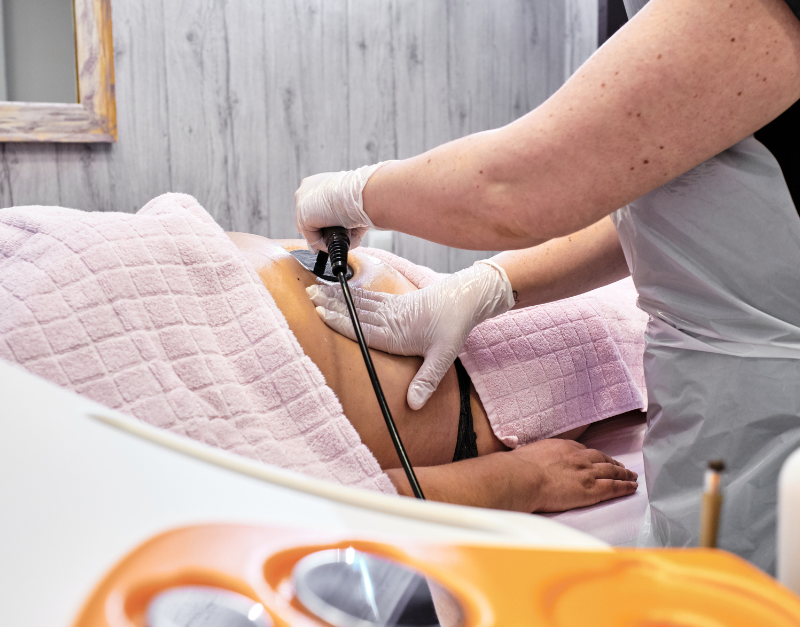
Unlocking the Heat: Understanding Shortwave Diathermy (SWD) in Physiotherapy Harnessing High-Frequency Alternating Currents for Healing Shortwave diathermy (SWD) is a treatment method that generates heat within the body’s tissues using high-frequency alternating currents. When used correctly, this heat can provide a variety of physiological advantages, making SWD a powerful tool in physiotherapy. How Does Shortwave Diathermy (SWD) Work? Electromagnetic Waves and Tissue Healing Shortwave treatment uses high-frequency electromagnetic radiation that enters the patient’s body and is absorbed by the tissues. This contact causes ions to move, resulting in friction, which lowers joint discomfort and promotes soft tissue healing. Continuous Shortwave Diathermy (CSWD) and Pulsed Shortwave Diathermy (PSWD) are the two primary modalities of SWD, each with specific thermal and athermal effects. Parameters of SWD Treatment Fine-Tuning the Therapy Understanding and changing SWD parameters is critical to its success: Physiological Effects of SWD Beyond the Surface: Healing from Within SWD converts electromagnetic waves into heat as they pass through biological tissues using condenser plates or induction coils. The physiological impacts are significant: Benefits of Shortwave Diathermy (SWD) Maximizing the Therapeutic Arsenal SWD combines effortlessly with other physiotherapy methods, providing a comprehensive approach to rehabilitation. Key advantages include reduced pain and inflammation. Conditions Treated by SWD A Versatile Solution for Musculoskeletal Woes SWD is applied across a spectrum of musculoskeletal conditions, including: Contraindications of SWD Knowing When to Pause To ensure the safety of patients, physiotherapists must be aware of contraindications, including: Side Effects of SWD Balancing the Benefits with Caution While SWD is typically safe, it does pose certain dangers, including: Precautions for Safe SWD Application Ensuring a Secure Treatment Environment Physiotherapists must do the following to improve safety during SWD treatment: SWD is a formidable ally in the Gold Medal physiotherapist‘s armoury, providing a varied and successful approach to addressing musculoskeletal disorders. However, to provide a safe and productive therapeutic experience, its implementation necessitates a detailed grasp of limitations, precautions, and contraindications. SWD has enormous therapeutic potential when used with care and knowledge, offering comfort and healing to needy individuals. FAQs
Muscle stiffness is a common condition that affects people of all ages. It is characterized by tightness and difficulty moving, especially after periods of rest. While it normally goes away on its own, prolonged stiffness may be an indication of underlying concerns that need to be addressed. In this blog, we’ll look at the causes, risk factors, preventative measures, and treatment choices for muscular stiffness. The physiotherapy treatment for muscle stiffness is very affordable in Gurgaon at Gold Medal Physiptherapy, you should check it out. Causes of Muscle Stiffness: Unraveling the Knots Muscle stiffness can be caused by a variety of circumstances, including exercise, physical exertion, or even chronic inactivity. Sprains and strains are common culprits, producing pain that can be relieved with home treatments and stretching. Some disorders, however, need extra attention. This illness, which is more common in those over the age of 70, can cause stiffness, particularly in the upper torso, shoulders, neck, arms, and hips. Both disorders are associated with chronic weariness and muscular discomfort, both of which contribute to stiffness. A variety of external sources, such as bug bites, illnesses, or exposure to excessive heat or cold, can cause muscle stiffness. Serious bacterial infections, such as tetanus and meningitis, can cause muscular stiffness, along with other concerning symptoms such as trouble swallowing or a stiff neck. Identifying Risk Factors: Who’s Prone to Muscle Stiffness? Infants, young children, and anyone over the age of 65 are at a higher risk of experiencing muscular stiffness. Along with it, heavy alcohol intake, and illnesses such as hypothyroidism can all increase the likelihood of having muscular stiffness and cramps. Preventive Measures: Taking Strides Towards Flexibility Maintaining a healthy lifestyle can help avoid muscular stiffness. Here are some muscle stiffness preventative steps to think about: To reduce unneeded muscular strain, make sure your furniture at home and work promote healthy posture. To counteract stiffness, incorporate breaks within your regimen. To keep your muscles supple, stand up, stretch, and go for brief walks. Stay hydrated and eat a well-balanced diet high in calcium and magnesium for maximum muscular health. When to Seek Medical Help: Warning Signs to Look Out For While muscular stiffness is usually harmless, certain symptoms need medical attention. If the stiffness persists or is accompanied by fever, acute weakness, edema, or discomfort, seek immediate medical attention. These symptoms may signal an underlying illness that needs a comprehensive examination. Treatment Overview: Unraveling the Knots Seeking medical treatment while experiencing recurrent muscular stiffness is critical. To determine the core reason, your doctor will do a thorough examination, which may include blood tests, X-rays, or scans. The diagnosis determines treatment and may include anti-inflammatory drugs to relieve discomfort. Gold Medal Physiotherapy Home Treatments: Soothing Stiff Muscles Naturally Gold Medal Physiotherapy Home treatments might be beneficial in mild situations. Common practices include rest, massage, and the administration of heat or cold. Heat may be better for tight muscles, although cold might help reduce swelling and inflammation. Stretching on a regular basis, warm baths, and focused massages can all help with muscular flexibility and general comfort. Gold Medal Physiotherapy Treatments: A Guided Approach to Flexibility Physiotherapy is an effective treatment option for both muscle and joint discomfort. Gold Medal Physiotherapists can improve joint range of motion, muscle length, and discomfort and give self-management skills through exams, recommendations, and tailored treatments. Joint mobilization, range of motion exercises, and acupuncture can all be used to relieve stiffness successfully. To summarise, understanding muscular stiffness entails identifying its causes, identifying risk factors, and implementing preventive measures. While many instances may be treated by physiotherapy at home, persistent or severe symptoms necessitate expert care. Individuals should aim for flexibility and general well-being by taking a proactive approach to muscle health, including frequent exercise, eating a balanced diet, and getting timely medical care when necessary. FAQs Muscle stiffness can be caused by a variety of medical disorders. Mentioned here SPS is a rare neurological condition characterised by growing muscular stiffness and repeated painful spasms. Muscle stiffness can also develop when muscles are overused. Is muscular stiffness a cause for concern? Stiffness is visible when muscles are tight, difficult to move, and produce discomfort. This is frequently accompanied by cramping and pain, but simple treatments can quickly relieve the discomfort. Which vitamins are helpful for reducing muscular stiffness? Incorporating vitamins B12, C, and D into your diet can help prevent and relieve muscular stiffness.


Quality Treatment With Super Affordable Price
Call us anytime