


Quality Treatment With Super Affordable Price
Best Physiotherapy Treatment India

Call us anytime
Write a mail
Understanding Crepitus: The Cracking Sound in Joints and Its Management Have you ever heard a popping or cracking sound coming from your joints? Crepitus is a somewhat frequent and often innocuous occurrence. Understanding its origins, preventive actions, and when to seek medical care, on the other hand, is critical for sustaining joint health. In this article, we’ll look at the complexities of crepitus, look into its probable causes, and talk about preventive measures and physiotherapy treatments at affordable cost. What is Crepitus? Crepitus, often known as joint cracking, is an audible or tactile sound caused by tissues rubbing together unnaturally during joint movement. Contact with air, fluid, or bone can cause this. A rough surface of a joint rubbing together, for example, might produce a popping or cracking sound. Air escaping from the sinuses can also contribute to this condition, especially in the event of facial bone fractures. Causes of Joint Cracking While the majority of crepitus occurrences are innocuous, some varieties may signal underlying problems. The following are some of the most common causes of Joint Cracking: Harmless popping happens when air penetrates the soft tissues around a joint, and the bubbles burst as the joint moves. Tendon or ligament breaking over bony bones can induce discomfort and crepitus. Crepitus can be caused by osteoarthritis or rheumatoid arthritis, which causes deterioration of the articular cartilage of a joint. PFS, often known as runner’s knee, is characterised by crepitus and soreness below the kneecap that is frequently exacerbated by increased activity levels. Sports injuries, falls, and accidents can all produce cartilage rips, which can lead to severe crepitus. Preventive Measures for Joint Cracking Prevention is essential for sustaining joint health. Consider the following precautions: If crepitus occurs while exercising, adapt rather than discontinue the activity. Avoid running on inclines or slopes, for example. When riding a bicycle, keep the pedal tension low to prevent joint stress. Concentrate on the quadriceps or hamstring muscle groups during weightlifting. Lift lower weights and do more repetitions as it will create tension in your muscles. Wear shoes that are supportive and cushioning for your joints. Warm up before exercise and stretch afterwards to improve joint flexibility. A healthy body weight decreases knee stress, resulting in better joint health. Walking and swimming are great exercises for strengthening leg muscles and improving knee health. When to Seek Medical Help Seeking medical treatment is crucial if crepitus is accompanied by pain, oedema, or periods of joint catching or locking. Crepitus that continues or worsens, particularly when accompanied by additional symptoms such as redness, numbness, or weakness, should be checked by a physician. X-rays and MRIs can help doctors diagnose arthritis and soft tissue injuries. Physiotherapy Treatment At home for Joint Cracking at Affordable Cost As skilled healthcare practitioners, physiotherapists play an important role in examining joint disorders. If your clicking joints are accompanied by pain, stiffness, swelling, or heat, a physiotherapy evaluation can help. You can also check out cracking joint physiotherapy treatment at home. Among the treatment options available are: Electrical stimulation is used to relieve pain and promote recovery. Tiny needles are used to stimulate particular locations to decrease pain and inflammation. Exercises designed to increase joint flexibility. Exercises are designed to strengthen the muscles that support the afflicted joint. Individuals are being educated on how to handle and prevent future problems. Exercises that promote proprioception are used to improve joint stability. Understanding crepitus and its various causes is critical for joint health maintenance. While many incidences of joint cracking are unimportant, persistent or painful, crepitus should not be overlooked. Individuals can address any underlying concerns by taking preventative actions and obtaining prompt medical care. Gold Medal Physiotherapy, with its wide range of effective treatments, may play a critical role in controlling and preventing joint cracking, assuring long-term joint health. FAQs What causes an excess of joint popping? Joint popping can be caused by a variety of events, such as ligament stretching and releasing or the compression of nitrogen bubbles inside joint spaces. Which vitamins can help with joint cracking? This is addressed by a number of helpful substances. MSM, Glucosamine, Chondroitin, Tamarind seed, and other supplements are examples. What do these cases of joint cracking imply? In the early stages of illnesses such as bursitis, tendinitis, or arthritis, painful joint cracking or popping is a key symptom.
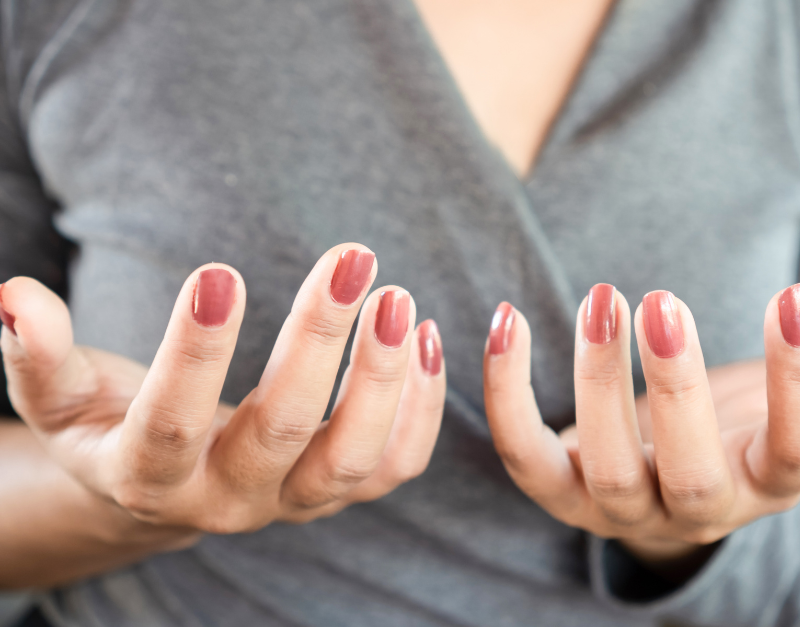
There are times when the threads of our bodies’ delicate tapestry tear, and we experience an unexplainable sense of numbness and tingling. These strange prickles may dance down our limbs or remain, requiring our attention. What is the source of this enigmatic occurrence, and how can we unravel the network of causes, hazards, and solutions? Let us take a voyage through the terrain of numbness and tingling, investigating its many causes and revealing the preventative measures and therapies that may help us regain our balance. Understanding the Puzzle of Numbness And Tingling : Numbness and tingling are mysterious feelings that can occur anywhere in the body, from the tips of our toes to the tips of our fingers. We frequently experience these emotions when we sit with our legs crossed or succumb to the brief immobility of a sleeping arm. When these symptoms continue without a clear explanation, they may indicate an underlying illness such as multiple sclerosis or carpal tunnel syndrome. Causes of Numbness and Tingling: The many causes of numbness and tingling weave a complicated tapestry, with ordinary activities as well as unanticipated situations contributing to the experience. Consider the following possibilities: Numbness And Tingling Risk Factors: Certain risk factors make people more prone to chronic numbness and tingling. These elements are as follows: Preventive Measures: While the reasons for numbness and tingling vary, adopting good lifestyle practices can help avoid them. Consider the following precautions: When to Seek Medical Attention: While numbness and tingling are normal, certain symptoms require rapid medical treatment. Seek immediate medical attention if you have any of the following symptoms: Numbness And Tingling Treatment Overview: To address chronic numbness and tingling, a thorough strategy is required. Expect your doctor to perform a thorough assessment and to request appropriate testing. Blood tests, imaging examinations, and nerve conduction studies are examples of these. Depending on the diagnosis, medications such as gabapentin, pregabalin, and amitriptyline may be recommended. Numbness And Tingling Physiotherapy Treatment Near Me: Physiotherapy treatment at affordable cost emerges as an important factor in the fight against numbness and tingling. A physiotherapist will do a thorough examination, using methods such as electromyography to confirm nerve damage. Treatment options may include: Numbness and tingling are simply transitory notes in the symphony of our physiological senses, occasionally warning us of deeper abnormalities. We may restore balance to our bodily well-being by unravelling the secrets of these feelings, identifying their origins and hazards, and embracing preventative actions and therapies. So, equipped with information, let us go on this trip to navigate the complicated paths of our bodies and recapture the rhythm of vitality. This holistic examination, in collaboration with Gold Medal Physiotherapy, uncovers the complexity of numbness and tingling, providing a route to restore vitality via full understanding and effective therapies. Frequently Asked Questions What causes numbness and tingling sensations? Numbness and tingling feelings can be caused by one or more of the following factors: What is the best way to cure tingling and numbness? Among the potential treatments for tingling and numbness are: Is physical therapy effective for numbness and tingling? Physical therapy has been shown to be an effective treatment for numbness and tingling symptoms. Physical therapy can give comfort by combining stretching and strengthening exercises with other physiotherapy treatments such as massage or electrical stimulation. What is the normal timeline for noticing improvements in numbness and tingling feeling relief with physical therapy? The period of recovery from numbness and tingling might range from a few days to many weeks, depending on the underlying source of the symptoms. Which forms of physical therapy can help with numbness and tingling? Aerobic activities, stretching exercises, strengthening exercises, massage treatment, and electric stimulation are all effective physical rehabilitation approaches. TENS treatment, a common physiotherapy method, is effective in reducing numbness and tingling.
According to the World Health Organisation (WHO), this inflammatory illness of the lungs poses a severe danger to public health, claiming roughly 2 million lives each year. As we observe this day, it is critical to investigate the entire strategy necessary to battle pneumonia, particularly emphasizing the often-overlooked function of physiotherapy. Understanding Pneumonia: A Global Health Concern Pneumonia is caused by bacteria, viruses, or fungi and is characterized by inflammation of the air sacs in the lungs. Coughing, trouble breathing, fever, and chest discomfort are some symptoms. The shocking fatality rate connected with pneumonia emphasizes the disease’s crucial significance as a worldwide health problem. Physiotherapy: An Integral Component of Pneumonia Management Physiotherapy emerges as an unsung hero in the fight against pneumonia, providing a holistic approach to prevention, care, and rehabilitation. While pharmacological therapies such as antibiotics and vaccinations are critical, physiotherapy supplements these treatments by treating the disease’s physical consequences and fostering healthy respiratory function. Respiratory Exercises and Breathing Techniques: Unlocking Lung Capacity Through various respiratory exercises and breathing methods, physiotherapists play a critical role in increasing lung capacity and improving ventilation. These exercises help clear airway secretions and reduce lung problems, allowing for a faster recovery. Patients with pneumonia frequently have shallow breathing patterns, which physiotherapists work hard to address, ensuring effective engagement of respiratory muscles. Chest Physiotherapy: Mobilizing Healing Manual methods are used in chest physiotherapy to remove mucus and promote productive coughing. This is especially advantageous for people with pneumonia when secretions can build up in the lungs. Physiotherapists mobilize and evacuate these fluids using tapping, percussion, and vibration, lowering the risk of problems and speeding up the healing process. Posture and Mobility: Foundations of Recovery Individuals recuperating from pneumonia must maintain an ideal posture. Physiotherapists evaluate and recommend exercises that improve posture, prevent respiratory strain, and improve lung function. Furthermore, increasing movement is critical to avoiding problems such as pneumonia-related weakness and ensuring people regain strength and independence. Patient Education: Empowering Individuals for Self-Management Physiotherapy goes beyond hands-on interventions to equip patients with self-management information and skills. Physiotherapists teach people effective breathing methods, the value of keeping active throughout recovery, and prevention strategies. This knowledge enables patients to engage in their rehabilitation and make good lifestyle choices actively. Preventive Physiotherapy: Reducing the Incidence and Severity Physiotherapy is used not only to cure symptoms but also to prevent them. Individuals at risk of pneumonia, such as those with poor respiratory function or chronic illnesses, are worked with by physiotherapists to establish personalized fitness and lifestyle strategies. Physiotherapy helps reduce pneumonia’s occurrence and severity by proactively addressing risk factors. It is critical to recognize the varied character of the pneumonia struggle. While vaccinations and antibiotics are essential components of medical treatment, a comprehensive strategy for pneumonia care would be inadequate without understanding the critical function of physiotherapy. Gold Medal Physiotherapy is pneumonia champions, offering complete therapy that addresses urgent respiratory problems and long-term rehabilitation. Physiotherapy has become essential to pneumonia care through respiratory exercises, chest physiotherapy, posture correction, and patient education. By advocating for the incorporation of physiotherapy into pneumonia management techniques, we may improve the overall efficacy of healthcare interventions, lowering the worldwide burden of pneumonia and increasing the quality of life for people suffering from this respiratory condition. Let us recognize and honour the unsung heroes of the pneumonia fight: the physiotherapists who work hard to guarantee that every breath is a step towards a better, pneumonia-free future.


Quality Treatment With Super Affordable Price
Call us anytime