


Quality Treatment With Super Affordable Price
Best Physiotherapy Treatment India

Call us anytime
Write a mail
Men who are navigating life’s ups and downs face various health concerns that require careful attention. The male body requires specialised care to function properly, whether it’s the stresses of physically demanding activities or the complications of ageing. In this article, we will discuss the critical role of physiotherapy in managing numerous medical disorders that affect males, as well as giving focused therapies to promote recovery and general well-being. Musculoskeletal Disorders Musculoskeletal diseases are at the forefront of physiotherapy’s influence on men’s health. The male body typically suffers the burden of physical activity, from sports injuries to chronic illnesses like arthritis. With its arsenal of joint mobilisation, therapeutic exercises, and manual treatment, physiotherapy has become essential in restoring pain and function. Men must participate in physically demanding hobbies or sports since injuries can jeopardise musculoskeletal health. Physiotherapy, via personalised interventions, improves rehabilitation and avoids long-term consequences. Cardiovascular Conditions Heart disease continues to be a significant hazard to men’s health across the world, emphasising the importance of comprehensive cardiac treatment. Physiotherapy has evolved as an essential component of cardiac rehabilitation programmes, providing personalised exercise regimens to increase cardiovascular fitness and lower the risk of future attacks. Physiotherapy, which focuses on aerobic exercises, weight training, and endurance activities, helps men restore confidence in their physical skills, thereby improving their overall quality of life following heart surgery or a heart attack. Respiratory Disorders COPD and asthma, for example, have a substantial influence on men’s respiratory health, impairing everyday activities and overall quality of life. Breathing exercises, chest physiotherapy, and pulmonary rehabilitation are physiotherapy procedures that aim to enhance lung function and respiratory muscle strength. Physiotherapists progressively improve lung capacity with personalised exercise routines, allowing men to manage symptoms more effectively and live more fully. Prostate Health and Pelvic Floor Dysfunction Prostate problems are frequently associated with pelvic floor dysfunction, resulting in urine incontinence, pelvic discomfort, and sexual dysfunction. Physiotherapy is vital in resolving these difficulties through focused exercises, manual treatment, and lifestyle changes. Physiotherapists help men relieve symptoms and improve overall pelvic floor function by strengthening and synchronising pelvic muscles, contributing to better urine and bowel function. Neurological Disorders Stroke, Parkinson’s disease, and multiple sclerosis all have a significant influence on men’s movement and neurological function. As a cornerstone in the interdisciplinary approach to treating these disorders, physiotherapy includes targeted workouts, gait training, and balancing exercises. Physiotherapy promotes emotional and physical well-being by establishing a sense of success and self-efficacy, which is essential for sustaining independence in everyday tasks.Physiotherapy is emerging as a diverse and successful method for treating a wide range of medical issues that affect males. Gold Medal Physiotherapy is tailored to each individual’s specific needs, ranging from musculoskeletal diseases to cardiovascular concerns, respiratory ailments, prostate health, and neurological disorders. Physiotherapists contribute considerably to the well-being and quality of life of men experiencing various health difficulties by concentrating on boosting mobility, lowering pain, and improving general function. As men become more aware of the transformational power of physiotherapy, they are more likely to seek out and benefit from these personalised and holistic therapies, paving the way to more excellent health and wellness.
The essence of living a full and healthy life is carefully woven into the fabric of our everyday decisions. Sedentism, with lengthy hours spent in chair-bound lethargy, progressively depletes our energy. It is critical that we launch a global effort to shed light on the complexities of diabetes—its preventive measures and the obstacles faced by individuals living with the disease. We must emphasise the critical need of achieving universal access to comprehensive diabetes care, regardless of socioeconomic position. This investigation dives into the importance of this topic, providing light on the transforming role that physiotherapy plays in preventing and treating blood sugar changes. Understanding the Diabetes Epidemic Diabetes has become a global health problem, impacting millions of people worldwide. According to the International Diabetes Federation (IDF), 537 million individuals will have diabetes by 2021, with forecasts of 643 million by 2030 if strong measures are not implemented quickly. Diabetes is exacerbated by a lack of access to proper healthcare, particularly in low-income populations. Diabetes treatment goes beyond pharmaceuticals to include holistic support systems that address the disease’s multidimensional character. Role of Physiotherapy in Diabetes Care Physiotherapy, which is sometimes overlooked in the context of diabetes treatment, emerges as a critical component in both prevention and management. Physical activity is essential in preventing type 2 diabetes, and physiotherapy provides personalised exercise programmes that dramatically reduce the chance of getting the illness. Regular physical exercise is essential for living a healthy lifestyle and avoiding the onset of diabetes. Physiotherapists design exercise programmes that are adapted to individual needs, with an emphasis on achievability and sustainability. These programmes aim to lose weight and increase insulin sensitivity, blood glucose levels, and general cardiovascular health. Physiotherapists serve as instructors and encourage people to include physical exercise in their everyday lives. Inclusive exercise programmes are developed for people of all ages and fitness levels, removing obstacles to participation. For those who already have diabetes, physiotherapy can help them manage the difficulties that come with it. Diabetes can cause neuropathy, cardiovascular problems, and musculoskeletal problems. Physiotherapists use a multidisciplinary approach that includes exercises, physical treatment, and teaching lifestyle changes. Physiotherapy helps people with diabetes maintain an active lifestyle and avoid secondary issues by concentrating on mobility, strength, and balance. The availability of physiotherapy services guarantees continued assistance for optimal condition management. Diabetes care extends beyond physical measures to include educating persons about their illness. Physiotherapists inform patients about the need for regular physical activity, the function of exercise in blood sugar regulation, and the importance of lifestyle changes for general well-being. Physiotherapists play an essential role in organising outreach programmes and seminars in areas with restricted access to information. These projects improve diabetes awareness and encourage people to take charge of their health. “Access to Diabetes Care” emphasises the need for diversity in healthcare. Physiotherapists modify therapies to suit individuals with various abilities and limitations, ensuring that everyone, regardless of physical condition, may benefit from physiotherapy services. Physiotherapists contribute to comprehensive care by collaborating with other healthcare providers. Integrating physiotherapy within the diabetes care team increases treatment efficacy and the quality of life for people with diabetes. Access to Gold Medal Physiotherapy treatments can have a substantial influence on the lives of people with diabetes by removing obstacles to care and supporting a holistic health approach. Let us not forget the transforming potential of physiotherapy as we strive for a future where everyone has equitable access to diabetes treatment. We empower individuals, improve their quality of life, and contribute to the worldwide effort to combat the diabetes pandemic by incorporating physiotherapy into diabetes care techniques. We are paving the road for a healthier and more accessible future for all by increasing awareness, education, and inclusion.
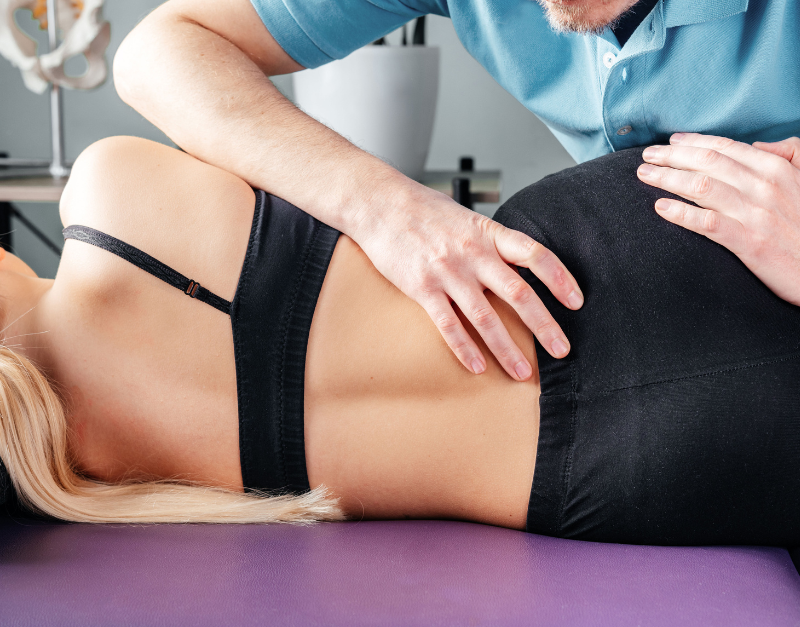
Sacroiliac joint discomfort, often known as SIJ pain, is a common musculoskeletal problem affecting people worldwide. This disorder can cause discomfort, hip pain, limited mobility, and significantly reduced quality of life. Fortunately, physiotherapy has emerged as an essential technique for evaluating and treating sacroiliac joint discomfort, providing a non-invasive and comprehensive approach to treating this issue. In this article, we will look into the sacroiliac joint and the critical function that physiotherapy plays in its relief. Understanding the Sacroiliac Joint The sacroiliac joint in the pelvis joins the triangular bone at the base of the spine (sacrum) to the pelvic iliac bones. This joint, which serves as a pivot point for movement such as walking, standing, and sitting, is critical in transferring forces between the upper and lower bodies. The sacroiliac joint is a stabilising mechanism held together by strong ligaments and surrounded by a complex network of muscles. Various circumstances, including a sudden injury, hormonal changes during pregnancy, ageing, and inflammatory disorders, can cause sacroiliac joint discomfort. Common symptoms include localised pain in the lower back, buttocks, and thighs, stiffness in the afflicted joint, and difficulties completing everyday tasks. Role of Physiotherapy in Sacroiliac Joint Pain Physiotherapy is an integral part of the treatment approach for sacroiliac joint discomfort to relieve pain, restore function, and improve overall quality of life. Here’s how physiotherapy can help with SIJ pain management: Massage Therapy Physiotherapists use manual treatments to treat joint problems and muscle imbalances. Joint mobilisation, soft tissue manipulation, and stretching exercises may relieve discomfort and improve joint mobility. Physiotherapists can provide substantial alleviation for those suffering from SIJ discomfort through hands-on assistance. Exercises to Build Muscle Exercises are advised to strengthen the muscles surrounding the sacroiliac joint, hence improving stability and support. Targeting the core and hip muscles helps minimise joint tension, resulting in a slow but significant improvement in the patient’s condition. Exercises for Stretching Tense muscles frequently cause SIJ discomfort. Stretching exercises are included in the treatment plan by physiotherapists to enhance flexibility and relieve tension in the afflicted area. These exercises are critical in regaining maximum function and comfort. Postural Training Educating patients on good posture and body mechanics is essential to SIJ pain treatment. It involves instruction in sitting, standing, and lifting methods. Patients can prevent the aggravation of SIJ discomfort and enhance long-term well-being by incorporating good posture into everyday activities. Pain Management Techniques To relieve pain and inflammation, physiotherapists use various pain treatment methods such as thermotherapy, cryotherapy, TENS, laser therapy, and ultrasound. These tactics provide alleviation while also contributing to the overall efficacy of the physiotherapeutic approach. Orthotics In some circumstances, custom orthotics may be prescribed to give extra support and alleviate pressure on the sacroiliac joint. This personalised approach guarantees that each patient receives care customised to their specific requirements and conditions. Rehabilitation of Function Physiotherapists aid patients through functional rehabilitation as they proceed through their therapy. It includes assisting people in returning to their usual daily activities and, if appropriate, customising rehabilitation to specific sports or leisure activities. This tailored approach guarantees that patients recover and return to their busy lifestyles. Sacroiliac joint pain can be painful, but physiotherapy provides a holistic and non-invasive approach to diagnosing and treating it. Physiotherapists play an essential role in restoring comfort and mobility to persons suffering from SIJ discomfort by correcting muscle imbalances, enhancing joint stability, and empowering patients with self-management measures. If you or someone you know is suffering from sacroiliac joint pain, obtaining expert help from a Gold Medal Physiotherapy might be the first step towards living a pain-free and active lifestyle. Remember that the route to comfort begins with comprehension and proactive management with physiotherapy.


Quality Treatment With Super Affordable Price
Call us anytime