


Quality Treatment With Super Affordable Price
Best Physiotherapy Treatment India

Call us anytime
Write a mail
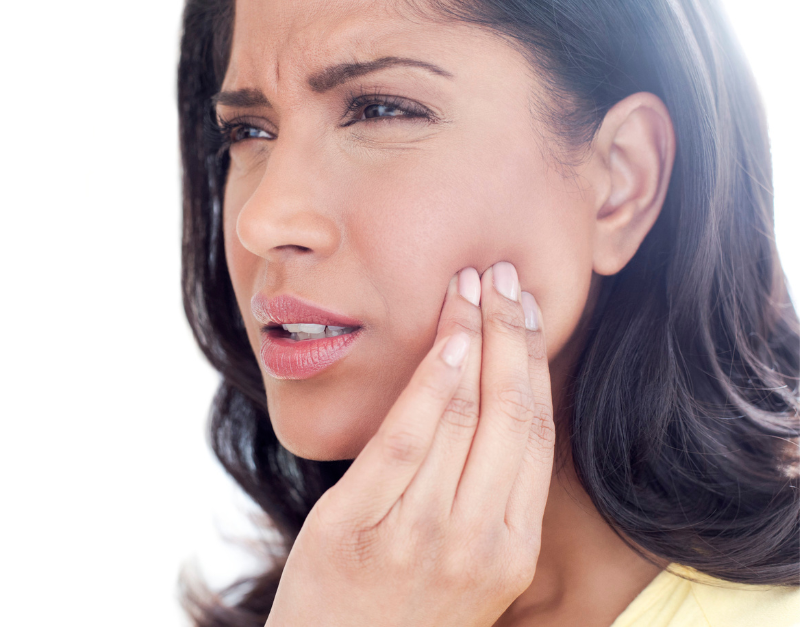
Which Therapies Can You Use For TMJ Manipulation? TMJ issues impact 5 out of every 100 persons and can be severe. One in every five TMJ patients seeks treatment. TMJ therapy may be expensive and impose a significant socioeconomic hardship on the client. Physiotherapy at home, chiropractic, and splint therapy are available. Tempero-mandibular disorders (TMD) can result in various symptoms, such as headaches, ringing in the ears (tinnitus), face discomfort, and neck pain. TMD can result in considerable functional constraints, such as the inability to consume hard foods or yawn comfortably and persistent, intractable pain. TMD is categorized into many groups based on the pathology; the most prevalent diagnoses include TMJ discomfort of myofascial origin, intraarticular disc subluxation with relocation, intraarticular disc subluxation without relocation, arthritis, capsulitis, and sprain/strain. Patients’ therapy options can be complicated as well as costly. Physical therapy at home with Gold Medal Physiotherapy can be a low-cost and effective treatment option for TMD sufferers. Biological treatment and splint therapy have frequently been contrasted in studies, with splint therapy proven more beneficial than physical therapy. Physical treatment in this research was confined to ultrasonography and exercises. A physical therapist does far more than provide US and practices. A physical therapist who specializes in TMJ treatment has a toolbox full of treatments such as manual therapy, manipulation, postural retraining, iontophoresis, ASTYM, soft tissue mobilization techniques, and guided relaxation. This blog aims to educate patients on the efficacy of various treatments used by physical therapists and certain self-management strategies. Anatomy of the TMJ and the associated muscles. Exercise therapy: PTs frequently recommend exercises for self-management, to establish a balance/relax the muscles of mastication, to enhance neuromuscular coordination, mobility, and to counteract joint clicking. Moraes et al. discovered activities useful for treating muscular TMD’ in a systematic analysis of 7 studies that explored therapeutic exercises for TMD, which included stretching, relaxing, coordination, strengthening, and endurance. Soft tissue mobilization: A professional and trained TMJ therapist must employ intra-oral methods. Localizing and treating the Lateral pterygoid, frequently a source of discomfort for patients, is highly difficult. The lateral pterygoid has been demonstrated to be difficult to find and treat. However, with sufficient training in intra-oral finger insertion, the trigger point may be identified and treated. Most studies have found soft tissue mobilization ineffective as a stand-alone therapy for jaw discomfort. Manual Therapy: Manual physical therapists treat TMD with various joint mobilization and high-velocity thrust procedures. A few studies have indicated that when combined with a home exercise regimen, there is a considerable increase in jaw mobility and pain reduction. These findings are intriguing since joint mobilization may treat the deep muscles of the jaw more effectively than soft tissue mobilization approaches. Joint manipulations: Jaw and upper neck joint manipulations have been demonstrated to enhance jaw mobility and reduce pain in treating jaw discomfort. While spinal manipulation targeting the upper cervical spine has been proven to improve pain and motor function in TMD patients, the long-term effects are unclear. However, considering that Dunning et al. observed a substantial improvement in neck discomfort, disability, and motor function of the deep cervical neck flexors 48-h after spinal manipulation at C1-C2 and T1-T2 vs. grade IV mobilization, the effects are unlikely to be transitory. Dry needling and acupuncture: Acupuncture and dry needling can help patients regulate their discomfort and increase mobility. Few studies have indicated that frequent dry needling reduces pain and improves mobility in TMD patients. The chart depicts the many spots that are commonly utilized in dry needling. ST7 is significant because it targets the inferior bundle of the lateral pterygoid. Masseter and temporalis muscles are frequently implicated in TMD patients, and treating them may give positive outcomes. Traditional acupuncture has been demonstrated to be useful in people suffering from jaw osteoarthritis. Several studies have found that increased blood flow to joints due to acupuncture may assist the recruitment of opioid-producing immune cells needed to lower inflammatory cytokines. There is also evidence that acupuncture may improve hyaluronic acid levels, allowing synovial fluid to lubricate the joint better. Given Scully’s TMD mechanism, it may be especially beneficial to target classic acupoints GB2 and SI19, which are physically positioned immediately above the TMJ posterior capsule. Electrotherapy: PTs frequently employ modalities such as TENS, US, iontophoresis, and interferential treatment. TMD is also treated by physiotherapists using ultrasound and laser. Even though no strong data supports using these electrotherapeutic modalities, PTs never utilize them as a stand-alone treatment. Splint therapy: Even though PTs are not part of the PT’s treatment plan, we believe patients must grasp the advantages of splint therapy. Al-Ani et al. discovered inadequate evidence to support the use of splint therapy for TMD treatment in a 2004 Cochrane study. Niemela observed that splint therapy, counseling, and masticatory muscle exercises were no more helpful than counseling and masticatory muscle exercises alone after treating 80 consecutive TMD patients. Similarly, Nagata et al. discovered no additional short-term effect of splint therapy in TMD patients receiving multi-modal treatment (self-exercise, cognitive therapy, self-management education, and manipulation). Quintus et al. looked at the long-term effects of splint therapy. After one year, 27.6% of TMD patients who underwent splint therapy and 37.5% of TMD patients who received counseling and directions for strengthening masticatory muscle exercises reported very good’ therapeutic outcomes, respectively. Even though 16/40 individuals in the counseling and exercise group were shifted to the splint therapy group due to unpleasant TMD symptoms, both groups saw a moderate decrease in pain. Furthermore, splint treatment did not outperform counseling and self-exercise recommendations. Conclusion: This data shows minimal evidence supports splint therapy, strengthening exercises, electrotherapy, and massage in treating TMD. According to the research, a combination of mobilization and manipulation of the neck and jaw, dry needling, and acupuncture or electro-acupuncture can be beneficial in treating TMD.TMD is managed by therapists, chiropractors, and massage therapists at Gold Medal Physiotherapy in Gurgaon.
Are You Having Ankle Bone Spur? – Read The Treatment A bone spur is an additional bone growth. It usually appears when two or more bones come together. As the body attempts to mend itself, these bony extensions develop. Under the skin, bone spurs might feel like a hard lump or bump. With age, the likelihood of getting a bone spur in the foot rises. The severity determines the influence on your daily routine. Some people are unaware that they have a bone spur on their foot. Others suffer from terrible agony, making walking, standing, or wearing shoes impossible. It is very important for every person to get the best ankle bone spur treatment in Gurgaon and at very affordable price range. What is an Ankle Bone Spur? Ankle bone spurs, or osteophytes, are bony outgrowths on the ankle joint’s bones. They are a frequent orthopedic problem that can cause discomfort, pain, and mobility restrictions in the afflicted region. These spurs usually result from constant wear and tear, which is frequently connected with joint degeneration, arthritis, or recurrent stress on the ankle joint. As ankle bone spurs develop, they can cause inflammation, edema, and discomfort around the joint, making daily tasks difficult and lowering the overall quality of life. Although ankle bone spurs can afflict people of any age, they are more common in older people, particularly those with a history of joint problems. Causes of Ankle Bone Spur Ankle bone spurs, also known as osteophytes, form due to various circumstances that produce constant stress and irritation to the ankle joint. The following are the most common causes of ankle bone spurs: To avoid future problems and properly manage the symptoms of ankle bone spurs, the underlying cause must be addressed. Symptoms of Ankle Bone Spur Ankle bone spurs can cause various symptoms, the severity of which varies based on the size and position of the trigger, as well as the underlying reason. Ankle bone spurs are commonly related to the following symptoms: Diagnosis: The examiner questions the patient’s medical history and does certain physical tests to determine the origin of the discomfort. X-ray: X-rays can identify the formation of bone spurs and highlight deterioration. The X-ray also shows the space between the bones. CT scan: A CT scan is one of the most useful procedures for detecting the bone spur and showing how the bone outgrowths harm the neighboring soft tissues. MRI stands for magnetic resonance imaging. Magnetic resonance imaging is a sensitive diagnostic tool. It facilitates the evaluation and recognition of changes in the bones and tissues. It can also be used to make bone spurs noticeable. Ultrasound imaging: Ultrasound imaging may detect bone spurs and the muscles and ligaments surrounding joints. In situations with bone spurs, the ligaments may be stretched or even torn. Physiotherapy Treatment Cryotherapy: Either ice treatment or cryotherapy can effectively cure chronic heel spurs. It can be used to relieve pain and inflammation. Thermotherapy: Thermotherapy helps relax tight muscles while increasing circulation and oxygen flow to the affected region. Heat treatment may also help with exercise-related discomfort. Low-level laser therapy (LLLT) is effective in treating heel spurs. Massage: Because deep tissue massage promotes blood flow and eliminates toxins, it may benefit heel spurs. Ultrasound: Therapeutic ultrasonography has been found to alleviate pain and edema successfully. Extracorporeal Shock Wave Therapy (ESWT): To relieve pain and edema, physiotherapists use ESWT, a cutting-edge technological modality. Assistive Devices: Walking or standing with a cane or crutches can assist in unloading weight from the afflicted ankle. Night Splints: A night splint maintains the ankle’s 5-degree dorsiflexion for a few weeks. Patients experience short relief from heel pain when a night splint is utilized as part of conservative therapy. Heel Inserts: Heel implants relieve tension by equally distributing pressure throughout the heel, reducing discomfort and inflammation caused by heel spurs. Orthotics: Custom orthotic inserts or supportive footwear can assist in distributing pressure evenly and alleviate ankle joint strain. Modification of Footwear: Appropriate footwear relieves heel pain and spurs by correcting overpronation, fallen arches, and flat feet. Stretching, both passive and active: Muscular strengthening and stretching activities can help decrease inflammation around the spur. The treatment regimen for symptom alleviation may last 6 to 12 months. How can ankle bone spur risk be decreased? Conclusion Ankle bone spurs, also known as osteophytes, are bony outgrowths that form on the bones of the ankle joint due to normal wear and strain, joint degeneration, or repeated stress. They can cause discomfort, swelling, reduced range of motion, and diminished joint function, impacting a person’s daily activities and overall quality of life. Early detection and treatment are critical for properly controlling ankle bone spurs. Conservative therapies such as rest, physical therapy, medicines, and orthotics are frequently used to alleviate symptoms and facilitate recovery. Surgical alternatives such as arthroscopic surgery, osteotomy, joint fusion, or joint replacement may be explored in more severe situations or when conservative measures fail. Get best ankle bone spur treatment at home in Gurgaon, for more details visit Gold Medal Physiotherapy.
Erectile dysfunction (ED) is a common condition that can significantly impact a man’s self-esteem, relationships, and overall quality of life. While medical treatment options are available, many individuals are seeking natural remedies that can complement or even serve as alternatives to pharmaceutical solutions. Physiotherapy in Gurgaon can also help you cope with erectile dysfunction and restore your confidence. This article explores some of the best natural remedies for erectile dysfunction, assisting individuals to regain confidence and enhance their intimate relationships. Healthy Lifestyle Choices: Maintaining a healthy lifestyle is crucial for preventing and managing erectile dysfunction. Regular exercise improves cardiovascular health and promotes healthy blood flow, a critical factor in achieving and maintaining an erection. A balanced diet rich in fruits, vegetables, whole grains, lean proteins, and healthy fats supports overall well-being and improves sexual function. Herbal Supplements: Several herbal supplements have gained popularity for their potential to address erectile dysfunction. Among the most notable herbal supplement choices are: Acupuncture: Thin needles are inserted into specific body points during the traditional Chinese medical procedure known as acupuncture. Some studies suggest that acupuncture may improve erectile function by promoting circulation and reducing stress, which can contribute to ED. Mindfulness and Stress Reduction: It is well known that anxiety and stress can cause erectile dysfunction. Mindfulness techniques, meditation, and deep breathing exercises can help manage stress levels and improve overall emotional well-being. On sexual function, stress reduction can have a favorable effect. Regular Physical Activity: Engaging in regular physical activity is not only beneficial for cardiovascular health but also for erectile function. Exercise helps improve blood circulation, maintain healthy body weight, and regulate hormone levels—all of which play a role in sexual health. Adequate Sleep: Hormonal harmony and general well-being depend on adequate sleep. Poor sleep quality and duration can contribute to erectile dysfunction. Prioritizing good sleep hygiene can help restore healthy sexual function. Limiting Alcohol and Tobacco: Excessive alcohol consumption and smoking have been linked to erectile dysfunction. Reducing or eliminating these habits can significantly improve sexual health. Conclusion Erectile dysfunction can be a challenging condition to navigate, but there are several natural remedies that individuals can consider to help restore confidence and intimacy. While these remedies have shown promise in promoting erectile function, it’s important to note that results may vary from person to person. If you’re experiencing persistent erectile dysfunction, it’s recommended to consult a Gold Medal Physiotherapy to rule out any underlying medical conditions and receive personalized guidance. Remember that a holistic approach, encompassing healthy lifestyle choices, herbal supplements, stress reduction techniques, and open communication with your partner, can contribute to an improved quality of life and more fulfilling intimate relationships. Whether you explore natural remedies or pursue medical interventions, taking steps toward better sexual health is a positive investment in your overall well-being.


Quality Treatment With Super Affordable Price
Call us anytime