



Quality Treatment With Super Affordable Price
Best Physiotherapy Treatment India

Call us anytime
Write a mail
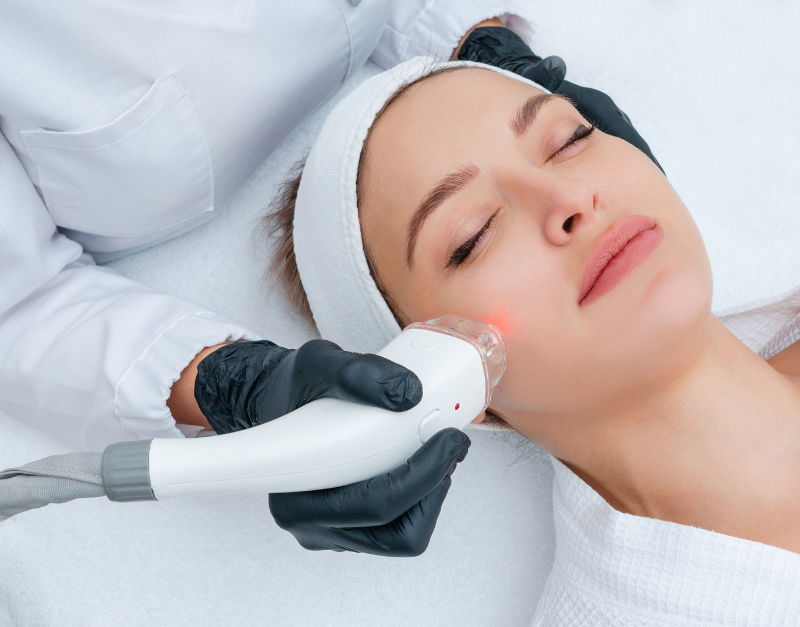
IFT Therapy for Pain Management If you’re dealing with long-lasting pain, you might have tested different solutions like medicine, physiotherapy, acupuncture, or massage. But, did you come across IFT therapy? IFT, short for Interferential Therapy, is a kind of electrotherapy that can assist you in handling pain and promoting tissue recovery. How does IFT therapy operate? The low-frequency current produced by IFT therapy delivers two primary benefits: Firstly, it prevents pain signals from reaching the brain, rooted in the gate control theory of pain. This theory suggests that stimulating non-painful nerve fibers can hinder the transmission of painful nerve impulses. Consequently, by intercepting these pain signals, IFT therapy offers rapid and enduring pain relief. Secondly, it boosts blood circulation and tissue recovery. The low-frequency current prompts muscle stimulation, causing contraction and relaxation. This dynamic process enhances blood flow, ensuring improved oxygen supply to the tissues. As a result, healing is promoted, and inflammation and swelling are reduced. What benefits does IFT therapy offer? IFT therapy holds several advantages compared to other electrotherapy methods. Firstly, it excels in reaching deeper tissues compared to alternatives like TENS (Transcutaneous Electrical Nerve Stimulation) or EMS (Electrical Muscle Stimulation). This effectiveness is particularly beneficial for addressing conditions such as osteoarthritis, sciatica, or back pain. Additionally, IFT therapy can cover a broader area, enabling the simultaneous treatment of multiple pain points. Moreover, it stands out for being more comfortable and less bothersome than other electrotherapy modalities. The medium-frequency currents it employs are subtle, causing minimal skin sensations or muscle twitching. Expert Consultant Gold MedalphysioTherapy offers expert guidance on the benefits of IFT (Interferential Therapy). Our consultancy emphasizes the effectiveness of IFT in pain management and tissue healing. We elaborate on its mechanisms, including blocking pain signals through the gate control theory and promoting enhanced blood circulation. With a focus on personalized treatment plans, we highlight IFT’s ability to reach deeper tissues and cover multiple pain points, distinguishing it from other electrotherapy modalities. Our consultations extend to using IFT as a home device under professional guidance. Discover how IFT therapy, administered by trained professionals, can be a tailored and effective addition to your pain management strategy. FAQs
Gold Medal Therapy for Dyspnea: Simplifying the Understanding and Management of Breathing Challenges Dyspnea, or shortness of breath, is a common and complex symptom related to breathing difficulties. It’s a feeling of discomfort when breathing, indicating potential issues in the respiratory or cardiovascular systems. Causes range from mild to severe, including infections, heart problems, lung conditions like COPD, asthma, and anxiety. Dyspnea can impact daily activities and often lead to seeking medical help. Its subjective nature, influenced by both physical and emotional factors, requires a thorough evaluation for an accurate diagnosis and personalized treatment. Recognized as a key symptom in various health issues, healthcare professionals use a systematic approach, including history, examination, and tests, to find the cause. Dyspnea plays a crucial role in understanding and addressing respiratory and heart challenges, underscoring the importance of timely and precise medical care. The main causes and symptoms of dyspnea Causes and Signs of Dyspnea Causes of Dyspnea– 1. Infections in the Lungs: Illnesses like pneumonia can make it hard to breathe. 2. Heart Troubles: Problems like heart failure or heart disease can cause breathing issues. 3. Lung Conditions (COPD): Conditions like chronic bronchitis or emphysema can lead to ongoing difficulty breathing. 4. Asthma: Breathing can become tough with conditions causing airway inflammation, like asthma. 5. Anxiety: Feeling overly worried or having panic attacks can contribute to difficulty breathing. 6. Carrying Extra Weight: Being overweight can strain the breathing system, causing breathlessness. Signs of of Dyspnea– 1. Feeling Out of Breath: The main sign is a sensation of discomfort or struggling to breathe. 2. Breathing Faster: Breathing speed increases during episodes of difficulty. 3. Tightness in the Chest: Some may feel pressure or tightness in the chest, along with difficulty breathing. 4. Whistling Sounds While Breathing: Audible whistling is often heard in conditions like asthma. 5. Tiredness: Struggling to breathe can make the body tired. 6. Coughing: Ongoing coughing, especially with lung issues or infections. 7. Can’t Do Physical Activities: Finding it hard to do activities due to difficulty breathing. 8. Feeling Nervous: Difficulty breathing can lead to feelings of anxiety, making it a bit harder to breathe. How does Gold Medal Therapy help with difficulty breathing (dyspnea)? Gold Medal Physiotherapy for dyspnea takes a personalized approach to tackle the reasons behind breathing problems. It includes specific exercises like capulmonary rehabilitation, breathing exercises. The therapy also involves lifestyle changes, breathing exercises, and rehabilitation to boost overall lung function and endurance. Regular check-ins and adjustments to the treatment plan ensure the best management of dyspnea, offering a top-notch standard of care that considers each person’s unique needs. Consulting with healthcare professionals skilled in Gold Medal Therapy can provide practical strategies to improve breathing and enhance the quality of life for those dealing with difficulty breathing. FAQs
Goldmedal therapy : Unlocking the Potential of Therapy in Ctev Congenital Talipes Equinovarus (CTEV), commonly known as clubfoot, is a condition where a baby’s foot turns inward and downward, resembling a golf club shape. It affects about 1 in 1,000 babies globally, and while the exact cause is not fully understood, both genes and the environment are considered factors. Clubfoot involves tight tendons, unusual foot bones, and misaligned joints. Early detection through newborn screening is crucial, and treatment ranges from exercises and casting for milder cases to surgical interventions for severe ones. With timely care, many individuals with clubfoot can lead active and normal lives. Causes and Symptoms of Congenital Talipes Equinovarus (CTEV): Causes of CTEV: 1. Genetic Factors: Clubfoot often has a genetic influence, especially when there’s a family history of the condition. 2. Environmental Factors: Certain factors during pregnancy may contribute to clubfoot, though the specific triggers are not always clear. 3. Womb Positioning: In some cases, the way the baby is positioned in the womb can impact the development of clubfoot. Symptoms of CTEV: 1. Inwardly Turned Foot: A key sign is the foot turning inward and downward, forming a shape similar to that of a golf club. 2. Tight Achilles Tendon: Clubfoot commonly involves a tight Achilles tendon, limiting regular foot movement. 3. Unusual Foot Bones: The condition includes abnormal shaping of foot bones, leading to the distinctive deformity. 4. Misaligned Joints: Joints in the foot may not align correctly, contributing to the inward and downward positioning. 5. Limited Foot Movement: reduced flexibility and a restricted range of motion in the affected foot. 6. Foot Rigidity: The affected foot may feel stiff, making it difficult to place in a normal position. 7. Underdeveloped Calf Muscles: Some cases may exhibit underdeveloped calf muscles compared to the unaffected leg. 8. Skin Crease Abnormalities: Unusual skin creases or folds on the foot may be observed in individuals with clubfoot. How can goldmedal therapy help with ctev? Gold Medal Therapy is instrumental in the comprehensive care of Congenital Talipes Equinovarus (CTEV), commonly referred to as clubfoot. This specialized therapeutic approach focuses on early intervention and personalized treatment plans to effectively address the distinct challenges associated with clubfoot. Gold Medal Physiotherapy involves a tailored combination of stretching exercises, manipulations, and casting to gradually correct the foot’s position, aiming to enhance flexibility, align joints, and normalize muscle tone. Even in cases requiring additional interventions like surgery, Gold Medal Therapy continues to play a crucial role in the postoperative rehabilitation process, optimizing the outcomes of corrective procedures. This holistic approach not only improves the physical aspects of foot deformity but also underscores the importance of providing psychological support for individuals and their families, ensuring a well-rounded and effective strategy for managing CTEV, and promoting favorable long-term functional results. FAQs


Quality Treatment With Super Affordable Price
Call us anytime