



Quality Treatment With Super Affordable Price
Best Physiotherapy Treatment India

Call us anytime
Write a mail
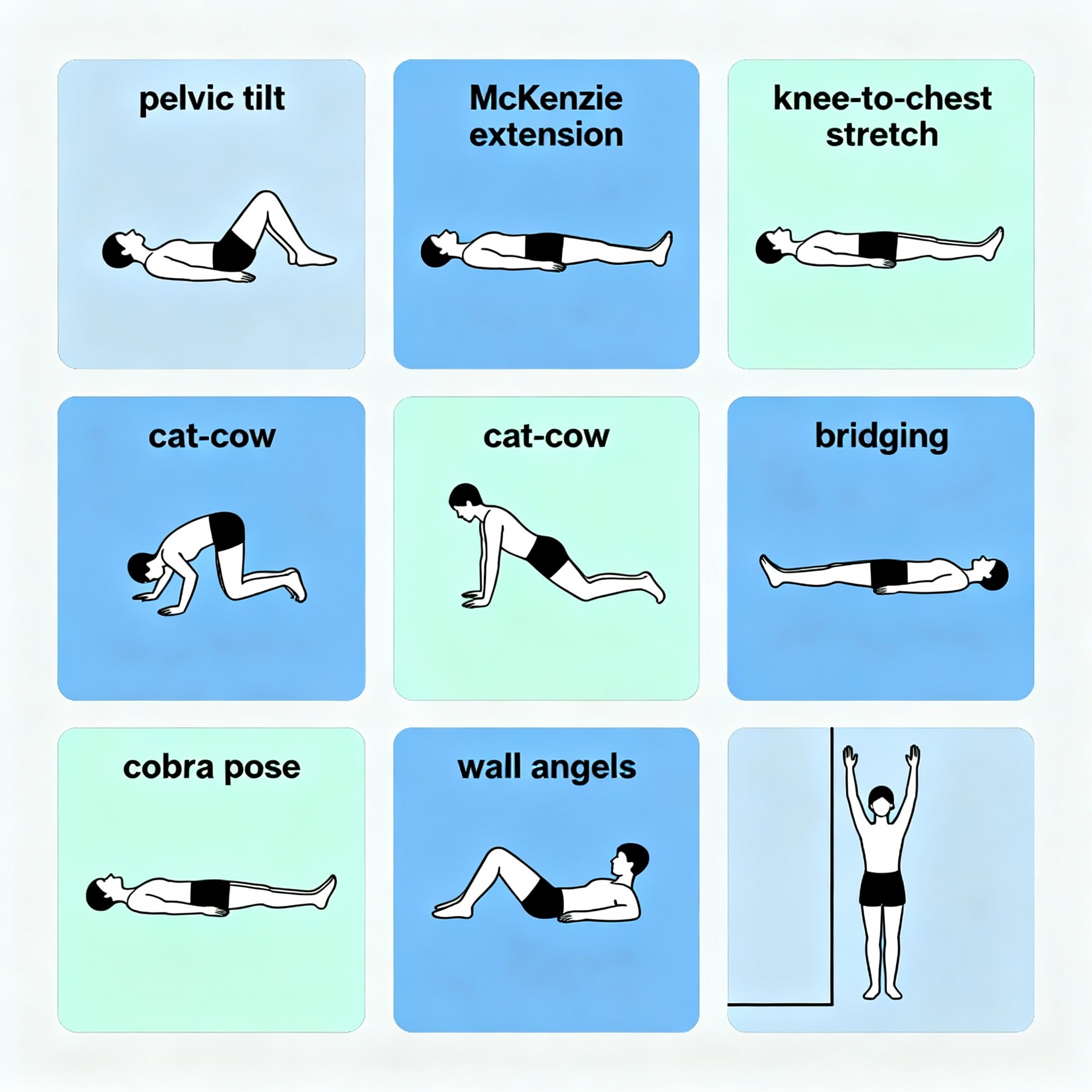
A disc injury could be a source of pain, frustration and can limit your day-to-day actions. If it’s creating painful lower back pain that is sharp as well as numbness and discomfort during sitting, walking or lifting weights, there’s a good chance that physical therapy exercises could make a big impact. Exercises that are done correctly can not only ease pain, but they also increase the flexibility of your spine and help prevent future injuries. Below are seven of the most beneficial physiotherapy exercises to help treat a damaged disc. 1. Pelvic Tilt – Strengthen Your Core Relax on your back and lie down with your knees bent and feet on the floor. Engage your abdominal muscles to tighten them, and then gently push your lower back to the floor. Keep it for 5-10 seconds and then release.This simple move strengthens your core muscles that can support your lower back and ease stress on the disc. 2. McKenzie Extension – Reduce Pressure on the Disc Lie on your stomach, and rest your elbows on your shoulders. Then slowly lift your upper body with your legs to the floor. Do this for several minutes before lying down.This exercise assists in removing the disc from the nerves, relieving the pain and increasing flexibility. 3. Knee-to-Chest Stretch – Ease Lower Back Tension Relax on your stomach and gently move one knee towards your chest, while keeping the other leg bent or straight. For about 15-20 seconds, before switching the sides.This stretch loosens muscles tight within your lower back. It aids in decompressing your spinal region. 4. Cat-Cow Stretch – Improve Flexibility Put your hands on your knees. Then, you can arch your back like a cat, and then lower your stomach in while raising your head up like the head of a cow. Repeat this 10 to 15 repetitions.It’s an easy way to increase spinal flexibility as well as ease stiffness. 5. Bridging Exercise – Strengthen Glutes and Back Lie on your back, with your knees bent. Lift your hips so that your body is in an even line from your knees to your shoulders. Keep it for a couple of minutes and then lower it gradually.Strong glutes and lower back muscles assist the spine and reduce tension on the disc. 6. Cobra Pose – Open Up the Back Lie on your stomach, and rest your palms on your shoulders. Keep your chest elevated while keeping your legs on the ground. Keep it for 10 to 15 minutes.This gentle forward bend relieves nerve pressure and improves posture as time passes. 7. Wall Angels – Improve Posture and Upper Back Strength Sit with your back against an object, with your elbows bent to 90 degrees. Then slowly move your arms upwards and down, like forming a snowman, while maintaining close to your wall.Wall Angels help strengthen the upper back muscles as well as improve posture, while decreasing the stress that will be placed on your spine. Takeaway The recovery process from slipped disc is a process that requires perseverance, persistence, and the right direction. Doing these exercises consistently under the supervision of a professional can ease pain, strengthen your back, and help prevent the possibility of future back pain. The staff at the Gold Medal Physiotherapy, the experts, create programmes to suit your particular condition by combining manual therapy with exercises and expert guidance to aid you in recovering faster and in a safe manner. FAQs Are the exercises in my home for me?Yes, however, you should get a physiotherapist’s help in order to make sure you’re doing the right thing as well as to prevent aggravating your health. What’s the average time for recovery typically take?It is different, however, most patients will see improvements in the course of 6-12 weeks after consistent physiotherapy. Do these exercises work for all discs that have slipped?Not necessarily. The exercises should be adapted based on the area and severity of the disc’s injury. Do I need to use cold or hot water after exercise?Ice can help reduce inflammation in the initial stages. On the other hand, heating relaxes muscles that are tight during recuperation.Does physiotherapy help prevent the occurrence of discs that have slipped discs?Yes. The strengthening of your core, improving the posture of your spine, and also maintaining condition can prevent the recurrence of disc injuries.
The impact of a spinal injury (SCI) could alter your life quickly, affecting mobility as well as sensation and the ability to function. The path to healing might seem overwhelming, but it’s possible to start early and take action. One of the strongest methods to regain control and self-confidence following an injury to the spine is an early period of physical therapy. The first time you begin therapy after stabilisation with medical treatment can make an enormous difference in the restoration of the function of your body, eliminating complications, building strength both physically as well as emotionally. 1. Stopping Problems Before They Begin In the aftermath of a spinal accident, inactivity can lead to a variety of additional issues like the sores of muscle atrophy, muscle stiffness and circulatory issues. Physiotherapy early on can keep these from becoming a problem. By focusing on gentle exercises, guided moves, and the correct positioning, therapists can keep joints elastic, muscles and blood flow. The early treatment lays the foundation for faster and more secure recovery later. 2. The Body can help it reconnect to the Brain The connection between the body and brain makes it difficult for muscles to perform the movements they ought to. The initial physiotherapy focus is on training the neural pathways. Therapists utilise exercises that stimulate neurostimulation, enhance coordination, and gradually return control of movements. This process–called neuroplasticity–allows the nervous system to adapt and relearn, giving the body its best chance at recovery. 3. Keeping the Heart and Lungs Strong If mobility is restricted, the respiratory and cardiovascular functions may decline swiftly. Physiotherapy early on helps to keep these systems in good shape through moderate aerobic exercises, intense breathing exercises and exercise for posture. Invigorating the heart and lungs is not just beneficial for healing, but also improves general energy and endurance, making daily tasks easier when recovery is progressing. 4. Building Confidence and Mental Strength The psychological aspect of recovery is equally important as physical. In the aftermath of a spinal accident, there are many who struggle with fears and frustration or even uncertainty. The physiotherapy program provides a routine that shows visible improvement, as well as an euphoria of achievement. Each small step-up–like sitting or lifting a limb or even standing — brings back confidence. The mix of emotional and physical support helps patients to stay focused and hopeful. 5. Regaining Independence, One Step at a Time The main aim of physiotherapy is the attainment of independence. Initial sessions are designed to assist patients in relearning daily tasks like sitting, balancing and transferring from a chair to bed. As coordination and strength improve and confidence increases, so do the skills for handling daily activities. As time passes, regular therapy could help individuals get back to their work or social lives as well as the leisure hobbies they previously enjoyed. In conclusion The process of obtaining physiotherapy as soon as you’ve suffered a spinal cord injury doesn’t mean just moving around, but also offering yourself the highest possible chance of recovering both physically and emotionally. By utilising professional advice, perseverance, getting back to independence is made easier and more feasible. In the Gold Medal Physiotherapy Expert, professionals are specialised in spinal injury rehabilitation. They provide individualised treatments that are focused on the early healing process, as well as long-term fitness, general health and quality of life. Frequently Asked Questions (FAQs) When should physiotherapy commence following a spinal cord accident?It typically begins when the patient’s health is stable. Sometimes, it can be as little as a few days with a doctor’s supervision. Does early physiotherapy help end paralysis?Full recovery is contingent on the injury’s degree of severity. However, early treatment greatly improves balance, mobility and self-confidence. What can you expect during your initial sessions of physiotherapy?Initial sessions consist of gentle movement as well as breathing exercises, and stretching exercises to reduce stiffness and improve circulation. Do physiotherapy sessions hurt following an injury to the spinal cord?Sessions can be adjusted according in accordance with your personal comfort. Therapists take care to prevent injury while also encouraging safe progress. How long will rehabilitation for a spinal injury take?Recovery is different for every patient; however, consistent physiotherapy — often over several months, or more–will result in the greatest possible results.
The pain in the neck is now an everyday occurrence for a large number of people — particularly those who work many hours in front of their devices or smartphones. One of the main reasons for this rising pain can be cervical spondylosis, which is a condition in which discs and bones in your neck begin to wear away. Although ageing plays an important role, bad posture is usually the primary cause that accelerates the process. How Poor Posture Triggers Neck Pain The neck’s design is to support your head; it weighs 5-6 kilograms, ensuring perfect stability. If you keep your head at a level, in a straight place, everything runs effortlessly. However, when you tilt your head toward the side (like while scrolling through your phone, or leaning forward at work), the neck joints and muscles need to work harder to bear the extra weight. Constant strain on the spinal discs, which in turn causes inflammation to the joints, causing discomfort, inflammation, as well as nerve pain with long periods of inactivity. This is like causing an extremely delicate spring to carry much more than it’s intended to, and it ultimately becomes weaker. Signs That Your Posture Is Causing Cervical Problems If any of these sounds familiar to you, your posture might be straining the cervical spinal column. Simple Ways to Protect Your Neck 1. Set the screen’s height to: Maintain your monitor or smartphone at a level to prevent you from constantly bending your neck. 2. Apply the rule 20-20-20: Every 20 minutes, you should look at 20 feet from you for 20 seconds in order to loosen the neck muscles. 3. Maintain a healthy posture: Keep your shoulders straight and your back in a relaxed position, and place the cushion of a smaller size to assist the lower part of your back. 4. Regularly strengthen your neck: Gentle stretching of the shoulders and neck improves flexibility as well as reduces stiffness. Physical therapists will guide you through an exercise program that is appropriate for you. 5. The best way to sleep is the correct one: Make sure you use a lightweight or ergonomically designed cushion which conforms to the natural curvature that your neck follows. Do not sleep on your stomach since it causes the spine to twist unnaturally. Keep Moving – Don’t Stay Still Too Long The best posture won’t assist if you are stuck fixed in one place all day. Moving your joints keeps them in good shape and your muscles working. Make sure to take short breaks at least every hour. You can roll your shoulders and stretch your arms, or just stand up and walk for just a few minutes. Simple habits can go a long way to helping prevent the pain in your cervical region. Expert Help for Lasting Relief If the pain in your neck persists, you should not put it off. Professional physiotherapists can spot problems with posture and help your body with exercise and lifestyle modifications that are appropriate for your body. In the Gold Medal Physiotherapy, the experts develop customised programs for correcting posture that incorporate modern techniques for therapy, including ergonomics training, as well as strengthening exercises that improve your balance and restore comfort. By taking care and regular awareness, you will be able to keep your neck safe and free of pain. FAQs Does poor posture result in cervical spondylosis?Yes, when you are in poor posture over long periods of time can create extra strain on your neck. This can cause early strain and wear. What can I do to determine whether my posture has a negative impact on the neck?If you experience a feeling of tension, stiffness or pain within your neck or shoulders, your posture could be one of the reasons. Do physiotherapy treatments help to correct the posture of my body?Absolutely. The physiotherapy program strengthens muscles that are weak and helps your body maintain proper alignment. What’s the ideal way to rest your neck for discomfort?Sleeping in a side or back position using a pillow which keeps your neck in alignment with your spine is the best option. What is the time it will take to correct cervical posture?With regular workouts and improved habits of sitting, many patients notice improvement in just a couple of weeks.


Quality Treatment With Super Affordable Price
Call us anytime