


Quality Treatment With Super Affordable Price
Best Physiotherapy Treatment India

Call us anytime
Write a mail
Balance is a complicated interaction of numerous biological systems, and losing balance may substantially influence one’s quality of life. In this blog article, we’ll look at the reasons for balance impairment, risk factors, preventative strategies, and the necessity of obtaining medical care. Furthermore, we will concentrate on affordable physiotherapy therapies that are beneficial in treating and controlling loss of balance. Understanding Loss of Balance Balance loss, also known as balance impairment or unsteadiness, is characterised by trouble maintaining equilibrium, resulting in feelings of instability, lightheadedness, or even falling. Various circumstances, including inner ear issues, muscular weakness, neurological diseases, and eyesight difficulties, can cause it. Common Causes of Loss of Balance Risk Factors for Loss of Balance Age, medical problems, medicines, a history of falls, environmental variables, a sedentary lifestyle, smoking, excessive alcohol use, and poor nutrition can all increase the likelihood of suffering a loss of balance. Preventive Measures Individuals can take many preventive actions to lower the likelihood of balance problems: When to Seek Medical Help Seek medical treatment if you have abrupt or severe onset balance issues, recurring problems falls or near-falls, associated symptoms, pre-existing medical conditions, medication-related concerns, slow advancement of balance issues, or concerns about your safety. Treatment for Loss of Balance The medical therapy for balance loss differs depending on the underlying reason. Medications, surgery, anticoagulants, antiplatelet medicines, and corticosteroids may be administered depending on the disease. Physiotherapy Treatment for Loss of Balance Physiotherapy is vital in treating balance issues. Several strategies may be used, including: Balance loss can substantially impact everyday living, but knowing the reasons, taking preventative measures, and seeking prompt medical and physiotherapy therapies can help control and lessen its consequences. Individuals can recover control of their balance and enhance their general well-being by adopting a comprehensive strategy that combines lifestyle modifications, medical treatment, and physiotherapy. Gold Medal Physiotherapy is a beacon of complete care for people who have lost their balance. Gold Medal Physiotherapy offers stability and greater well-being for every patient by blending sophisticated physiotherapy techniques, personalised exercise regimens, and a dedication to addressing underlying issues. FAQs
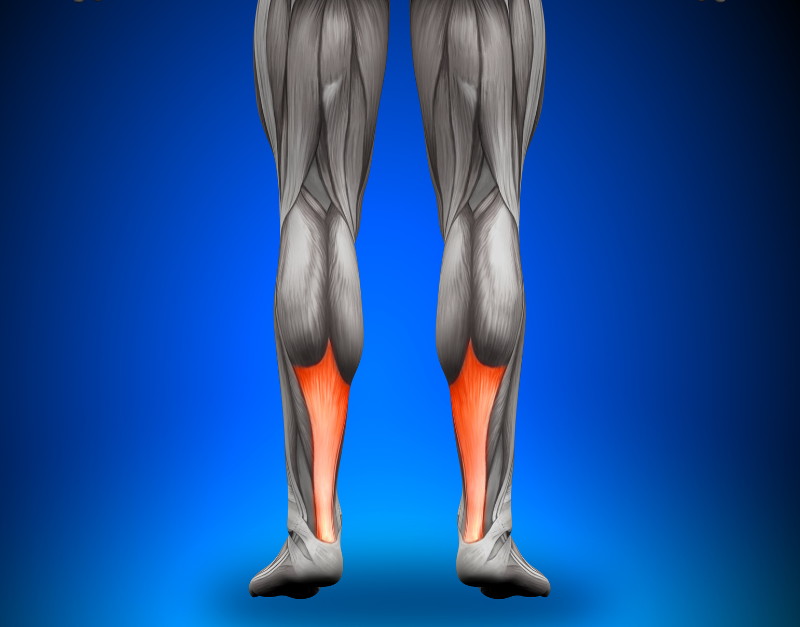
Achilles Tendon Rupture: Causes, Symptoms, Diagnosis, and Effective Treatment Strategies The Achilles tendon, a vital band of tissues linking the calf muscle to the heel bone, is essential for walking and elevation. However, when stretched past its limitations, this tendon is prone to rupture, partly or totally. In this blog article, we’ll look at the signs, symptoms, causes, diagnosis, and treatment options for Achilles tendon rupture, including surgery and non-surgical treatments, as well as the critical function of physiotherapy in the rehabilitation process. Understanding Achilles Tendon Rupture: Achilles tendon rupture causes severe agony, a perceptible crack or snap sound, swelling behind the heel, and the inability to elevate the heel. A complete physical examination is performed, including specialised tests such as the Thompson Test and Matles Test and imaging modalities such as X-ray, ultrasound, and MRI. Causes of Achilles Tendon Rupture: This injury is most prevalent within 6 cm of the tendon’s connection to the heel bone, a location with inadequate blood supply. Common causes include forceful leaping, abrupt running accelerations, falls, and tripping. Middle-aged people who participate in sports like leaping and running are especially vulnerable to Achilles tendon rupture. Diagnosis Methods: To confirm an Achilles tendon rupture, doctors use various diagnostic methods. A thorough evaluation includes the Thompson Test, Matles Test, ATR-score questionnaire, real-time Achilles ultrasonography Thompson test, X-ray, ultrasound, and MRI. These techniques help to determine the degree of the rupture and detect any underlying tendon diseases. Treatment Options: The decision between surgery and non-surgical therapy is influenced by age, activity level, and injury severity. The ruptured tendons are stitched together and occasionally strengthened with extra tendons after surgery. Non-surgical techniques include immobilisation using boots or casts, as well as medicine such as NSAIDs and pain relievers. Patient education is critical, emphasising the necessity of following recommended therapies and refraining from activities that cause discomfort or oedema. Physiotherapy for Achilles Tendon Rupture: Physiotherapy in affordable price is critical in the recovery from Achilles tendon rupture. Immobilisation using boots or casts, cryotherapy to minimise inflammation, ultrasound treatment for early healing, and transcutaneous electrical stimulations (TENS) for efficient suture healing are all components of physiotherapy. A complete physiotherapy regimen includes a range of motion exercises, flexibility exercises, gradual ankle strengthening, balance and proprioception exercises, plyometrics, and aerobic conditioning. These exercises are designed to assist patients in reestablishing standard movement patterns by restoring strength, flexibility, and function to the damaged region. Patient Education for Long-Term Recovery: Patient education is a critical component of Achilles tendon rupture treatment. Patients are advised to avoid painful or swollen workouts and maintain strength and stability exercises even after recovering. Some concerns may last up to a year, and a gradual reintroduction to high-level activity is suggested for best results. Achilles tendon rupture is a problematic condition that needs thorough evaluation and treatment. Physiotherapy is essential for a good recovery, whether surgical or non-surgical therapies are used. Patients can actively engage in rehabilitation by knowing the origins, symptoms, and treatment choices, working towards recovering strength, stability, and functionality in the afflicted region. Remember that patience and consistency are essential to rehabilitation, leading to a triumphant return to regular activities. Gold Medal Physiotherapy is a shining example of thorough Achilles tendon rupture treatment. Gold Medal Physiotherapy assures a gold standard in recovery and rehabilitation by having a complete awareness of the injury’s origins, symptoms, and treatment choices, as well as an emphasis on patient education and personalised physiotherapy regimens. FAQs
Understanding, Diagnosing, and Treating Anterior Cruciate Ligament Tears The anterior cruciate ligament (ACL) is essential for knee joint stability, and a tear in it can be devastating. This blog sheds light on ACL tears and the comprehensive approach to managing this frequent knee injury, including everything from the origins and symptoms to the diagnostic and therapeutic options. Understanding ACL Tears: The ACL is one of two essential ligaments that help to stabilise the knee joint. A robust band of connective tissue and collagenous fibres keeps the tibia from sliding too far forward or backwards around the femur during knee flexion and extension. When this ligament rips, it can cause various symptoms, such as severe pain, swelling, discomfort, and instability. Causes of ACL Tears: ACL tears may occur abruptly and in both contact and non-contact sports. Athletes’ hamstrings can be torn while changing directions fast, cutting or twisting, or landing on one leg in sports like basketball or volleyball. Direct knee hits, sudden stops or slowing down when jogging, and recurring stress on the knee, which results in hyperextension or twisting, are all possible causes. Diagnosing ACL Tears: A correct diagnosis is required for effective therapy. Physical exams, such as the Lachman and anterior drawer tests, can aid in diagnosing knee oedema, discomfort, and general joint function. X-rays rule out bone fractures, but magnetic resonance imaging (MRI) offers comprehensive pictures of soft tissues such as ligaments and tendons. Ultrasound is another method of assessing damage to the knee’s inner tissues. Treatment Options for ACL Tears: The therapy for ACL rips is determined by the degree of the damage. Non-surgical treatment may be considered in less severe situations. Pain and swelling can be treated with anti-inflammatory medicines and steroids. However, before taking any drug, it is critical to speak with a healthcare expert. In more severe situations or for those with knee instability, surgery may be considered. The torn ACL is removed during surgery and replaced with tissue to allow for the formation of a new ligament. ACL surgery is frequently required for athletes or people who have had severe ACL injuries. Physiotherapy for ACL Tears: Physiotherapy is critical in repairing ACL tears, whether after surgery or as a stand-alone treatment in less severe cases. Physiotherapy at affordable price will help you in dealing with the ACL. The following physiotherapy techniques are commonly used for AC: Patient Education: Educating patients on how to avoid re-injury of the ACL is vital. Even after recovery, physiotherapy strengthening exercises should be performed to maximise strength and reduce the risk of future injuries. Anterior cruciate ligament tears are common injuries that can significantly limit a person’s mobility and athletic abilities. Understanding the symptoms, causes, and treatment options, such as physiotherapy, is crucial for effective management and recovery. The goal, whether by surgery or non-surgical measures, is to restore knee stability and function and the patient’s confidence in their ability to engage in everyday activities and sports. Gold Medal Physiotherapy provides a complete treatment plan for anterior cruciate ligament rupture. Their dedication to patient education enables optimal healing and avoidance of future injuries, from precise diagnosis through physical tests and modern imaging to personalised treatment programmes, including surgery and physiotherapy. Select Gold Medal Physiotherapy for superior orthopaedic care. FAQs


Quality Treatment With Super Affordable Price
Call us anytime