

Quality Treatment With Super Affordable Price
Best Physiotherapy Treatment India

Call us anytime
Write a mail
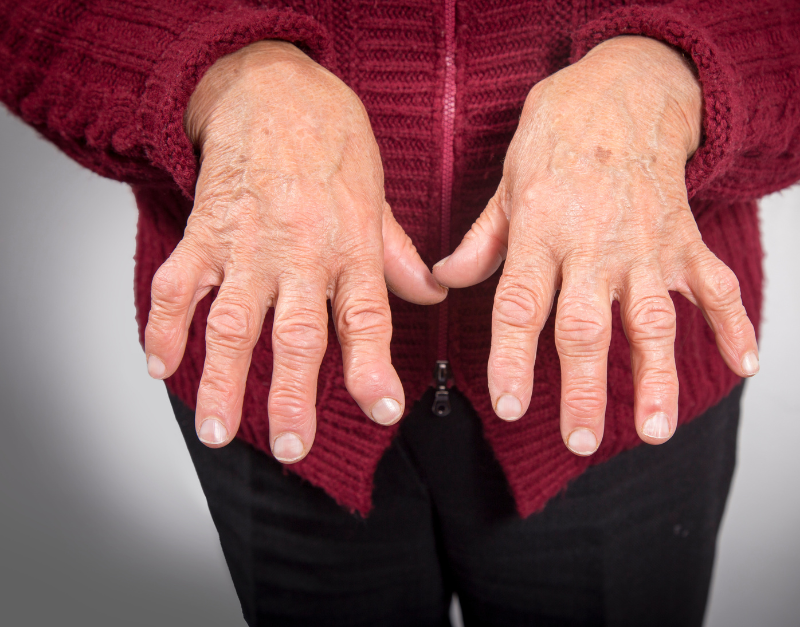
Rheumatoid Arthritis (RA) is a chronic autoimmune disease that can be effectively managed via competent medical advice, self-care, and lifestyle changes. Physiotherapy is integral to this journey, providing a comprehensive approach to pain treatment and improving general well-being. In this detailed guide, we look into the dos and don’ts of RA care and physiotherapy insights. The Role of Physiotherapy in Managing Rheumatoid Arthritis Dos: Seek the advice of a physiotherapist. The first step towards good management is to find a trained physiotherapist. Their experience provides a customised training regimen and continual progress monitoring. Create an Exercise Routine Work with your physiotherapist to develop a regular exercise plan focusing on joint mobility, strength, and flexibility. Low-impact exercises such as swimming, cycling, or mild yoga are ideal. Learn Correct Techniques It is critical to understand the proper approaches for exercises and daily tasks. Physiotherapists can offer vital advice on how to avoid joint tension and damage. Therapy with Heat and Cold Apply heat and cold treatment as directed. These approaches are beneficial in decreasing joint discomfort and inflammation. Assistive Technology Consult your physiotherapist about using assistive equipment such as braces or orthotics. These devices can dramatically reduce joint pressure during regular activities. Don’ts: Don’t Try Too Hard Avoid high-intensity activities without first speaking with your physiotherapist since overexertion can cause flare-ups and more significant discomfort. Prevent Prolonged Inactivity Avoid prolonged periods of inactivity, which can aggravate joint stiffness and lead to muscular weakness. Maintain a healthy mix of rest and movement. Don’t Ignore Pain Never ignore discomfort while exercising or going about your everyday activities. If you are experiencing pain, see your physiotherapist to modify your programme. Extreme temperatures should be avoided. Protect your joints from high temperatures since cold and heat can aggravate RA symptoms. Dress weather-appropriately and employ temperature-appropriate remedies. Keep Physiotherapy Appointments In physiotherapy, consistency is essential. Skipping sessions can hinder growth, so make it a priority to attend appointments. Additional Dos and Don’ts for RA Patients Dos: Medication Administration Adherence to your specified treatment plan, including drugs, is essential. Inform your healthcare provider of any concerns or side effects immediately. Maintain a Healthy Diet Concentrate on a diet high in antioxidants and omega-3 fatty acids while limiting saturated fats. If you want personalised nutritional advice, consult a nutritionist. Manage Stress Incorporate stress-reduction practises into your routine, such as meditation and deep breathing. Take up pastimes that help you relax. Seek Assistance To cope with the emotional obstacles of living with RA, seek emotional support from friends, family, or a therapist. Don’ts: Don’t Ignore Medication Medication consistency is critical. Do not miss doses or discontinue medicine without first consulting your healthcare professional. Avoid Excessive Alcohol Consumption Limit your alcohol consumption since it can interfere with RA drugs and exacerbate inflammation. Don’t Ignore Your Weight Maintain a healthy weight to reduce the pressure on your joints. Don’t Make Comparisons to Others Each RA journey is unique, so instead of comparing yourself to others, concentrate on your improvements and limits. Avoid Ignoring Emotional Health Put your mental and emotional well-being first. Seek professional treatment when dealing with stress, despair, or other emotional issues. Precautionary Measures Infection Control Precautions should be taken to avoid infection. Maintain excellent hygiene, get vaccinated as required, and visit your healthcare professional when a condition is detected. Eye Exams regularly As RA can harm the eyes, schedule frequent eye exams. Early identification and treatment of eye problems is critical. Bone Wellness Take care of your bones since RA and some drugs might raise your risk of osteoporosis. Discuss bone health with your doctor and, if necessary, pursue bone density tests. Preventing Falls Implement fall prevention measures, as RA can impair balance and coordination. Ensure your living place is secure, and consider doing some balancing exercises. Maintain Your Knowledge Update your knowledge about RA and its treatment choices regularly. Medical advances are constantly being made, so remain in touch with your healthcare professional for the most up-to-date information. Adaptive Tools To make daily tasks safer and more doable, consider adopting adapted equipment advised by healthcare specialists. Stress Reduction Stress management should be prioritised since prolonged stress might aggravate RA symptoms. Engage in relaxing hobbies and seek emotional assistance when necessary. Knowledge is power in the path of treating Rheumatoid Arthritis. Individuals can handle the obstacles of RA more effectively if they know about physiotherapy, lifestyle choices, and preventative measures. Remember that while self-education is essential, seeking correct diagnosis and treatment recommendations from healthcare experts is critical to living a whole life despite RA. Gold Medal Physiotherapy will help you in dealing with the RA.
Neurotherapy, or neurofeedback or EEG biofeedback, is a therapy that uses brainwave activity to teach patients how to regulate their brain activity and enhance self-regulation. Neurotherapy employs a computer-based device to map brain waves and non-invasively record electrical activity on the scalp. The mapped brain waves are combined with visual or aural inputs, such as those from a computer game, to retrain the brain. Neurotherapy does not entail the use of drugs, which might have unfavorable side effects. Physiotherapy for neurotherapy can be a good option but make sure you get treatment from the best physiotherapist at home. What Is Neurotherapy? Neurotherapy, or neurofeedback therapy, involves monitoring and changing the electrical impulses produced by the brain’s neurons (nerve cells). These signals, known as EEGs or electroencephalograms, reflect how well the various sections of the brain are operating and are connected to the amount of activity of certain brain regions. Neurotherapy helps people improve their mental capacities by utilizing technology technologies. Neurotechnologies that do not involve medicines change brain function. Most Neurotherapy treatments are non-invasive, painless, and safe when delivered by a skilled practitioner in a clinical environment. Neurotherapy equipment and approaches are subject to change. Because neurotechnology is always evolving and still in the experimental stage, treatments, and approaches constantly change. Although they are generally still in the research and development stage and are regularly used as experimental therapies in clinical settings, neurotherapy has already shown useful for treating several mental and neurological problems. Who Can Use Neurotherapy? Neurotherapy can help people of all ages lessen a variety of difficulties. People looking for a natural alternative to drugs who do not respond adequately to conventional therapeutic methods would benefit from receiving this type of care in addition to psychotherapy, and those interested in enhancing healthy brain activity to improve cognition, reduce stress, and improve attention can benefit from Neurotherapy. Neurotherapy can help cure the following conditions: Neurotherapy may be an extra or alternative treatment for those who do not react to medicines. Neurotherapy is occasionally used to assist singers, entrepreneurs, and athletes perform at their peak. How Does Neurotherapy Work? During neurofeedback training, real-time brain activity is monitored using technological tools such as functional magnetic resonance imaging (fMRI-NF) or electroencephalography. With time and practice, neurofeedback tries to educate patients on self-regulating their brainwave activity. Over time, neurofeedback can “rewire” the brain. Neurofeedback may utilize incentive-based operant training to teach individuals how to regulate certain brainwave patterns by compensating users for creating specified brainwave states on demand. Alpha brain waves, for example, are associated with mental serenity and relaxation, whereas beta brain waves are associated with focus and attention. If lowering anxiety is the aim, Neurotherapy teaches people how to create alpha brain waves on command. To deal with ADHD symptoms, on the other hand, one might practice making beta brainwaves. In neurostimulation therapy, direct electric currents or low-voltage electromagnetic currents are utilized to modify brain activity and stimulate specific brain locations. TMS and DCS are non-invasive neurostimulation procedures above the head that do not puncture the skin. While certain neurotherapeutic stimulation devices require surgery to install, the vast majority are portable and non-invasive. What Are the Types of Neurotherapy? Neurotherapy is divided into two categories: Brain stimulation, according to theory, pulls (or pushes) the brain out of its habitual state or pattern, which may be a “stuck” state or an unhelpful way, and thus allows the brain’s innate potential for self-regulation, self-balancing, or even self-healing to take over. In other words, the stimulation works as a stressor from which the brain attempts to “recover” naturally. The process may mirror different sorts of change; for example, lifting weights at the gym stresses the muscles and causes little injury. The forces self-heal in the following hours and days, perhaps growing harder than before (particularly if the activity is repeated). What Are the Potential Side Effects and Risks of Neurotherapy? Even though the first neurofeedback trials were conducted more than 50 years ago, the legitimacy of various kinds of Neurotherapy is still highly debated. More research must be done to ensure that all modalities of Neurotherapy will consistently deliver favorable effects. The vast majority of neurofeedback techniques are both safe and tolerable. Neurostimulation, on the other hand, is riskier since it changes brain activity through electricity. One of several neuro therapies’ most common side effects is tingling in the scalp, which fades away rapidly after treatment. Be wary of things that make lofty promises or overestimate the use of any direct-to-consumer neurotechnology marketed for home use. Several of these goods might be dangerous. Conclusion: Neurotherapy may one day be regarded as one of the most effective treatments for a wide range of ailments, including mental diseases, neurological abnormalities, and other brain malfunctions, such as sleep disorders. Although Neurotherapy is in its early stages, its future applications may change how society perceives the brain and its problems. Because new neurotechnologies are continually being developed, Neurotherapy is always evolving. Neurotherapy sessions should be carried out with the aid of a competent professional. Speak with a healthcare practitioner if you want to consider neurostimulation. For more details, visit Gold Medal Physiotherapy.
Do cold temperatures induce sluggish in your body, achy joints that make moving difficult? It’s not all in your head. People who have arthritis, rheumatoid arthritis, lupus, or fibromyalgia frequently say that as the temperature drops, their joint pain worsens. True, cold weather causes muscles of the body to tighten, contributing to decreased joint mobility and flexibility. Some research has also linked joint discomfort to variations in barometric pressure. These modifications can cause tendons, muscles, and surrounding tissue to enlarge, resulting in reduced mobility, stiffness, and pain. However, while the specific explanation is unknown, the truth remains that the weather-related joint discomfort that some people experience is authentic. If you suffer from stiff, achy joints throughout the winter, Gold Medal Physiotherapy’s five ideas can help you find comfort till we can finally welcome spring. Keep your body temperature consistent. When going out, dress in layers and protect regions prone to flare-ups. Prefer hot and thermal knickers for your hips and knees and insulated gloves for your hands and fingers. Don’t forget to wear warm boots with excellent tread to prevent falls. Wear slippers, use an electric blanket, and even take a nice bath to stay warm and cosy at home. Warm water can help relieve hurting joints and the muscles that surround them. Keep moving Regular exercise increases muscle and bone strength, which helps to protect your joints. It also improves mobility by keeping your joints and muscles from stiffening up. Unfortunately, inactivity decreases range of motion and increases joint pain. Yoga, swimming, and riding an exercise bike are all excellent low-impact activities. If you work outside, dress correctly and stretch afterwards. Maintain your weight The holidays may lead to numerous excesses, and when it’s chilly and windy outdoors, the sofa and warm blanket call. When you combine these circumstances, you get weight growth. Even a little weight increase of five pounds puts additional strain on already ailing joints. To avoid weight gain and enhance joint health, consume a well-balanced diet of fruits and vegetables and lean meats. It helps you lose weight and guarantees your joints get the vitamins and minerals they require to stay healthy and warm as well. If you have achy joints, consider foods with anti-inflammatory characteristics, such as to help relieve discomfort. Furthermore, avoid unhealthy options like processed meals, which can trigger inflammation. Stay hydrated Hydration is critical, particularly during the dry winter months as we reduce the amount of water in the winter. Make peace with that just because you aren’t hot and sweating does not imply you aren’t losing fluids. Dry air can induce moisture loss via your skin and breathing. Dehydration can make you more sensitive to aches and pains which can went severe as well, decrease joint fluid and lubrication, and trigger muscle cramps. Drink lots of fluids, such as water, naturally flavoured water, or fruit juice. Warm soup or flavoured drinks can also keep you hydrated. Be proactive If you begin to have joint discomfort, use heated pads to assist in relaxing your muscles. Just be cautious and avoid using heating pads for an extended period since this might result in harm or burns. To alleviate your symptoms, you can also take pain medicines or anti-inflammatories as they can help at the initial stage. Consult your doctor about the best pain medicines for you and your situation. Winter temperatures are a given, especially in Gurgaon. However, you can do things to decrease the discomfort caused by the cold and keep you active throughout the season. If you’re struggling with chronic joint pain and swelling, contact Gold Medal Physiotherapy or schedule an appointment online.


Quality Treatment With Super Affordable Price
Call us anytime