


Quality Treatment With Super Affordable Price
Best Physiotherapy Treatment India

Call us anytime
Write a mail
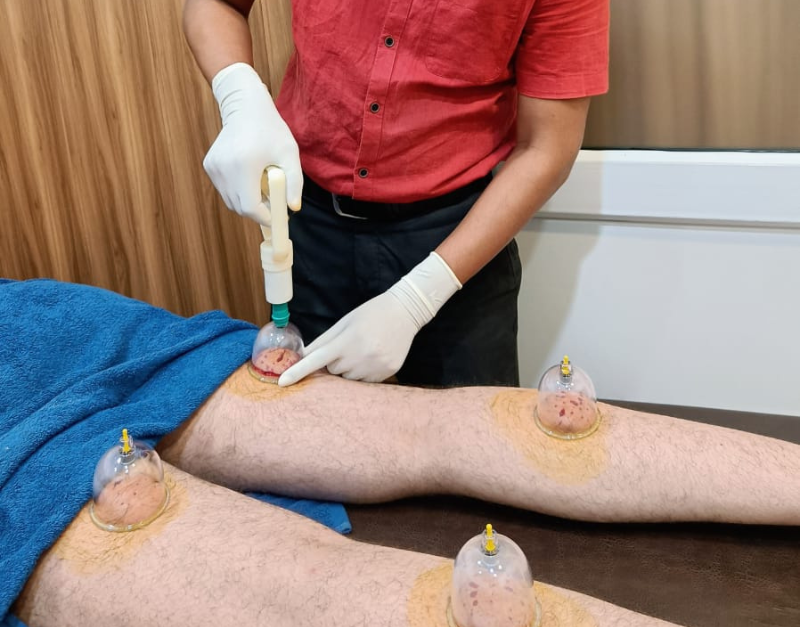
What Is Cupping Therapy? How Is It Useful For You? When you are nervous, tense, or experiencing muscle pains, think about getting a massage, taking a hot bath, stretching, or attempting deep breathing or meditation. However, a therapy trend known as cupping is being used by some people. You might recall the lean Michael Phelps entering the pool at the 2016 Olympic Games with red circles on his back and shoulders that, dare I say it, looked like hickeys if you follow sports, particularly Olympic swimming. The cupping therapy method is frequently used by professional athletes and even famous people like The Rock and Justin Bieber, but does it work and, more importantly, is it safe? Are you considering cupping therapy in Gurgaon? Here, we look at what it is, how it works, and its advantages and disadvantages. What is cupping therapy? To lessen pain, some people use cupping therapy, an ancient healing technique. A provider might put cups on your back, stomach, arms, legs, or other parts of your body. An internal vacuum or suction force pulls your skin upward. Cupping therapy is a component of traditional medicine with origins in China and West Asia. People have been using cupping therapy method for thousands of years. Cupping therapy is also known as suction cup therapy, cup therapy, and cupping. How does the cupping therapy function? To create suction, cups made of glass, plastic, bamboo, or ceramic are applied to the skin during cupping, according to the National Center for Complementary and Integrative Health (NCCIH). The back, shoulders, stomach, and legs are just a few examples of muscle groups to which it is simple to attach the cups. The suction that develops as the skin is drawn into the cups “creates a negative pressure environment that permits myofascial decompression.” Contrary to massage therapy, which applies direct pressure to relieve tension, cupping lifts the muscle fibres and increases blood flow to the area. Wet cupping and dry cupping are two distinct cupping methods. The two forms of cupping are static and dynamic. Dry cupping draws the skin tissue inside the cup using a pumping method. The subcutaneous tissue, or the bottom layer of your skin, is drawn into the cups and kept there for a brief period (5 to 15 minutes), depending on the procedure. Dry cupping techniques can involve cups that move across the skin or remain still, giving rise to “dynamic cupping” and “stagnant cupping,” respectively. However, wet cupping takes things a step further. Light suction is applied, the cup is removed, and a small skin cut is made with a scalpel. Then doctors use a second suction to remove a small amount of blood. Is cupping painful? If done by a trained expert, cupping should not hurt. It could cause transient bruising (also called ecchymosis), swelling, or soreness, depending on the patient or the extent of the treatment. Usually, a few days or a week passes before the stains left behind disappear. Some users have reported feeling lightheaded or dizzy, as well as flu-like symptoms like nausea and body aches. What benefits and drawbacks does cupping offer? There is not much support for cupping’s potential to reduce pain. A little high-quality clinical research or evidence supports the claims that cupping decreases pain, muscle tightness and inflammation, improves blood flow (circulation), and expands the range of motion. Although there are not many risks connected to cupping, you should know that it can aggravate eczema or psoriasis and leave those hickey-like bruises on your skin. There is also a minuscule possibility of skin infection, mainly when wet cupping is employed. Is cupping therapy right for me? Even though it is believed to be safe, cupping is only for some. Anyone with a pacemaker, liver, kidney, or heart failure should avoid it. It also cannot be used if you have a heart condition, haemophilia, anaemia, or any other blood disorder or if you take blood thinners. It has been recommended to avoid cupping to the abdomen and lower back if pregnant. Cupping should not be done if there is a possibility of an infection or an open wound. Why Choose Goldmedal During cupping, a complementary medicine, cups create suction on your skin. Because it helps with conditions like chronic pain, inflammation, and other issues, athletes and famous people vouch for the practice. There needs to be more reliable data or high-calibre research to support the benefits of cupping. Even though it is usually okay, not everyone should drink. Before making an appointment, ask your doctor if you are a candidate for cupping therapy. To find a Gold Medal Physiotherapist near you, visit goldmedalphysiotherapy.com.
Hijama – Benefits of The Most Used Cupping Method Hijama Therapy in Gurgaon, also known as hijama cupping, is a traditional healing technique employed for many years to treat various medical conditions. To draw toxins and hasten healing, a vacuum is applied to the skin using tiny glass cups. The benefits of hijama therapy are discussed in this blog post from both traditional and modern medical perspectives. Hijama Therapy: How Does It Work? To create a vacuum on specific body points, hijama therapy places nine to eleven plastic cups on either side of the neck, shoulder blades, and spine. Under the cups, skin cuts are made, and by sucking on the cups, a vacuum is produced. The body heals by removing toxins when the vacuum removes blood and other fluids from the skin. From a traditional medical standpoint, wearing a hijama is thought to balance the body’s touches of humour, improve blood flow, and strengthen the immune system. Recent research has demonstrated that donning a hijama can increase the relaxation response by causing the body’s natural painkillers, endorphins, to be released. The Health Advantages of Hijama Therapy for Women Hijama therapy may be especially beneficial for women’s health. It addresses menstrual irregularities, fertility problems, and symptoms of menopause. Hijama therapy can treat menstrual problems like heavy, painful, and unpredictable bleeding. It can treat other typical menstrual symptoms, lessen cramping, and help someone control their menstrual cycle. Hijama therapy can treat infertility, endometriosis, and polycystic ovary syndrome (PCOS). Wearing a hijama may positively affect hormone regulation, blood flow, and egg quality and quantity. Hijama therapy can help with menopause symptoms like hot flashes, night sweats, and mood swings. Osteoporosis risk, as well as other common menopause-related health issues, may be reduced. Hijama Therapy’s Benefits for Mental Health Hijama therapy positively affects physical and mental health by reducing stress, anxiety, and depression. Hijama therapy, according to conventional medicine, can help to balance the body’s energy and improve mental health by promoting relaxation and letting go of negative emotions. It has been demonstrated that hijama therapy reduces stress, anxiety, and depression by promoting the release of endorphins and other feel-good hormones. Medical studies have demonstrated the efficacy of hijama therapy in treating post-traumatic stress disorder (PTSD). The effects of anxiety, nightmares, and flashbacks may also be reduced or eliminated. Wearing a hijama can also improve a person with PTSD’s general health and quality of life. Hijama Therapy’s Advantages for Sports Injuries With a hijama, many sports injury symptoms can be successfully treated. Hijama benefit athletes by reducing pain, hastening recovery time, and improving overall performance. Hijama therapy helps treat more severe injuries like fractures, dislocations, sprains, strains, and tendonitis by easing pain and muscle tension. Athletes can benefit from regular hijama therapy by becoming more potent, more flexible, and better able to move through their range of motion. It can also improve overall athletic performance and aid in injury avoidance. Locating a Hijama Therapist in Gurgaon Go to Physiotherapy in Gurgaon to learn more about the benefits of hijama therapy, as it is the most reputable facility. Both male and female professionals with years of experience in Hijama therapy can be found at Gold Medal Physiotherapy. Each hijama/wet cupping therapist is exceptionally skilled, qualified, has passed internationally accredited courses, and has a thorough understanding of various medical conditions. Hijama therapy is a time-honoured healing technique used to address various health problems. For those seeking relief from emotional stress, physical pain, or sports injuries, hijama therapy can offer a safe and effective option. We want to motivate you to educate yourself on the advantages of hijama therapy. Anytime is a good time to give us a call or schedule a visit with Gold Medal Physiotherapy Wet Cupping therapist.
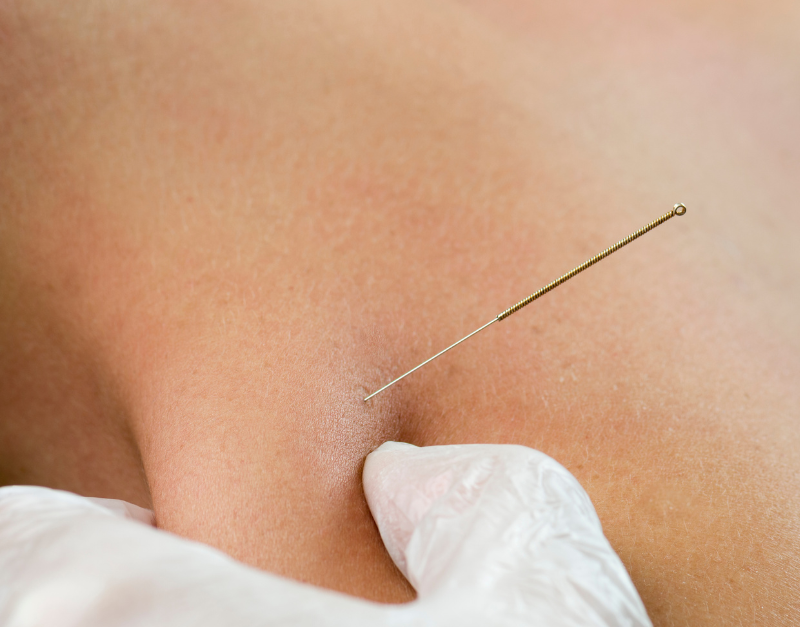
Does Dry Needling/Acupuncture Effective For You? Physical therapy using dry needling, effective in treating several musculoskeletal conditions, is becoming increasingly popular. Tiny needles are inserted into knots or trigger points in muscles and connective tissue to relieve pain and enhance function. A study in the Journal of Orthopaedic & Sports Physical Therapy found that dry needling helped patients with knee osteoarthritis feel more comfortable and functional. The research also revealed that the effects of dry needling remained at least four weeks after treatment. DRY NEEDLING VS ACUPUNCTURE Small, subcutaneously inserted stainless steel needles are used in acupuncture and dry needling to treat pain. But they differ from one another, have different purposes, and provide different advantages. While dry needling is a form of Western medicine influenced by a contemporary understanding of science and the human body, acupuncture has its roots in traditional Chinese medicine. WHO PERFORMS DRY NEEDLING? The best option is to locate physical therapists trained in dry-needling techniques. These medical professionals can safely and effectively place needles to maximize potential benefits because they thoroughly understand the neurological and musculoskeletal systems. Physical therapists must adhere to insurance policies and other medical regulations, unlike other dry-needling practitioners who may not have to. DRY NEEDLING AND PHYSICAL THERAPY Treatment in Gurgaon Dry needling is most effective with a more comprehensive treatment strategy that includes active aerobic and resistance exercise interventions. A patient’s range of motion may be improved by dry needling, enabling them to move more easily and hastening their recovery. COMMON TECHNIQUES FOR DRY NEEDLING Needles are typically only left in the skin during dry needling therapy for brief periods. Depending on the provider, the time frame may change. IN AND OUT TECHNIQUE The speed at which the needle is inserted and removed determines how well this dry-needling method—also known as pistoning or sparrow pecking—works. The needle stimulates the trigger point for a brief period before being removed. NON-TRIGGER POINT TECHNIQUE Some techniques center on the central and peripheral nervous systems. This method allows for the insertion of needles both into the painful area and its surroundings. The placement of the needles along nerve pathways may enhance the body’s capacity to control pain because nerves are responsible for transmitting pain. PROS OF DRY NEEDLING Understanding how a medical procedure works and any potential risks or positive effects is crucial before starting any medical procedure. Always have a medical professional present during this conversation, such as your doctor or physical therapist. The good news is that many potential advantages outweigh the few risks of dry needling therapy. PROS Dry needling is most frequently used to treat mild to moderate pain, stiffness, or muscle spasms. It is the best treatment for sports injuries, muscle pain, and chronic conditions like fibromyalgia because many patients report improved flexibility and range of motion after the procedure. Exercise should be done in addition to dry needling; dry needling should not be done alone. Less Invasive Even though needles are frightening, the fact that nothing is injected into your body when they are dry reduces the risk of allergic reactions or other complications. You might be able to avoid surgery and other invasive procedures with the help of these tiny needles, exercise, and dietary adjustments. Fast Recovery Dry needling does not need as long of a recovery period as other invasive treatment methods. Most people feel a brief sense of relief following a session. After the brief sessions, people frequently work out. DRY NEEDLING SESSION A session that involves movement will also include dry needling. Depending on your condition and the session’s objectives, the needling portion of the treatment session may begin, continue, or end. Before beginning the procedure, your physical therapist will review the technique, the location, and the number of needles used. Depending on your comfort level and the treatment’s objectives, they may begin by focusing on a small body area before moving on to deeper tissues in different body regions. Dry needles are smaller than blood-drawing needles and are about the size of a hair follicle, so inserting them will be less painful. After the initial poke, the muscle might twitch, and you might experience a dull ache or a cramp. These sensations can be light to intense, like a deep tissue massage. It usually settles after 15 to 30 seconds. Over the following few days, you might also experience some soreness or ache similar to the soreness you get after working out. You are advised to continue active on the days following a dry needling procedure. IS DRY NEEDLING RIGHT FOR YOU? Various conditions, such as muscle strains, tendon pain, carpal tunnel syndrome, frozen shoulder, muscle spasms, TMJ dysfunction, and many others, can be treated with dry needling therapy. Many of our patients receive pain relief from the secure practice of dry needling. So you should visit Gold Medal Physiotherapy for more details about Dry needling/acupuncture.


Quality Treatment With Super Affordable Price
Call us anytime