



Quality Treatment With Super Affordable Price
Best Physiotherapy Treatment India

Call us anytime
Write a mail
Depression is a common mental health issue that affects millions of individuals throughout the world. Depression, which is characterized by overwhelming sorrow, helplessness, and hopelessness, can have a significant influence on daily activities and overall well-being. While traditional therapies frequently focus on psychological interventions and medication, the significance of physiotherapy in addressing physical symptoms of depression is becoming more recognized. In this blog article, we will look at the relationship between depression and physical health, as well as how physiotherapy at home may provide a comprehensive approach to symptom relief and overall quality of life. Understanding Depression Depression can take many different forms, ranging from moderate to severe, and can last for weeks or even months. Common symptoms include fatigue, impatience, tearfulness, and a lack of interest in formerly pleasant activities. Furthermore, physical symptoms such as headaches, backaches, weight changes, and sleep difficulties frequently accompany the emotional toll of sadness. It is critical to identify the causes of depression since stressful life events, genetic predisposition, drug misuse, or a combination of factors can cause it. Physiotherapy’s Role in Depression Treatment Recognizing the multidimensional nature of depression, Gold Medal Physiotherapy has created a specialized technique to address its physical elements. Gold Medal Physiotherapy’s expert physiotherapists strive to improve not only physical well-being but also the whole quality of life for persons suffering from depression. Benefits of Physiotherapy for Depression Physiotherapy uses planned exercise programs to enhance energy levels and improve physical fitness. Exercise causes the release of serotonin, a neurotransmitter involved in mood control. Individuals suffering from depression can enhance their mood and overall well-being by adding exercise to their treatment strategy. Depression frequently appears physically, with typical complaints including muscular tightness and discomfort. Physiotherapy uses joint mobilization and stretching techniques to relieve stiffness, reduce joint and muscle discomfort, and increase general relaxation. Sleep problems are a common sign of depression. To assist people in attaining improved sleep quality, physiotherapists use relaxation techniques such as breathing control and postures of comfort. Better sleep habits contribute to improved mental health and general resilience. Depression can affect posture, causing slouching or other unfavorable situations. Physiotherapy at affordable price treats posture problems with specific exercises and treatments that promote improved alignment and reduce pain. Depression frequently saps motivation and undermines self-esteem. Physiotherapy therapies boost motivation by introducing pleasurable and doable physical activities into the treatment regimen. Individuals’ self-esteem naturally rises as their physical well-being improves. Physiotherapists seek to maximize an individual’s physical potential, allowing them to engage in social activities more thoroughly. Individuals suffering from depression can reconnect with the things and people that offer them joy by restoring confidence in their physical skills. Physiotherapy Treatment Modalities Physiotherapy treatment for depression may include: Depression is a complicated disorder that needs a thorough and interdisciplinary approach to therapy to be effective. With its emphasis on relieving physical problems and fostering general well-being, physiotherapy is an excellent complement to established treatment approaches. The staff at Gold Medal Physiotherapy is committed to giving those suffering from depression personalized therapy, assisting them in regaining control of their physical and emotional health. Recognizing the interdependence of the mind and body, physiotherapy emerges as a comprehensive approach to empowering individuals on their path to depression recovery. FAQs
Unlocking Relief: Understanding, Diagnosing, and Treating Headaches Headaches are an omnipresent ailment, affecting millions worldwide with their throbbing, pulsating, or constant pain in the head or neck. These bouts of discomfort come in various forms, each unique in its symptoms and causes. Understanding the type of headache is crucial for effective treatment and management. Types of Headaches Diagnosis of Headaches Diagnosing the root cause of headaches is critical in developing an effective treatment plan. Medical professionals utilize various diagnostic methods: Physiotherapy Treatment for Headaches at Affordable Cost Physiotherapy at affordable price range offers a holistic approach to managing headaches addressing symptoms and underlying causes. Various techniques are employed: Patient Education In addition to providing hands-on treatment, physiotherapists play a crucial role in educating patients on headache prevention and management. This includes identifying triggers, stress management techniques, and lifestyle modifications. Recommendations : Moreover, physiotherapists assess and address postural abnormalities or ergonomic factors contributing to headaches. Education on maintaining proper posture during activities such as sitting, working at a computer, and lifting heavy objects minimizes strain on the neck and upper back muscles. The comprehensive physiotherapy at home approach offers relief from the immediate symptoms of headaches and equips individuals with the knowledge and tools to manage and prevent future episodes. By understanding the diverse nature of headaches and embracing tailored physiotherapy interventions, individuals can unlock a path to long-term headache relief and improved overall well-being. Visit Gold Medal Physiotherapy to know more about the headaches and its treatment. FAQs
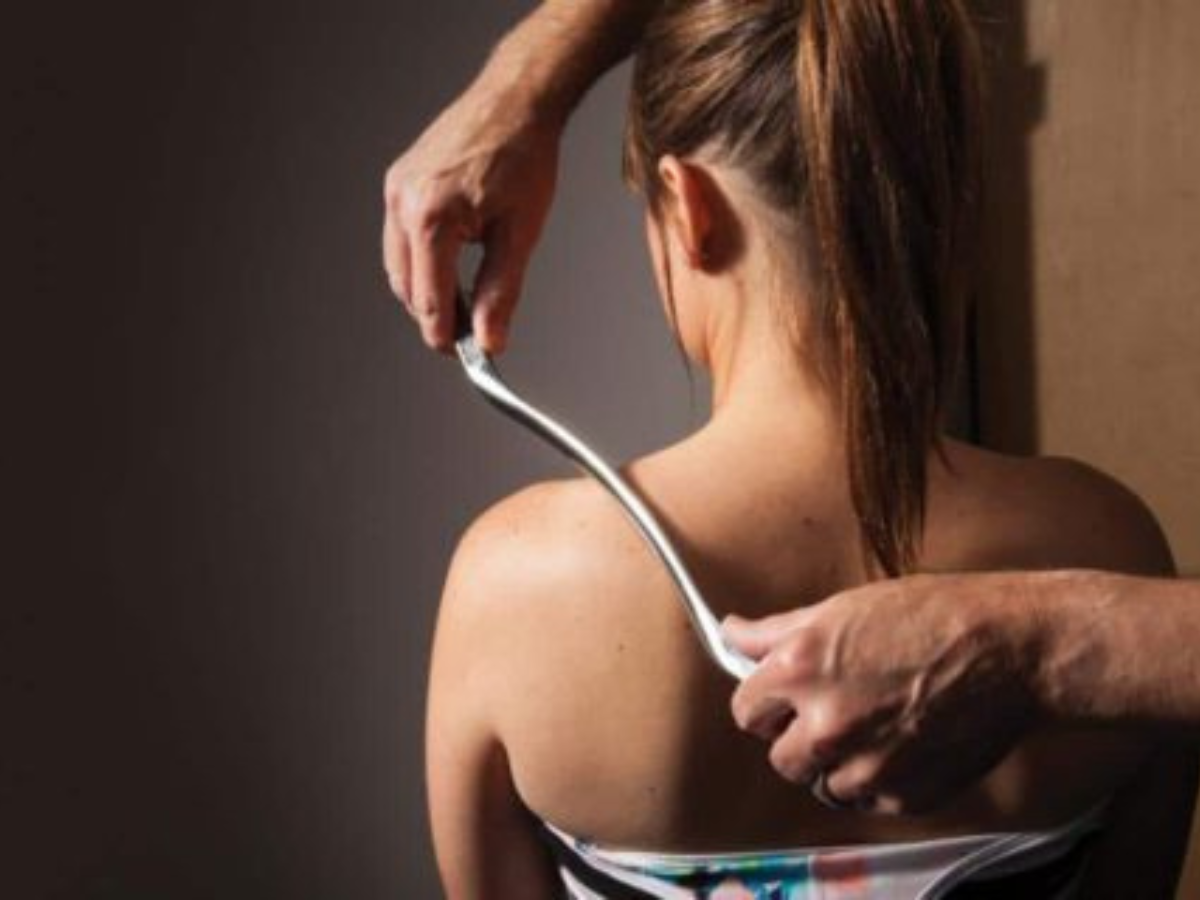
A Comprehensive Guide to the Graston Technique The field of manual therapy is vast, with several ways of pain relief and function enhancement. Among these is the Graston Technique, a soft-tissue instrument-assisted mobilization technique used by practitioners ranging from chiropractors to physical therapists. In this blog article, we’ll dig into the complexities of this therapy, investigating its aims, advantages, instruments, and overall treatment procedure. Understanding the Graston Technique: A Brief Overview The Graston Technique entails using specialized devices for massage and skin scraping to identify and break down scar tissue while providing a better healing environment for wounded soft tissues. This procedure is used by chiropractors, osteopathic doctors, and physical therapists to treat soft-tissue problems such as muscle strains, ligament pulls, and fascia limitations. Goals of the Graston Technique The Graston Technique’s primary goals are to relieve pain and improve function by: Potential Benefits of Graston Therapy Muscle, fascia, ligament, and tendon injuries can result in substantial discomfort and disability.You can deal with Graston by using the physiotherapy at genuine price. The Graston Technique has various benefits: How the Graston Technique Works: Tools and Massage The Graston Technique uses six core stainless-steel instruments with concave, convex shapes and rounded edges. These devices scan for and detect damaged fibrotic tissue, allowing practitioners to locate and treat afflicted regions. The therapy consists of a one-of-a-kind cross-friction massage that uses controlled trauma to boost blood flow and start the healing process. Clinical Data on the Graston Technique – Physiotherapy at home While there are few peer-reviewed studies on lower back Pain and neck pain alleviation, available data indicates a high success rate for chronic and acute pain from soft tissue injuries. To perform the Graston Technique efficiently, chiropractors, osteopathic doctors, and physical therapists undergo intensive training. Graston Technique Treatment in Gurgaon: What to Expect Patients often have 1 to 10 sessions spread out over several weeks, with no pain. Cardiovascular exercise is advised before therapy, and ultrasound or heat treatment may be used. Patients may feel discomfort or bruising after treatment, although anecdotal evidence suggests a more excellent range of motion and decreased pain. Graston Technique Providers and Training The Graston Technique has been taught to over 16,000 practitioners worldwide, including chiropractors, osteopathic doctors, physical and occupational therapists, and athletic trainers. The training consists of two modules addressing global and condition-specific strategies. The approach is taught in advanced degree programs at many institutions, and it is used for athlete care by many professional sports organizations, including the United States Olympic team. Indications and Contraindications The Graston Technique is effective in treating acute and chronic problems such as lower back muscular tension, Achilles tendinosis, carpal tunnel syndrome, and others. Contraindications must be considered since the procedure may not be appropriate for those who have open wounds, high blood pressure, cancer, pregnancy, unhealed fractures, or particular renal problems. With its specialized equipment and massage methods, the Graston Technique provides a novel and promising approach to soft-tissue problems. While further study is needed, anecdotal data and training programs indicate that it is becoming increasingly popular among healthcare practitioners looking for effective manual treatment choices. Individuals should contact experienced practitioners, as with any medical treatment, to establish the appropriateness of the Graston Technique for their unique issues. Gold Medal Physiotherapy will help you in dealing with the Graston, connect with our experts now. FAQs


Quality Treatment With Super Affordable Price
Call us anytime